







What's Happening?
Amentum is actively recruiting Biometrics (Fingerprint) Technicians for an on-call position in Bartlett, Tennessee, to support the United States Citizenship & Immigration Services (USCIS) Application Support Center (ASC) operations. This role is crucial
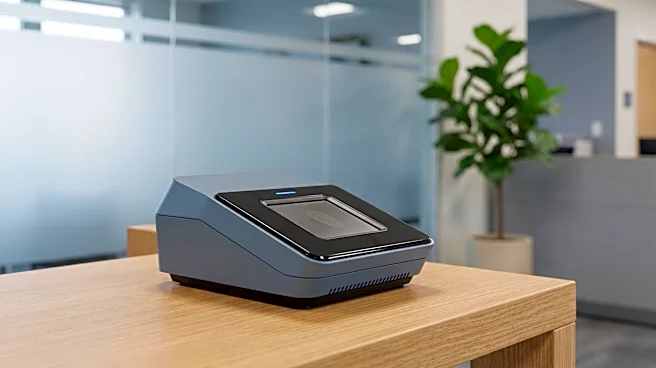
for administering the nation's lawful immigration system. Biometric Technicians are responsible for completing biometrics registration for applicants seeking legal immigration to the United States, which includes capturing electronic fingerprints, photographs, and signatures within established program-wide processing times. Additionally, technicians provide front-line customer service, manage crowd control, and ensure the security of the facility by screening applicants and their belongings. The position requires adherence to strict protocols, including safeguarding Personal Identifiable Information (PII) and maintaining a safe and organized environment. Amentum provides all necessary job training for qualified candidates, emphasizing the importance of customer service and the ability to work with the public in a high-paced environment.
Why It's Important?
This recruitment drive by Amentum for Biometrics Technicians in Tennessee is vital for the efficient functioning of the U.S. immigration system. The accurate and timely collection of biometric data, such as fingerprints and photographs, is a cornerstone of national security and identity verification processes for individuals seeking legal immigration. These technicians play a direct role in ensuring the integrity of the immigration system by verifying applicant identities and preventing fraud. Their work contributes to the broader efforts of the USCIS to process applications effectively and maintain secure borders. The emphasis on safeguarding PII highlights the critical importance of data privacy within government operations, impacting public trust and compliance with federal regulations. The availability of trained personnel in locations like Bartlett, Tennessee, ensures that essential immigration services remain accessible and operational, directly affecting individuals and families navigating the immigration process.
What's Next?
The ongoing need for Biometrics Technicians suggests a continued demand for personnel to support USCIS operations across the United States. Amentum's recruitment efforts indicate a sustained commitment to maintaining the efficiency and security of the immigration system. Future developments may include further technological advancements in biometric data collection and processing, potentially requiring updated training and skill sets for technicians. The role also highlights the continuous balance between facilitating legal immigration and upholding national security standards. As immigration policies evolve, the responsibilities and protocols for biometric technicians may also adapt. The success of these recruitment initiatives will directly impact the processing times for immigration applications and the overall effectiveness of the USCIS in fulfilling its mission. The focus on customer service also points to an ongoing effort to improve the experience for applicants interacting with government services.
Beyond the Headlines
The role of Biometrics Technicians, while seemingly administrative, touches upon deeper societal and ethical considerations within the U.S. immigration framework. The collection of biometric data, particularly for immigration purposes, raises questions about privacy, surveillance, and the rights of individuals. The process of fingerprinting and photographing applicants is a critical step in establishing identity, but it also contributes to large government databases, prompting discussions about data retention, access, and potential misuse. The requirement for U.S. citizenship for facility credentials underscores national security concerns and the sensitive nature of the information handled. Furthermore, the interaction between technicians and applicants, often from diverse cultural backgrounds, highlights the importance of cultural sensitivity and effective communication in government services. This role is a microcosm of the broader challenges and complexities inherent in managing a secure and equitable immigration system in a democratic society.