



What's Happening?
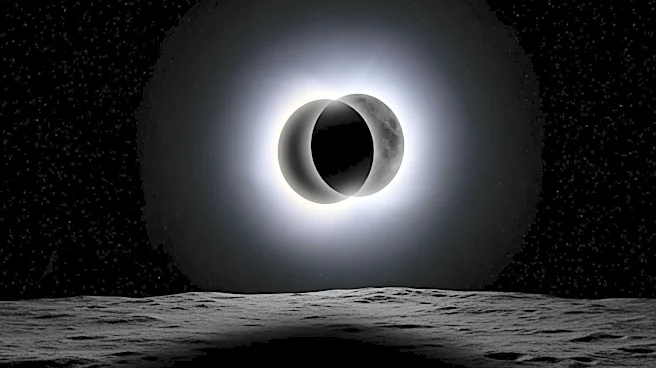
The Artemis 2 astronauts are set to witness a rare solar eclipse from beyond the moon as they conduct a flyby that will break humanity's all-time distance record. The eclipse, visible only to the Artemis 2 crew, will last about 53 minutes, significantly
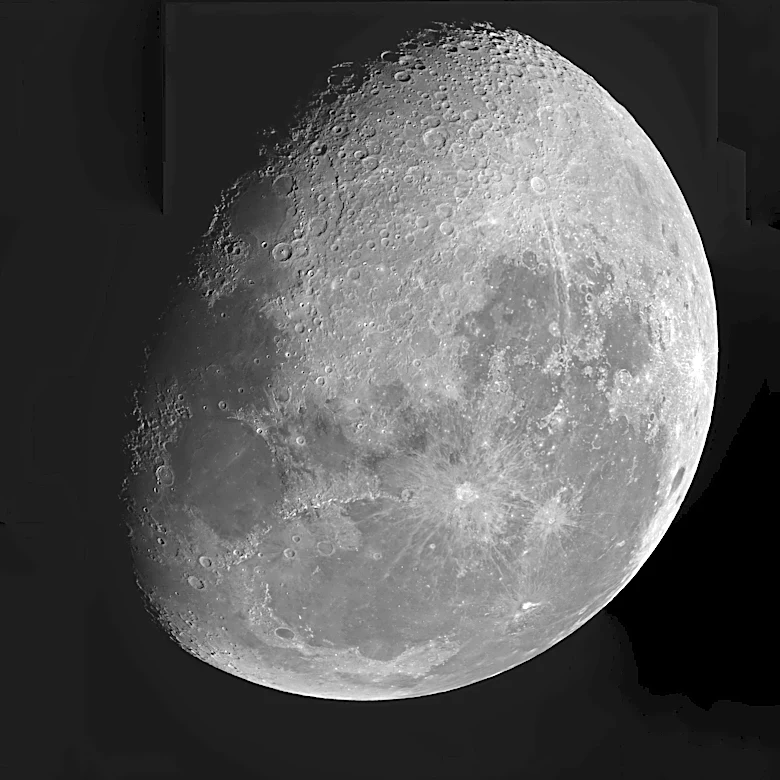
longer than eclipses seen from Earth. This event provides a unique opportunity for the crew to study the sun's corona, which is usually obscured by the solar disk's glare. The crew, consisting of NASA astronauts Reid Wiseman, Victor Glover, Christina Koch, and Canadian astronaut Jeremy Hansen, will also conduct observations of the moon's surface during their mission.
Why It's Important?
This rare observation opportunity allows scientists to study the sun's corona in detail, enhancing understanding of solar processes. The Artemis 2 mission is part of NASA's broader effort to return humans to the moon and establish a sustainable presence. The data collected during this mission will inform future lunar exploration and contribute to scientific knowledge of both the moon and the sun. The mission also demonstrates the capabilities of the Orion spacecraft and the potential for human exploration beyond Earth's orbit.
What's Next?
Following the solar eclipse observation, the Artemis 2 crew will continue their mission by conducting a lunar flyby and capturing images of the moon's surface. The mission will conclude with the crew's return to Earth, setting the stage for future Artemis missions aimed at landing astronauts on the lunar surface. The success of Artemis 2 will provide valuable insights and data that will inform the planning and execution of subsequent missions in NASA's Artemis program.