


What's Happening?
Ukraine is proposing to share its expertise in sea-lane defense with Gulf Cooperation Council (GCC) states to help address the ongoing closure of the Strait of Hormuz. President Volodymyr Zelensky announced that Ukraine's battle-tested system, which has
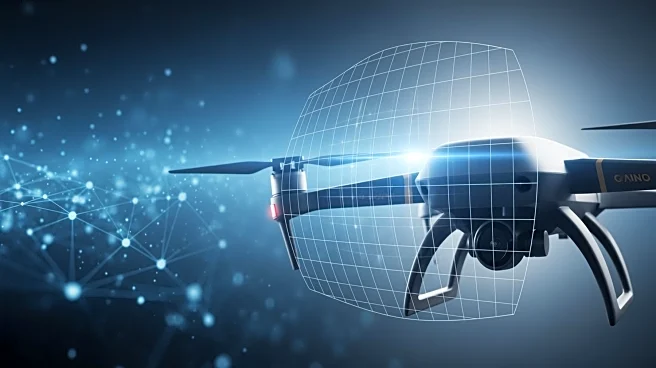
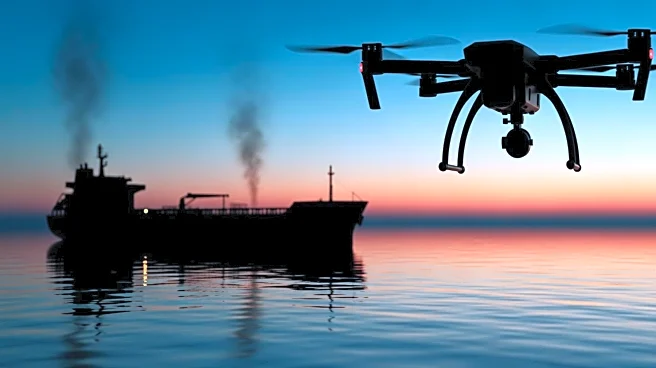
been effective in protecting its Black Sea shipping corridor from Russian threats, could be adapted to the current situation in the Strait of Hormuz. This offer comes as the U.S. struggles to reopen the strait, which has been closed due to Iranian military activities, including the deployment of naval mines and missile threats. Ukraine's system includes a layered air defense to counter drones and drone-boat patrols to deter surface threats. In exchange for this expertise, Ukraine seeks to acquire PAC-3 interceptors from the GCC, which are crucial for its defense against Russian aggression.
Why It's Important?
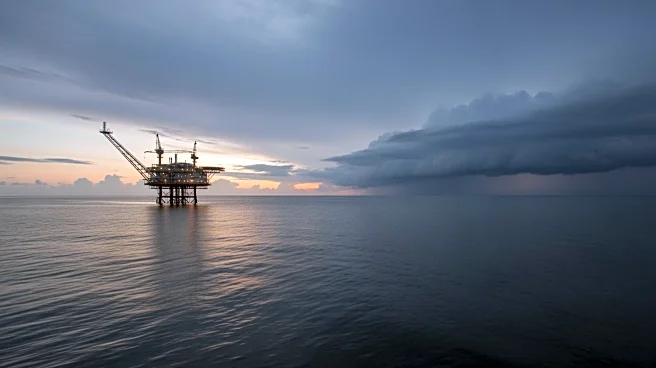
The closure of the Strait of Hormuz, a critical chokepoint for global oil shipments, has significant implications for international energy markets and regional security. Ukraine's offer to assist the GCC states highlights its strategic pivot to leverage military expertise as a diplomatic tool. This move could strengthen Ukraine's international alliances and provide it with much-needed military resources, such as the PAC-3 interceptors. For the GCC, adopting Ukraine's defense strategies could enhance their maritime security and reduce reliance on U.S. military interventions. This collaboration could also set a precedent for international military cooperation in addressing regional conflicts.
What's Next?
If the GCC states accept Ukraine's offer, it could lead to a formal agreement that includes the transfer of military technology and expertise. This partnership may prompt other nations to consider similar collaborations with Ukraine, potentially increasing its geopolitical influence. The U.S. and other Western allies might also view this development as a strategic opportunity to bolster regional security without direct military involvement. However, the success of this initiative will depend on the GCC's assessment of Ukraine's capabilities and the geopolitical dynamics in the Middle East.