
What's Happening?
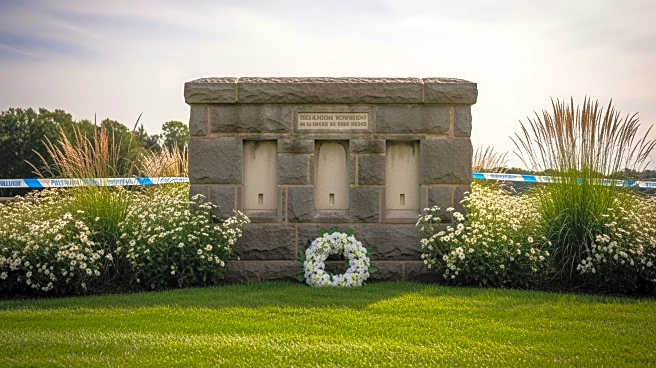
The American Cemetery in Margraten, Netherlands, has become a point of contention following the removal of panels honoring Black soldiers who served in World War II. The American Battle Monuments Commission
removed the displays without public explanation, leading to backlash from Dutch officials, families of U.S. soldiers, and local residents. The removal followed executive orders from President Trump ending diversity, equity, and inclusion programs. The panels highlighted the contributions of Black soldiers, including George H. Pruitt, who died rescuing a comrade, and the racial segregation policies of the U.S. military during the war.
Why It's Important?
The removal of the panels has sparked a debate about how history is commemorated and the importance of recognizing the contributions of marginalized groups. The decision has been criticized for erasing the stories of Black soldiers who played a crucial role in liberating Europe. This controversy highlights broader issues of representation and historical memory, as well as the impact of political decisions on cultural heritage. The backlash underscores the need for inclusive narratives that honor the diverse contributions to historical events.
What's Next?
There may be continued calls for the panels to be reinstated, with pressure from local and international communities. The controversy could lead to discussions about how to appropriately commemorate the contributions of Black soldiers and other marginalized groups in military history. Organizations like the Black Liberators foundation may seek alternative ways to honor these soldiers, potentially through new memorials or educational initiatives. The situation may also prompt a reevaluation of policies related to historical commemoration and diversity.