








What's Happening?
The University of Nevada, Reno has launched a new Bachelor of Science in Animal Science degree program, addressing a long-standing need for in-state higher education in this field. Previously, Nevada students seeking an animal science bachelor's degree had
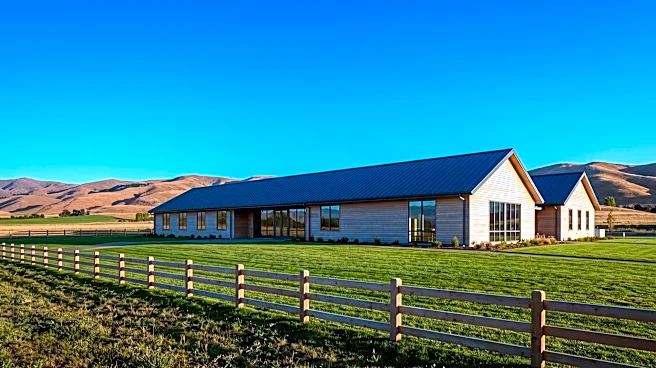
to leave the state. The program, led by Dr. Amilton de Mello, associate professor in the College of Agriculture, Biotechnology & Natural Resources, will cover traditional areas like breeding, genetics, and nutrition, but also emphasize sustainability and modern challenges in livestock and meat production. The university is investing in new facilities, including a feedlot and the recently opened Main Station Farm Science Center, to support hands-on learning and research. This initiative aims to keep more animal agriculture and processing within Nevada, boosting the state's economy.
Why It's Important?
This new Animal Science program is crucial for Nevada's agricultural sector and economy. With cattle and calves being the state's leading agricultural product, the program will provide a skilled workforce to support and innovate the industry. By training students in sustainable practices and modern technologies like virtual fencing and AI-enabled robotics, the university aims to increase in-state meat production and processing, reducing reliance on out-of-state facilities. This not only creates job opportunities but also strengthens the local food supply chain and contributes to economic development. The program's focus on research and hands-on experience will prepare graduates for diverse careers in animal agriculture, veterinary medicine, and biotechnology, addressing a significant demand in Nevada and neighboring states.
What's Next?
The University of Nevada, Reno will begin enrolling students in the new Animal Science Bachelor's program, with expectations of attracting both in-state and out-of-state students. The program will continue to develop its curriculum, integrating cutting-edge research and practical applications at facilities like the Main Station Farm Science Center. Collaborations with local ranchers, the 4-H Youth Development Program, and Western Nevada College will likely expand, creating a comprehensive educational and industry ecosystem. The university's investment in a new feedlot and other facilities suggests a long-term commitment to growing Nevada's animal agriculture and meat industry, with the goal of increasing the state's self-sufficiency in meat production and fostering economic growth.
Beyond the Headlines
The launch of this Animal Science program reflects a broader trend in higher education to align academic offerings with regional economic needs and emerging industry challenges, particularly in sustainability and technological integration. By focusing on 'producing more with less' and minimizing environmental impact, the program addresses critical global concerns about food security and climate change within a local context. The use of advanced technologies like virtual fencing and AI in livestock management highlights the evolving nature of agriculture, moving beyond traditional methods to embrace innovation. This initiative also underscores the importance of universities as drivers of economic development and community engagement, fostering a skilled workforce and supporting local industries through research and education.