






What's Happening?
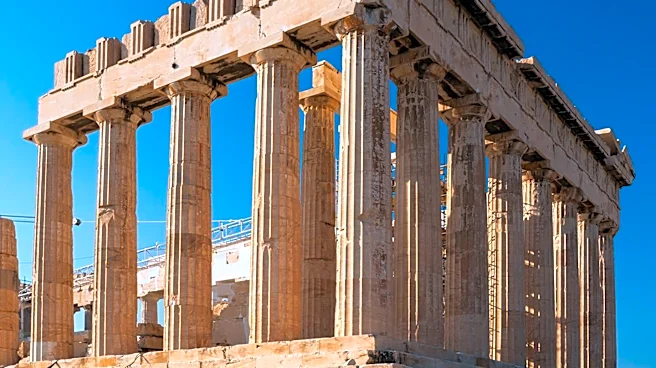
The Acropolis, a prominent historical site, has been subject to afternoon closures during heatwaves in recent summers. The Ministry of Culture has implemented a policy to close the site between 12:00 and 17:00 on days experiencing extreme heat. This measure
is taken with little advance notice when temperatures become excessively high. Visitors are advised to plan their visits for the morning hours, particularly from June to August, and to come prepared with water, hats, and sunscreen due to the lack of shade on the hilltop and the sun-reflecting marble surfaces. The site's operating hours vary throughout the year, with extended hours during peak summer months and earlier closures in the cooler seasons. Specific closure dates include January 1, March 25, May 1, Orthodox Easter Sunday, and December 25-26. Last entry is typically 30 minutes before the official closing time.
Why It's Important?
The recurring closures of the Acropolis due to heatwaves highlight the increasing impact of climate change on cultural heritage sites and the tourism industry. For the U.S. tourism sector, this trend could influence travel advisories and tour package offerings to regions prone to extreme weather, potentially shifting peak travel seasons or encouraging off-season visits. Economically, such closures can lead to lost revenue for local businesses dependent on tourism, including tour operators, hotels, and restaurants. From a public health perspective, these measures underscore the growing need for strategies to protect visitors and workers from heat-related illnesses in outdoor attractions. The situation also serves as a case study for other U.S. national parks and outdoor historical sites that may face similar challenges with rising temperatures, prompting a reevaluation of visitor management and infrastructure to adapt to changing climate conditions.
What's Next?
Given the pattern of closures in recent summers, it is highly probable that the Ministry of Culture will continue to implement similar measures during future heatwaves. Visitors planning trips to the Acropolis should anticipate potential afternoon closures, especially during the hottest months. Tour operators and travel agencies will likely need to adjust itineraries to accommodate these closures, prioritizing early morning visits. There may also be increased public awareness campaigns encouraging visitors to take precautions against heat, such as staying hydrated and seeking shade. Long-term considerations could include exploring infrastructure improvements to provide more shaded areas or cooling stations at the site, or even a reevaluation of the site's operating model during extreme weather events to ensure both visitor safety and the preservation of the ancient monuments.
Beyond the Headlines
The repeated closures of the Acropolis due to heatwaves point to a broader global challenge concerning the preservation and accessibility of cultural heritage in the face of climate change. Beyond immediate visitor safety, prolonged exposure to extreme temperatures and associated weather phenomena can accelerate the degradation of ancient structures. This raises ethical questions about balancing public access with the long-term conservation of irreplaceable historical sites. The situation also highlights the cultural and economic vulnerability of nations heavily reliant on tourism to climate impacts. It could spur international collaborations on climate adaptation strategies for heritage sites, potentially leading to new research into protective materials, innovative cooling solutions, or even digital preservation efforts to ensure these sites remain accessible, at least virtually, for future generations.