





What's Happening?
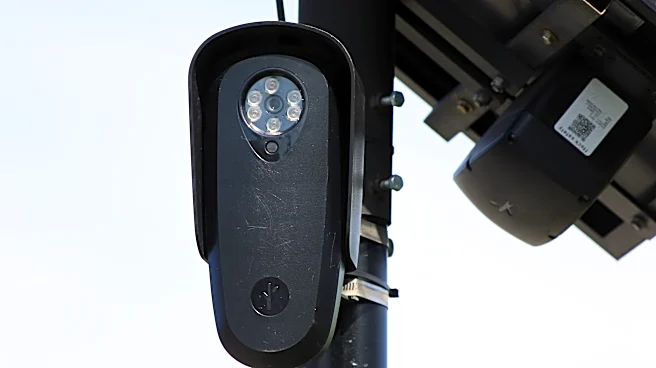
Several police departments in Massachusetts are under increased scrutiny regarding their use of Flock Safety's automated license plate reader (ALPR) system. The Lynn Police Department has placed two officers on paid administrative leave and initiated
an internal investigation after an audit revealed a 'concerning pattern in some searches' within their Flock Safety system. Access to the cameras has since been restricted to supervisory personnel. This follows similar incidents in other Massachusetts towns. The New Bedford Police Department suspended its Flock camera use after an officer was accused of using the system to track her ex-girlfriend. In Stow, police disabled their Flock cameras and an officer faces termination and criminal charges for allegedly using police databases, including Flock cameras, to obtain information about someone he knew personally. Additionally, the town of Hopkinton is terminating its contract with Flock Safety due to 'statutory deficiencies' making the agreement unlawful under Massachusetts law, with cameras to be removed by September 30.
Why It's Important?
The widespread scrutiny and alleged misuse of ALPR technology by Massachusetts police departments highlight significant concerns regarding privacy, civil liberties, and oversight of advanced surveillance tools. While police departments assert the technology's value in criminal investigations, such as homicides and hit-and-run crashes, the incidents of alleged personal misuse by officers undermine public trust and raise questions about the adequacy of existing safeguards. The termination of contracts and internal investigations signal a growing demand for greater transparency and accountability in how law enforcement agencies utilize and manage data collected by these systems. This situation could lead to broader policy reviews and potentially stricter regulations on the deployment and access protocols for ALPR technology across the state, impacting both public safety operations and individual privacy rights.
What's Next?
Following the audit results, the Lynn Police Department has restricted access to Flock cameras to supervisory personnel and is reviewing its license plate reader policy. Hopkinton's Flock cameras are slated for shutdown and physical removal by September 30, and the town will conduct a broader review of all technology used by its police department, focusing on operational needs, privacy protections, transparency, oversight, and procurement processes. The ongoing internal investigations in Lynn and New Bedford will determine the disciplinary actions for the officers involved. These events are likely to prompt further discussions and potential legislative action at the state level regarding the regulation and oversight of ALPR technology, as communities and civil liberties advocates continue to raise concerns about data collection and potential abuses.
Beyond the Headlines
The incidents surrounding Flock Safety cameras in Massachusetts underscore a critical tension between public safety and individual privacy in the digital age. The alleged misuse of surveillance technology for personal reasons by law enforcement officers reveals a vulnerability in systems designed for public protection, raising ethical questions about data access and accountability. This situation could catalyze a re-evaluation of the balance between technological advancement in policing and the fundamental rights of citizens. It also highlights the need for robust internal audit mechanisms, clear policy guidelines, and comprehensive training for officers using such powerful tools. The outcomes of these local investigations and policy reviews could set precedents for how other jurisdictions nationwide approach the governance of automated surveillance technologies, influencing the future landscape of policing and civil liberties.