

What's Happening?
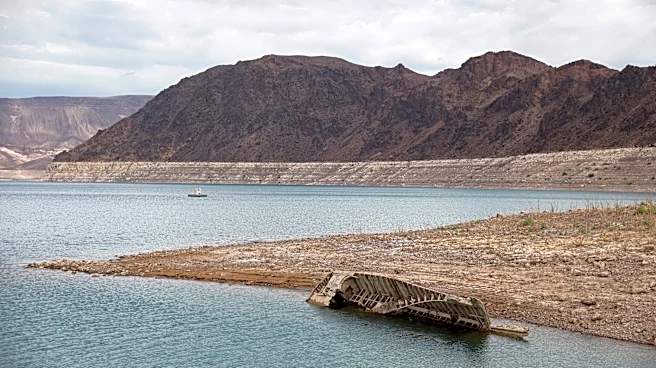
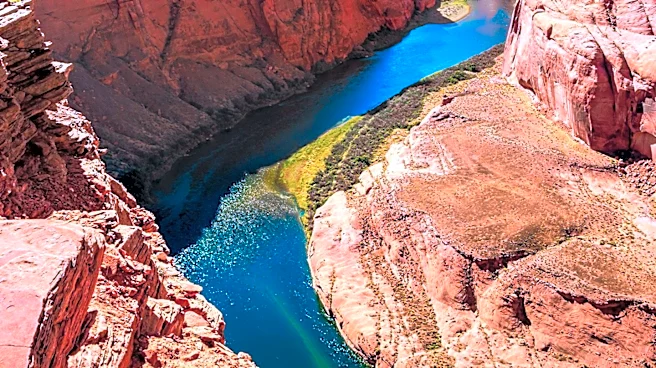
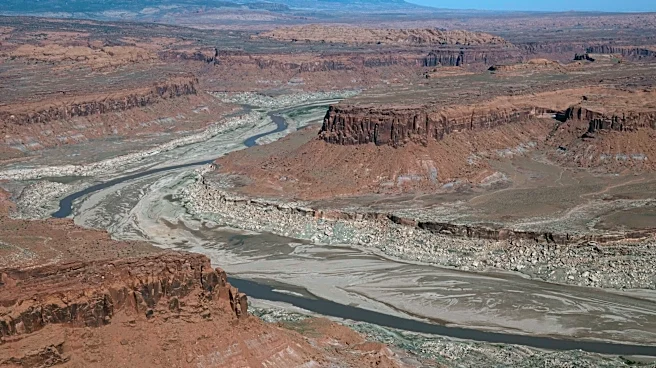
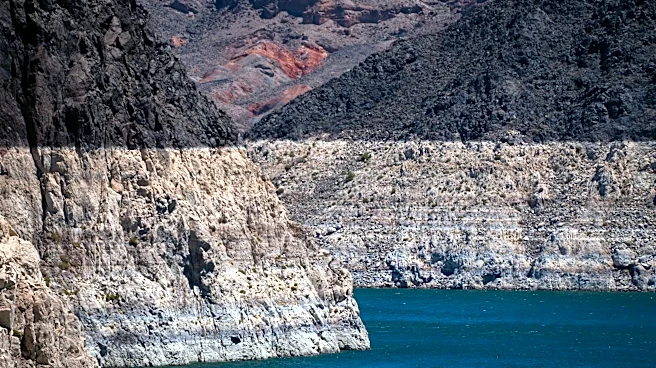
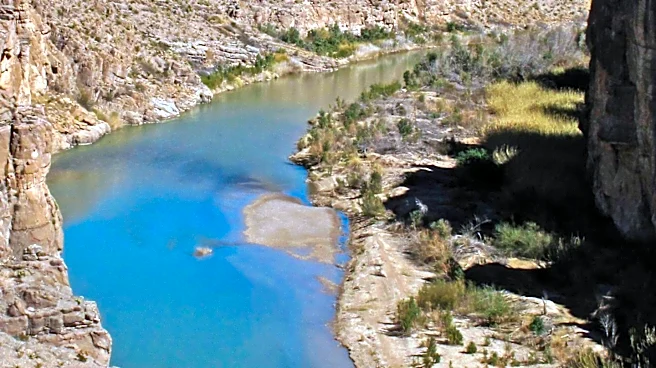
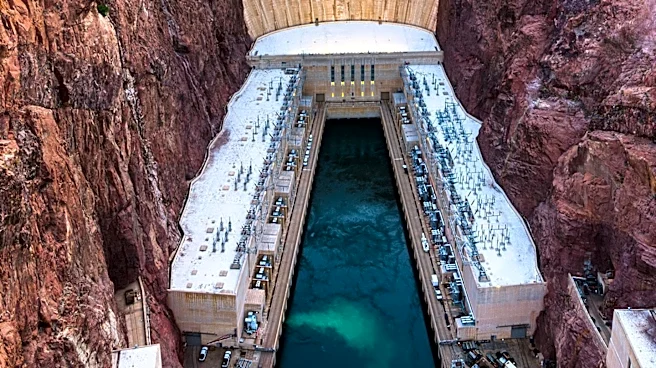
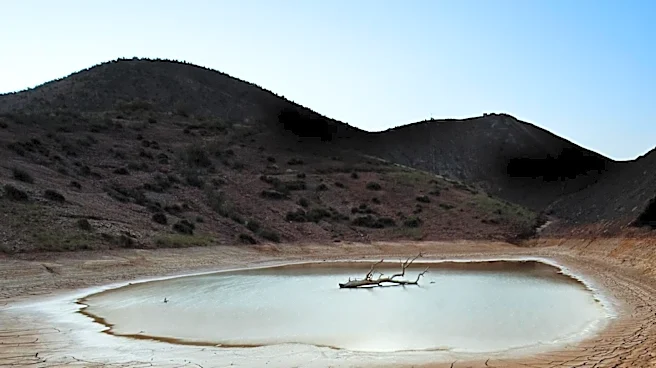
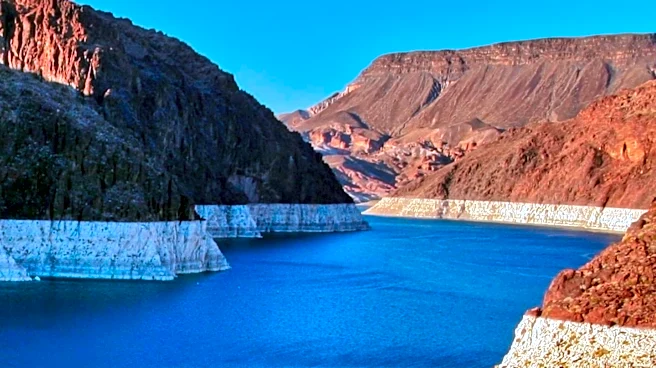
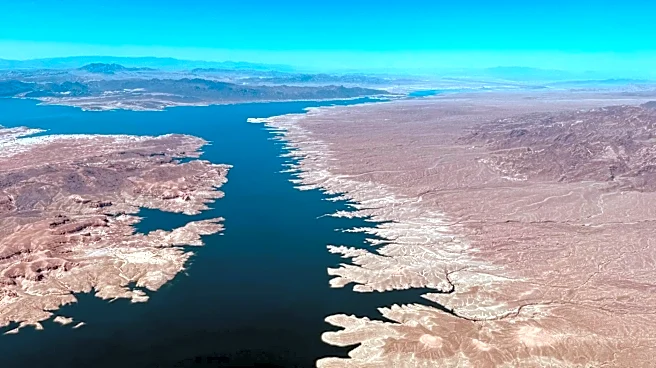
Lake Mead, the largest reservoir in the United States, has reached its lowest water level since it was filled nearly 90 years ago. This development is part of a broader crisis affecting the Colorado River system, which is experiencing severe drought conditions.
The water levels at Lake Mead have dropped to 1,040.4 feet above sea level, just below the previous record set in 2022. The drought has been exacerbated by the worst snowpack on record in the Colorado River Basin, impacting farmers, industries, wildlife, and over 40 million people across seven U.S. states, tribal nations, and Mexico.
Why It's Important?
The declining water levels in Lake Mead and the Colorado River have significant implications for water supply, agriculture, and energy production in the region. The reservoir is a critical source of water for millions of people and supports agricultural activities and hydropower generation. The ongoing drought and overuse of water resources threaten the sustainability of these activities and could lead to water shortages and increased competition for resources. The situation underscores the need for coordinated water management and conservation efforts among the states that rely on the Colorado River.
What's Next?
Federal officials have proposed a short-term plan to address the crisis, which includes water cuts for the Lower Basin states of Arizona, California, and Nevada. The proposal aims to provide flexibility in water management, allowing for deeper cuts during drier periods. However, long-term solutions will require cooperation among the states to develop sustainable water-sharing agreements. The situation is likely to prompt further discussions and negotiations among stakeholders to address the challenges posed by the drought and ensure the long-term viability of the Colorado River system.