







What's Happening?
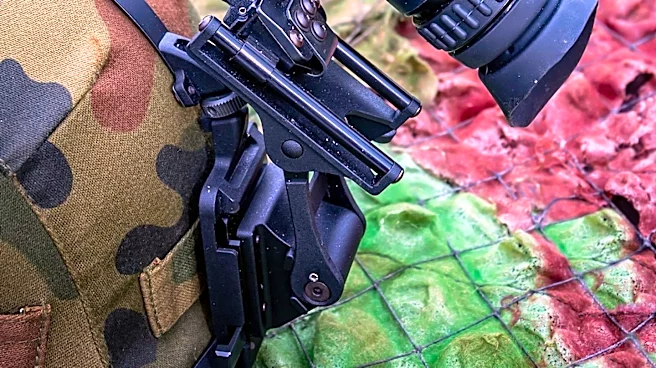
The Washington Department of Fish and Wildlife (WDFW) Police has issued a reminder to hunters regarding recently implemented regulations concerning the use of thermal imaging devices. According to WAC 220-413-070, it is now unlawful to hunt wildlife from
a motorized vehicle with the aid of a spotlight, artificial light, thermal imaging devices, or night vision equipment while possessing a firearm, air rifle, bow and arrow, or crossbow. Furthermore, WAC 220-414-010 specifies that for big game hunting, it is unlawful to use or possess any infrared or night vision equipment, thermal imaging devices, or comparable equipment (excluding trail cameras) for hunting, spotting, locating, or reporting the location of big game. For hunting wildlife other than big game, the use or possession of such equipment is prohibited during the eastern and western Washington modern firearm deer or elk general seasons in October and November.
Why It's Important?
These updated regulations are important for ensuring fair chase principles and preventing unfair advantages in hunting. The use of advanced thermal imaging and night vision technology can significantly alter the balance between hunter and prey, potentially leading to overharvesting or unethical hunting practices. By restricting these devices, the WDFW aims to maintain a more traditional and sporting approach to hunting, aligning with conservation goals that prioritize sustainable wildlife populations. The regulations also address public safety concerns by limiting the use of equipment that could facilitate hunting in low-light conditions, which might increase risks to both hunters and non-hunters. This move reflects a broader effort by wildlife management agencies to adapt to technological advancements in hunting gear and ensure that regulations keep pace with new capabilities.
What's Next?
Hunters in Washington are expected to familiarize themselves with and adhere to these new regulations. The WDFW Police will likely increase enforcement efforts to ensure compliance, particularly during peak hunting seasons. Educational campaigns may also be launched to further inform the hunting community about the specifics of these rules and their rationale. Future discussions could involve evaluating the effectiveness of these regulations in achieving their conservation and fair chase objectives, and potentially considering adjustments based on feedback from hunters and wildlife experts. There might also be ongoing debates about the role of technology in hunting and how to balance innovation with ethical considerations and wildlife management principles.
Beyond the Headlines
The prohibition of thermal imaging and night vision devices in hunting extends beyond simple regulation; it delves into the evolving definition of 'fair chase' in the modern era. As technology advances, the line between traditional hunting skills and technological advantage becomes increasingly blurred. This decision by the WDFW reflects a philosophical stance that hunting should remain a challenge that relies on a hunter's skill, knowledge of wildlife, and understanding of the environment, rather than on technological superiority. It also highlights the tension between the desire for efficiency in hunting and the ethical imperative to respect wildlife and maintain a level playing field. This could set a precedent for other states to review their own hunting regulations in light of emerging technologies, potentially shaping the future of hunting practices across the U.S. and influencing how future generations perceive and engage with the sport.