






What's Happening?
Southern California is bracing for a weekend of extreme heat, with temperatures expected to soar between 90 to 120 degrees across various regions. The National Weather Service has issued a heat advisory for non-coastal areas, warning of potential fire
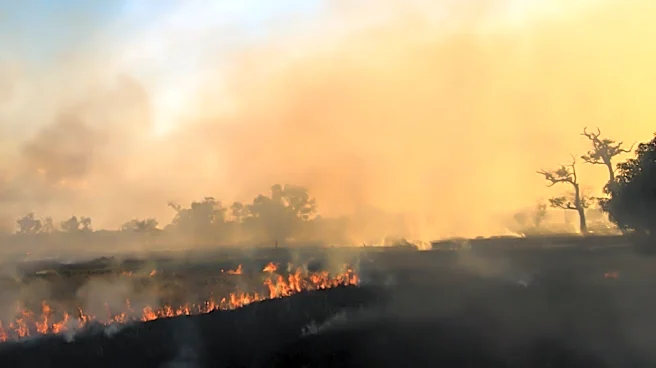
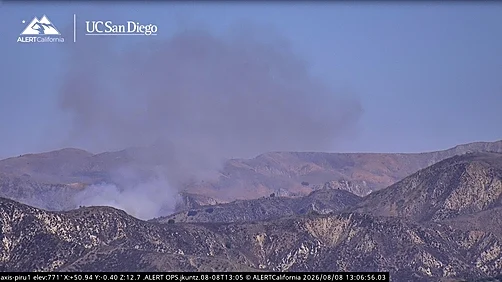
hazards due to the hot and unstable conditions. The Inland Empire, Antelope Valley, and Mojave Desert are among the areas expected to experience the highest temperatures. The extreme heat has already contributed to the Ridge fire, which burned over 1,000 acres and led to temporary road closures and evacuation orders. Additionally, a coastal flood advisory is in effect for the Bay Area, with potential minor flooding in low-lying areas.
Why It's Important?
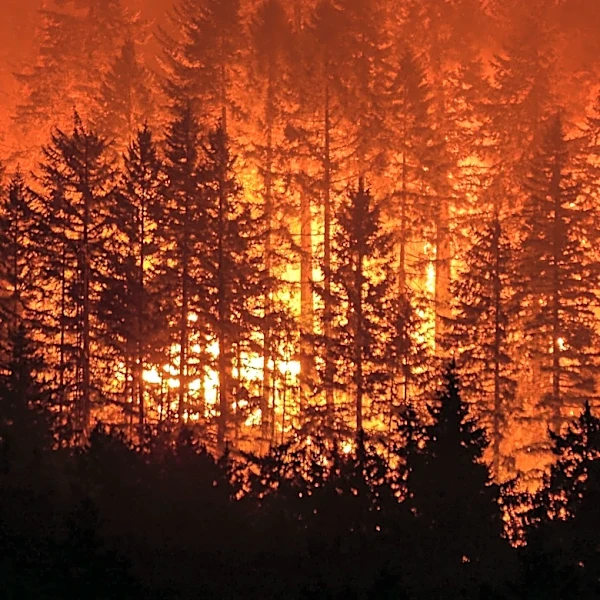
The extreme heat and elevated fire risk pose significant challenges for Southern California, a region already prone to wildfires. The combination of high temperatures and dry conditions increases the likelihood of rapid fire spread, threatening communities, infrastructure, and natural habitats. The situation underscores the need for effective emergency response and preparedness measures to protect residents and minimize damage. The heatwave also highlights broader concerns about climate change and its impact on weather patterns, prompting discussions on sustainable practices and policies to mitigate future risks.
What's Next?
Authorities are likely to continue monitoring weather conditions closely and may issue further advisories or evacuation orders as needed. Residents are advised to stay informed about local weather updates and take precautions to protect themselves from heat-related illnesses. Emergency services and firefighting teams are on high alert to respond to any new fire outbreaks. The situation may prompt policymakers to consider long-term strategies for managing extreme weather events and enhancing community resilience against climate-related challenges.