








What's Happening?
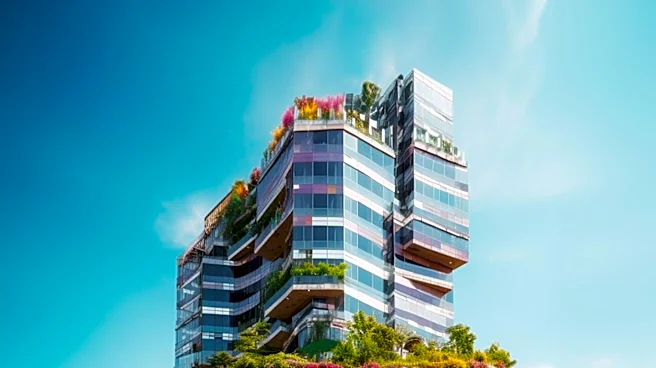
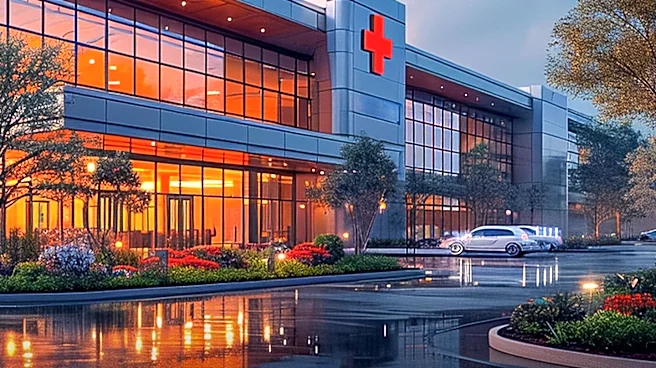
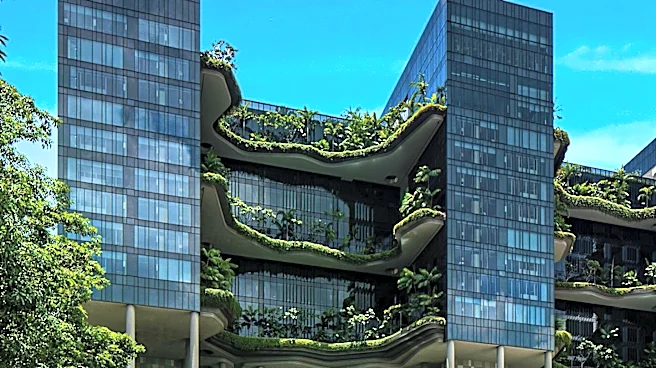
Healthcare construction in Colorado is increasingly incorporating biophilic design, integrating elements such as daylight, nature views, natural materials like wood and stone, indoor plantings, and healing gardens into hospitals and outpatient facilities.
This approach aims to create healing spaces that enhance patient comfort, reduce stress, and improve staff retention. Research supports that access to nature in healthcare settings reduces patient stress, aids emotional recovery, and contributes to higher satisfaction with care and staff productivity. Colorado's population growth and evolving healthcare needs are driving this shift, with health systems prioritizing projects that combine healing environments with accessibility and long-term operational sustainability. Contractors are tasked with implementing these designs while ensuring durability, maintenance access, and operational performance, particularly in regions like Denver metro, Colorado Springs, and Northern Colorado.
Why It's Important?
The integration of biophilic design in Colorado's healthcare construction is significant for several reasons. It addresses the growing demand for patient-centered care by creating environments that actively contribute to healing and well-being, potentially leading to shorter patient stays and reduced pain medication use. This focus on natural light and views also improves staff morale and productivity, which is crucial in a tight labor market and helps combat staff shortages. Economically, biophilic design can lead to reduced energy consumption through optimized natural light, cutting operational costs for healthcare facilities. For the construction industry, it necessitates a deeper understanding of specialized materials, glazing technologies, and MEP systems to balance aesthetic goals with stringent healthcare cleaning protocols and regulatory compliance, thereby influencing material procurement and construction practices.
What's Next?
The trend of biophilic design in Colorado's healthcare construction is expected to continue, with a focus on refining its implementation to maximize benefits while addressing practical challenges. Contractors will need to enhance their expertise in areas such as high-altitude solar radiation management, ensuring glare control and appropriate shading devices. There will likely be an increased emphasis on preconstruction planning to protect daylighting goals from value engineering and to ensure the long-term durability and cleanability of natural materials. The use of mass timber applications in outpatient clinics and wellness centers may also expand, requiring careful consideration of fire protection and delivery logistics. Furthermore, ongoing efforts to integrate biophilic design with high-performance building systems, including advanced HVAC and acoustic controls, will be critical to delivering truly healing and sustainable healthcare environments.
Beyond the Headlines
Beyond the immediate benefits to patients and staff, the adoption of biophilic design in Colorado's healthcare sector reflects a broader societal recognition of the interconnectedness between human health and the natural environment. This approach challenges the traditional sterile image of hospitals, promoting a more holistic view of healing that incorporates psychological and emotional comfort. It also highlights the importance of sustainable design practices, as many biophilic elements align with energy efficiency and environmental responsibility. The emphasis on natural light and views could lead to a re-evaluation of urban planning and architectural guidelines, encouraging the preservation and integration of green spaces in built environments. This shift could ultimately foster a more human-centric approach to infrastructure development, where the well-being of occupants is a primary design consideration, influencing not just healthcare but also other sectors like commercial and residential construction.