



What's Happening?
Next Gen Diagnostics (NGD) announced the spin-off of its Infection Prevention division into a new independent company, NGD Infection Prevention, effective January 1. This new entity will focus on implementing real-time genomic transmission detection in U.S.
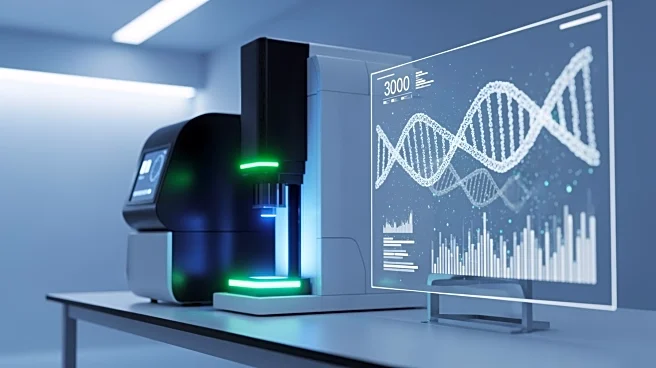
hospitals. The decision comes as sequencing of infections is increasingly recognized as a practical method to detect and prevent transmission in healthcare settings. NGD Infection Prevention will offer a fully automated whole-genome sequencing platform, the NGD200 system, which processes bacterial samples with minimal hands-on time. The system aims to provide hospitals with actionable reports overnight, facilitating the detection and prevention of infection transmission. The company plans to scale its services to cover thousands of hospitals, nursing homes, and dialysis centers across the United States.
Why It's Important?
The establishment of NGD Infection Prevention is significant as it addresses a critical gap in infection control within healthcare facilities. Traditional methods often miss transmissions, even in highly monitored environments like neonatal intensive care units. By providing a cost-effective and automated solution, NGD Infection Prevention could significantly reduce the average length of hospital stays and prevent adverse patient outcomes, including mortality. This development is poised to transform infection control practices, potentially leading to regulatory changes that encourage or mandate the use of genomic sequencing for infection prevention. The financial and human cost savings could be substantial, making this a pivotal advancement in public health and hospital management.
What's Next?
NGD Infection Prevention plans to announce further developments in the new year, including a publication quantifying the impact of sequence-based detection in hospitals with high antibiotic-resistant infections. The company aims to expand its services to a wide range of healthcare facilities, potentially influencing policy changes and reimbursement practices. As the technology gains traction, it may become a standard practice in infection prevention, supported by payers and regulators. The success of this initiative could lead to broader adoption and integration of genomic sequencing in healthcare settings, enhancing patient safety and operational efficiency.