







What's Happening?
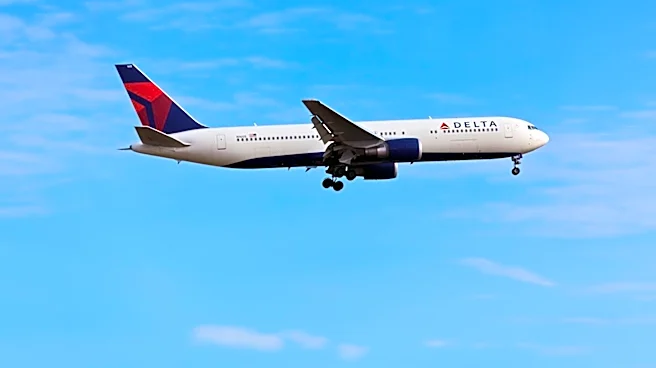
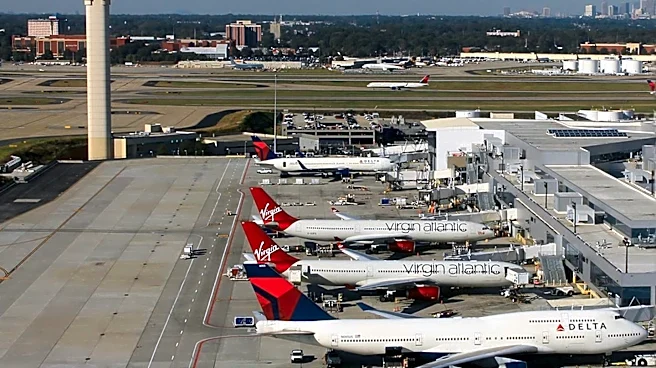
Delta Air Lines Flight 1264, carrying 130 passengers and six crew members, landed safely at Hartsfield-Jackson Atlanta International Airport on October 31 after a smoky odor was detected onboard. The Boeing 737-900 was en route from Chicago O'Hare International Airport when
the crew reported the odor and declared an emergency to receive priority handling from air traffic control. Following established procedures, the aircraft landed without incident and taxied to the gate under its own power. Delta confirmed that there were no injuries to anyone on board. The airline stated that the safety of its customers and crew is paramount, but did not identify the source of the smoky odor.
Why It's Important?
This incident underscores the rigorous safety protocols and emergency procedures in place within the airline industry. The crew's swift action in declaring an emergency and following established guidelines ensured the safe landing of the aircraft and the well-being of all 136 individuals on board. Such events, while potentially alarming for passengers, demonstrate the effectiveness of pilot training and air traffic control coordination in managing unexpected situations. For Delta, the safe resolution reinforces its commitment to safety, a critical factor for passenger confidence and brand reputation in the highly competitive aviation sector. The lack of identified source for the odor, however, may prompt further internal investigation by the airline.
What's Next?
Delta Air Lines will likely conduct a thorough investigation to determine the exact cause of the smoky odor detected on Flight 1264. This investigation will involve examining the aircraft's systems and maintenance records to identify any potential malfunctions or issues. The findings of such an investigation are crucial for preventing similar incidents in the future and for continuously improving aviation safety standards. While the immediate crisis has been resolved with no injuries, the airline's focus will now be on understanding the technical aspects of the event and ensuring the aircraft is fully airworthy before its next flight.
Beyond the Headlines
Beyond the immediate safety aspect, incidents like this can subtly influence public perception of air travel and airline safety, even when resolved without harm. It highlights the constant vigilance required in aviation maintenance and operations. The undisclosed source of the odor could lead to broader industry discussions about sensor technology, cabin air quality monitoring, and maintenance checks for subtle issues that might not immediately manifest as critical failures. This event serves as a reminder that even with advanced technology and stringent regulations, unexpected occurrences can arise, necessitating robust emergency response systems and highly trained personnel to ensure passenger safety.