


What's Happening?
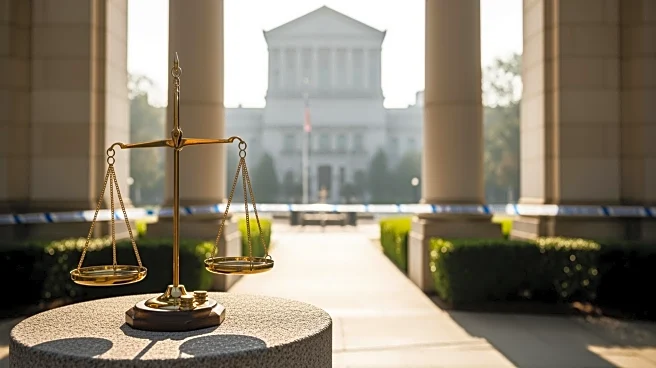
Governor JB Pritzker of Illinois has signed a new law that restricts federal immigration enforcement actions near courthouses, hospitals, college campuses, and day care facilities. This legislation, known as the 'Laken Riley Act,' aims to protect individuals
from being arrested by federal agents in these sensitive locations. The law also provides a legal pathway for individuals to sue if their constitutional rights are violated during such enforcement actions, with potential damages of $10,000 for unlawful arrests. This move comes in response to the Trump administration's aggressive immigration enforcement in the Chicago area, which has been met with significant resistance from state and local lawmakers.
Why It's Important?
The enactment of this law is significant as it represents a pushback against federal immigration policies perceived as overreaching by state authorities. By creating safe zones around courthouses and other critical locations, the law aims to ensure that individuals can access essential services and legal proceedings without fear of arrest. This could have a profound impact on immigrant communities, providing them with greater security and legal recourse. Additionally, the law highlights the ongoing tension between state and federal authorities over immigration enforcement, potentially setting a precedent for other states to follow.
What's Next?
The new law may face legal challenges, as indicated by concerns from local law enforcement about the potential for unintended consequences. There is also the possibility of federal pushback, given the law's direct challenge to federal immigration enforcement practices. Stakeholders, including immigrant advocacy groups and legal experts, will likely monitor the implementation of the law closely to assess its impact and effectiveness. The law's success or failure could influence similar legislative efforts in other states.
Beyond the Headlines
This legislation underscores a broader debate about the balance of power between state and federal governments, particularly in areas like immigration where jurisdictional boundaries are often contested. The law also raises questions about the role of law enforcement and the protection of civil liberties, especially in the context of immigration enforcement. As states like Illinois take steps to assert their own policies, the national conversation around immigration and states' rights is likely to intensify.