





What's Happening?
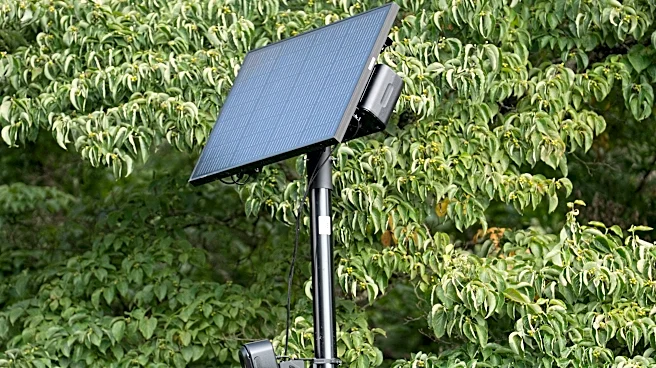
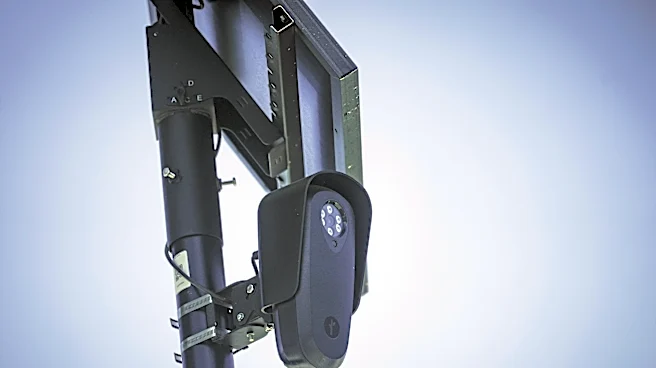
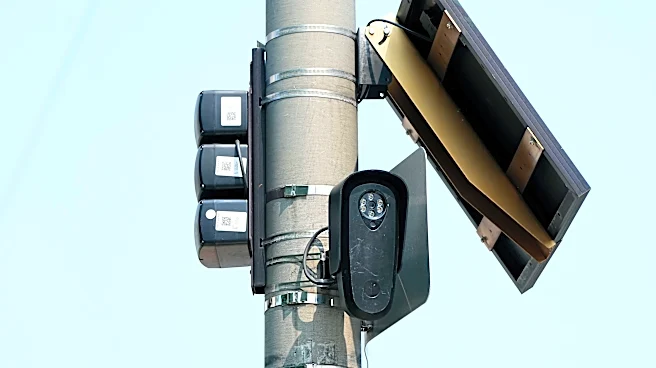
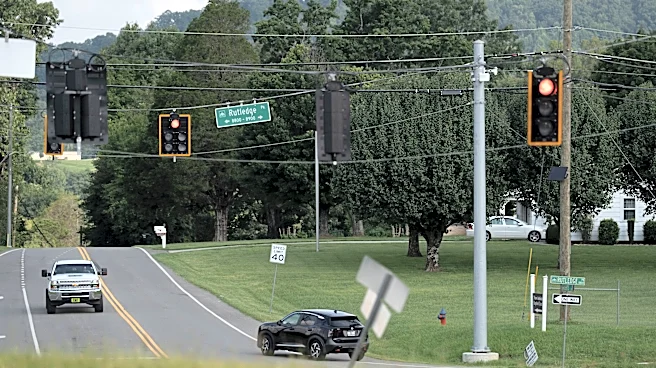
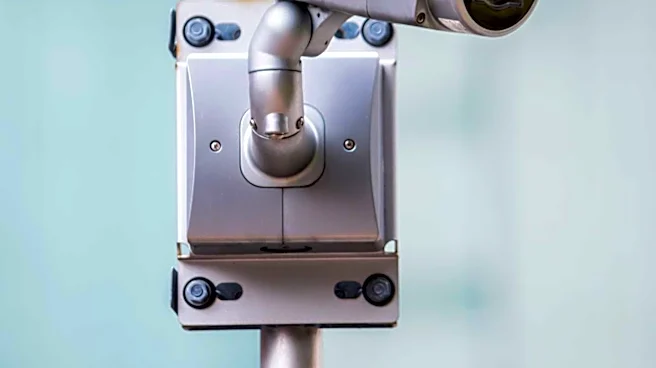
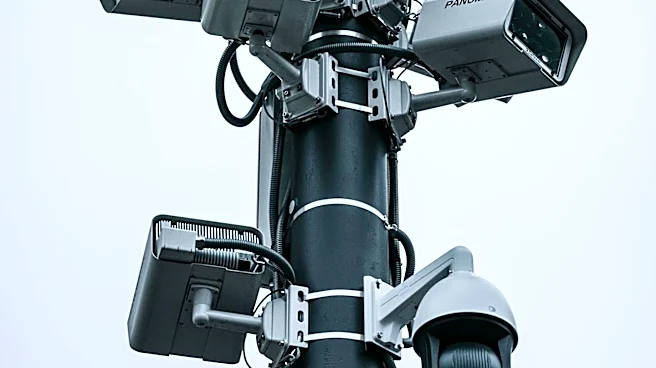
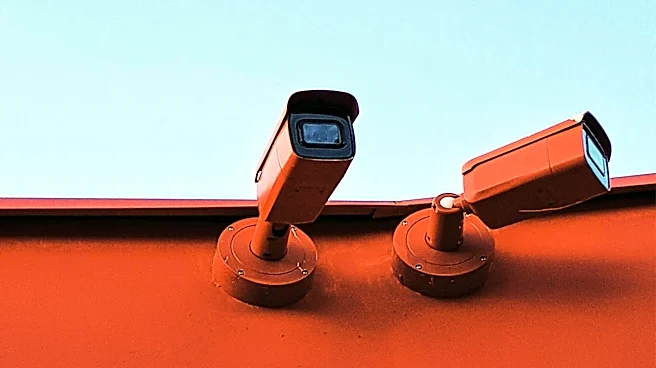
Flock Safety's automated license plate readers (ALPRs) are widely used across the United States, installed in various locations such as roads, intersections, and private properties. These cameras capture vehicle details and convert them into searchable
data, aiding law enforcement in tracking vehicles and suspects. However, the technology has sparked privacy concerns, with some communities canceling contracts due to potential misuse and data sharing with federal immigration officials. Flock Safety asserts that its cameras do not use facial recognition and that data is automatically deleted after 30 days, although retention periods can vary based on contracts and local laws.
Why It's Important?
The deployment of Flock Safety's cameras highlights the tension between public safety and privacy rights. While the technology offers significant benefits for law enforcement, it also raises concerns about mass surveillance and the potential for misuse. The ability to track vehicles across a network of cameras could lead to privacy violations, particularly if data is shared without proper oversight. This situation underscores the need for clear regulations and transparency in the use of surveillance technology to balance security needs with individual privacy rights.
Beyond the Headlines
The controversy surrounding Flock Safety's cameras reflects broader societal debates about surveillance and privacy in the digital age. As technology advances, the potential for intrusive monitoring increases, necessitating robust legal frameworks to protect civil liberties. The situation also highlights the importance of public awareness and engagement in discussions about surveillance technology, ensuring that community concerns are addressed and that technology is used responsibly.