







What's Happening?
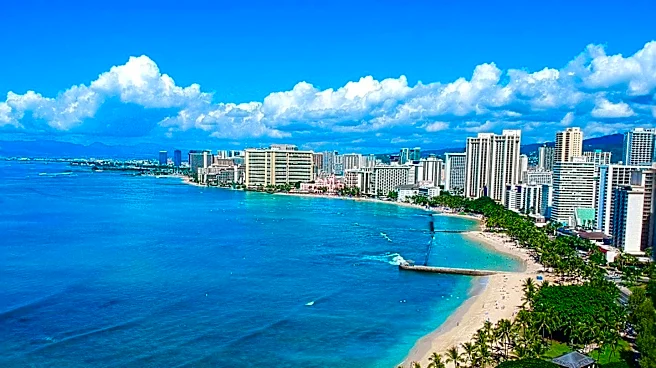
The Green Fee Advisory Council in Hawai'i is set to recommend projects to Governor Josh Green in December, with a new emphasis on increased public input. This marks the second round of funding requests for 'Green Fee' projects, which are financed by an increase in transient
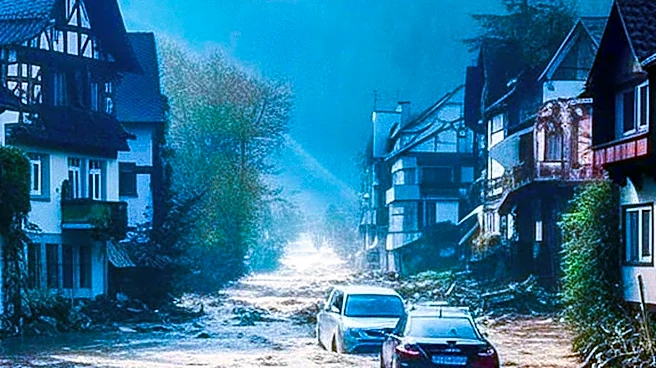
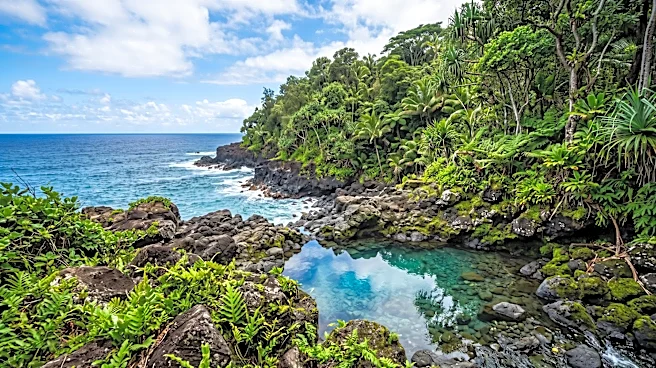
accommodation taxes enacted in 2025. These funds are allocated to environmental stewardship, climate and hazard resilience, and sustainable tourism initiatives. The council is actively soliciting project ideas, votes, and comments from the public through an enhanced 'public ideas portal' at greenfeehawaii.org. The deadline for public input for this round is Saturday night, though later submissions will be considered for future funding cycles. The council, which was reduced from ten to seven members this year, will consider this public feedback when formulating its recommendations to the governor.
Why It's Important?
This initiative is significant as it aims to democratize the allocation of substantial state funding—around $200 million—for critical environmental and sustainability projects. By actively seeking public input, the Green Fee Advisory Council intends to ensure that community priorities are reflected in the projects selected, fostering greater transparency and public trust. The 'Green Fee' mechanism, funded by tourism taxes, represents a dedicated revenue stream for addressing Hawai'i's unique environmental challenges and promoting sustainable development. The process allows state and county agencies, nonprofits, and community organizations to propose projects, ensuring a diverse range of initiatives can be considered. This approach could lead to more effective and community-supported solutions for climate resilience and environmental protection.
What's Next?
The Green Fee Advisory Council will finalize its recommendations to Governor Green in December, incorporating the public input gathered through the portal. The governor will then submit these funding requests to the Legislature, which convenes in January. The Legislature will make the final decisions on which projects to fund, potentially including those not initially recommended by the council or governor. This process will determine the specific environmental, climate, and sustainable tourism projects that will receive state funding for the next two fiscal years, starting July 1, 2027. The continued use of the public portal for future funding cycles suggests an ongoing commitment to community engagement in these decisions.
Beyond the Headlines
The 'Green Fee' initiative reflects a growing trend in destination management, where tourism revenues are directly reinvested into environmental and community well-being. This model acknowledges the impact of tourism and seeks to create a more sustainable relationship between visitors, residents, and the natural environment. The emphasis on public input also highlights a shift towards participatory governance, empowering citizens to directly influence policy and resource allocation. This approach could foster a stronger sense of ownership and collective responsibility for Hawai'i's environmental future. The success of this model could inspire other regions grappling with similar challenges to explore innovative funding mechanisms and public engagement strategies for sustainability.