


What's Happening?
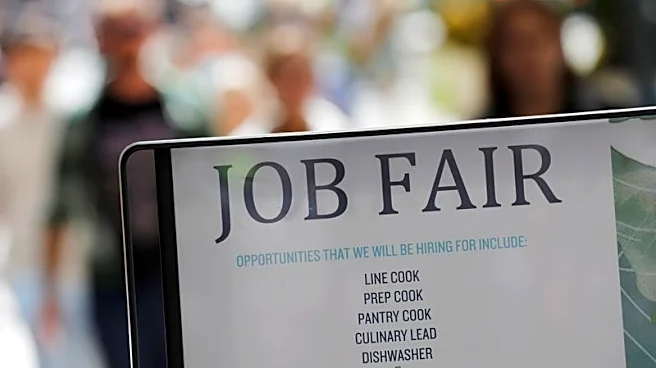
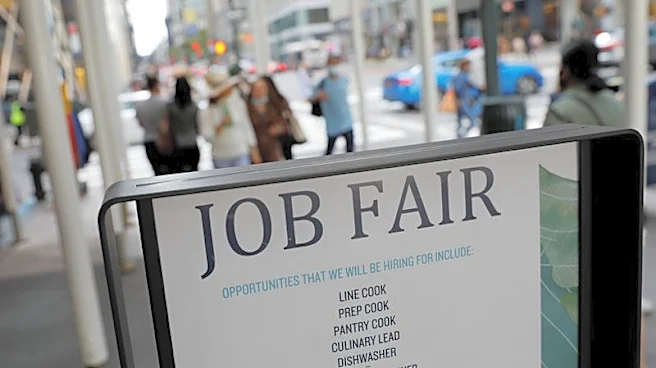
The number of Americans filing for unemployment benefits increased slightly last week, with claims rising by 1,000 to 199,000 for the week ending August 1. Despite this increase, layoffs remain at historically low levels, indicating a stable labor market.
The Federal Reserve's preferred inflation metric, the Personal Consumption Expenditures (PCE) index, was reported at 3.7% for June, above the Fed's 2% target. This persistent inflation could lead the Fed to consider raising interest rates to curb rising prices, potentially impacting hiring decisions by businesses.
Why It's Important?
The slight rise in jobless claims suggests that the U.S. labor market remains resilient despite economic uncertainties. However, the elevated inflation rate poses a challenge for the Federal Reserve, which may need to adjust interest rates to manage price stability. Higher interest rates could increase borrowing costs for businesses, potentially slowing down hiring and investment. The labor market's health is a critical indicator of economic stability, influencing consumer confidence and spending. The Fed's actions in response to inflation will be crucial in shaping the economic outlook.
What's Next?
The upcoming release of the government's July jobs report will provide further insights into the labor market's condition. The Fed's response to inflation data will be closely watched, as any decision to raise interest rates could have significant implications for the economy. Businesses and investors will be monitoring these developments to assess potential impacts on hiring, investment, and economic growth. The Fed's communication and policy decisions will play a key role in maintaining economic stability and confidence.