





What's Happening?
Massachusetts is actively promoting the adoption of electric vehicles (EVs) through its Massachusetts Offers Rebates for Electric Vehicles (MOR-EV) program. This initiative provides substantial rebates ranging from $3,500 to $6,000 for eligible new and
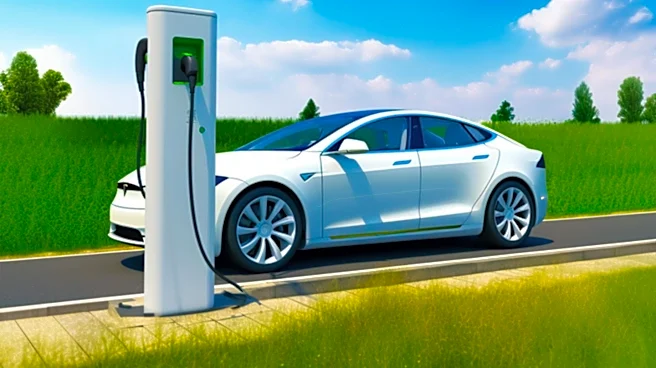
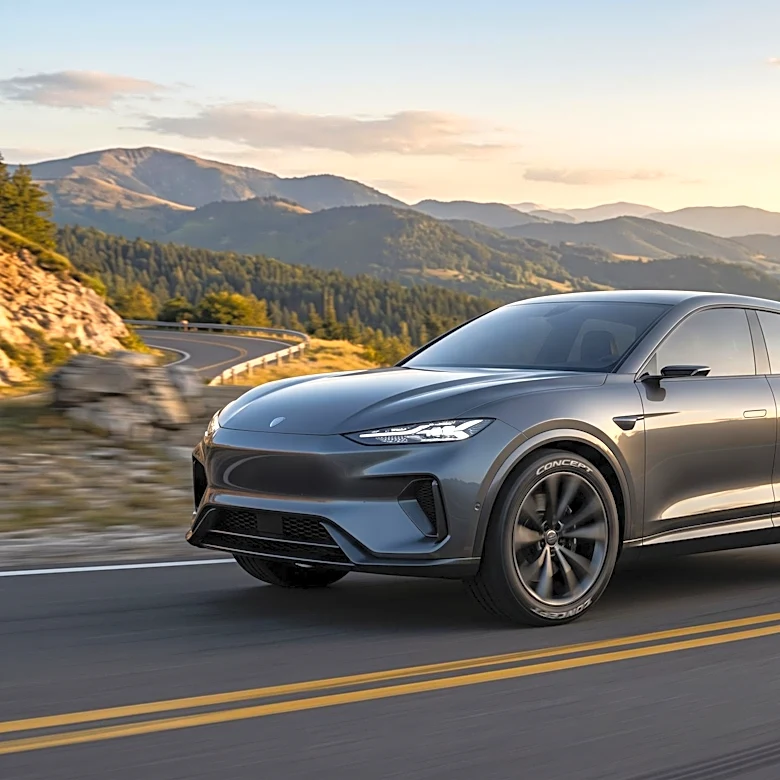
used battery-electric vehicles. Additional incentives are available for income-qualifying residents and other specific categories. The program aims to make EVs more accessible and affordable for consumers, contributing to the state's environmental goals. The transportation sector is identified as the largest source of greenhouse gas emissions in Massachusetts, with light-duty vehicles accounting for 27% of statewide emissions. EVs, unlike gasoline-powered vehicles, produce no tailpipe emissions, offering a cleaner alternative. The market for EVs has expanded significantly, now offering a wide variety of models from compact cars to luxury vehicles, increasing consumer choice and driving technological advancements and cost reductions.
Why It's Important?
The MOR-EV program is a critical component of Massachusetts' strategy to combat climate change and improve air quality. By incentivizing EV adoption, the state directly addresses the largest source of its greenhouse gas emissions, which has significant public health and environmental benefits. The financial incentives make EVs more competitive with traditional gasoline-powered cars, potentially accelerating the transition to electric transportation for a broader segment of the population. This shift can lead to reduced reliance on fossil fuels, lower operating costs for consumers due to cheaper electricity and reduced maintenance, and a more sustainable energy future. The growing variety of EV models and increasing competition in the market also suggest a maturing industry, which could lead to further innovations and affordability, benefiting both consumers and the environment.
What's Next?
The MOR-EV program is subject to updates, and potential buyers are advised to check current requirements for eligibility. The continued evolution of battery technology is expected to address concerns regarding environmental impacts of mineral mining and processing, with manufacturers developing more sustainable battery chemistries and improving recycling processes. As EV adoption increases, there will be ongoing efforts to expand charging infrastructure and enhance grid capacity to support the growing demand for electricity. Events like the Marblehead Cruise-in, showcasing various EV models, are likely to continue, providing opportunities for public engagement and education. The long-term trend points towards a continued increase in EV sales and a concerted effort to integrate them into a broader sustainable transportation system.
Beyond the Headlines
The push for EV adoption in Massachusetts, supported by programs like MOR-EV, highlights a broader societal shift towards sustainable practices and a re-evaluation of traditional transportation models. Beyond the immediate environmental and economic benefits, this transition raises questions about energy infrastructure resilience, the ethical sourcing of raw materials for batteries, and the long-term implications for the automotive industry workforce. The increasing availability of diverse EV models, from budget-friendly options to luxury vehicles, signifies a democratization of electric mobility, moving beyond early adopters to mass market appeal. This also underscores the importance of public policy in shaping consumer behavior and driving technological innovation, demonstrating how state-level initiatives can contribute to national and global climate goals.