


What's Happening?
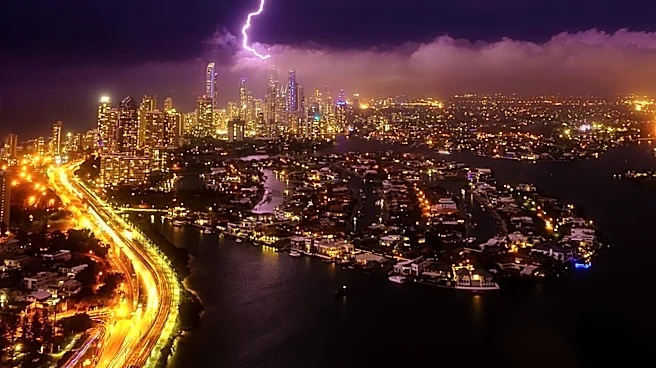
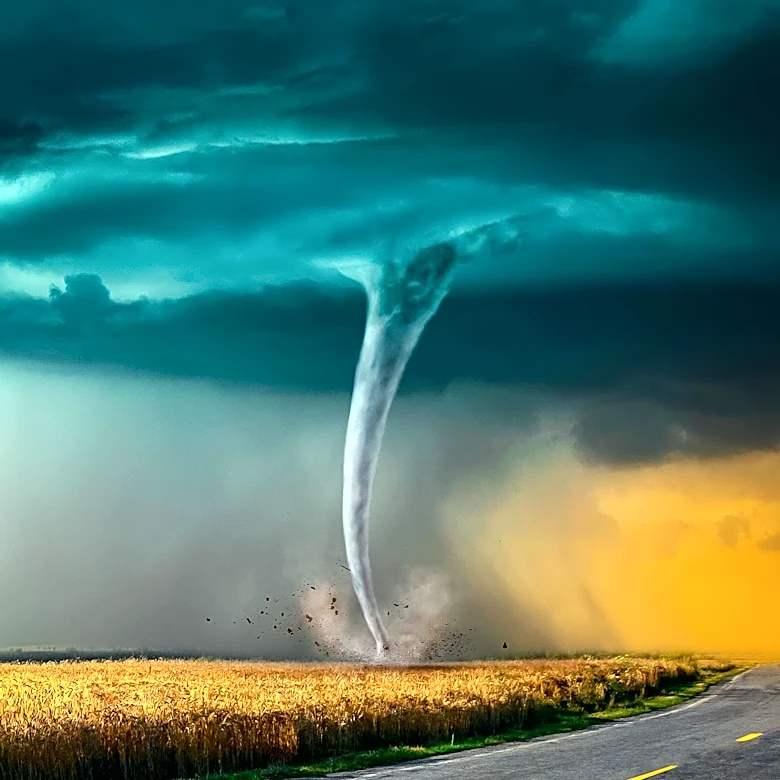
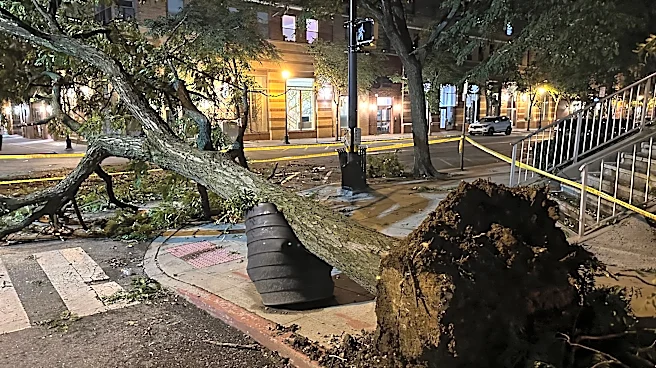
Severe thunderstorms over the July 4th weekend have left more than 500,000 customers without power across several states in the Northeast, Mid-Atlantic, and Midwest. According to PowerOutage.com, Pennsylvania and Michigan are the most affected, with over 100,000
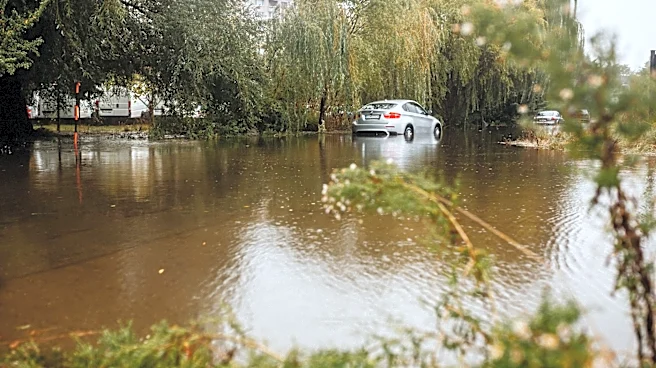
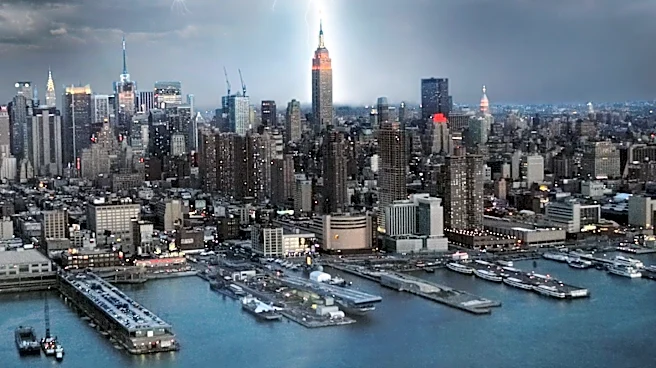
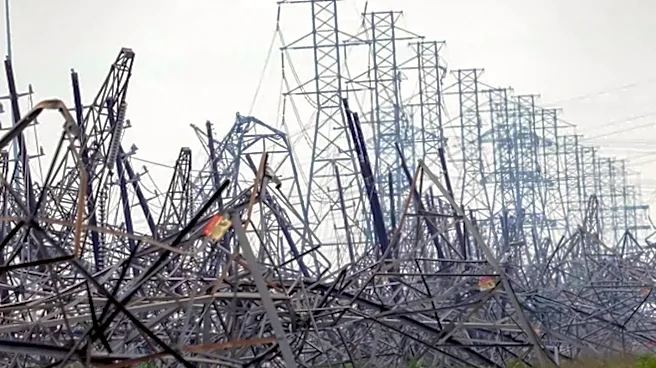
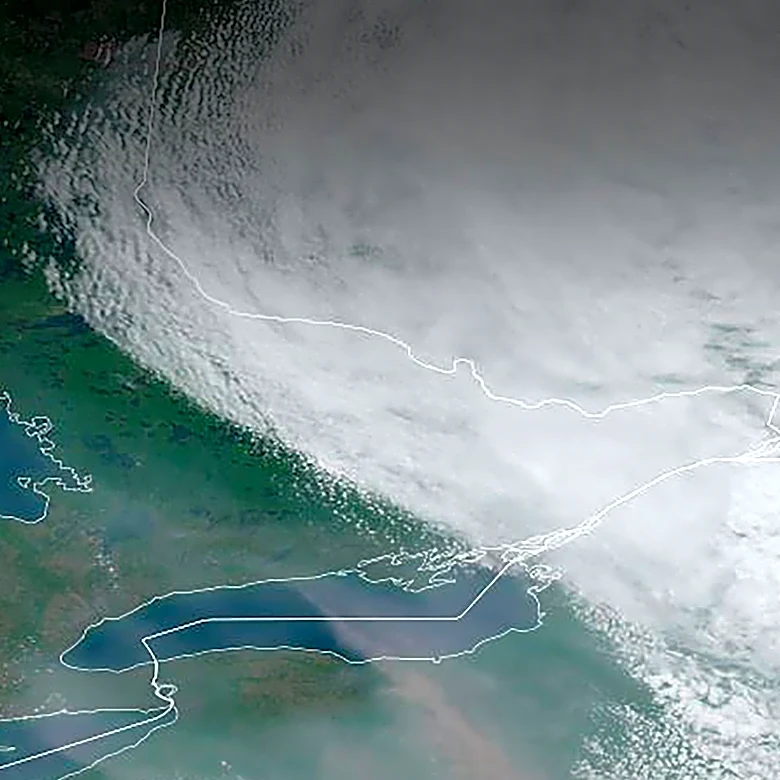
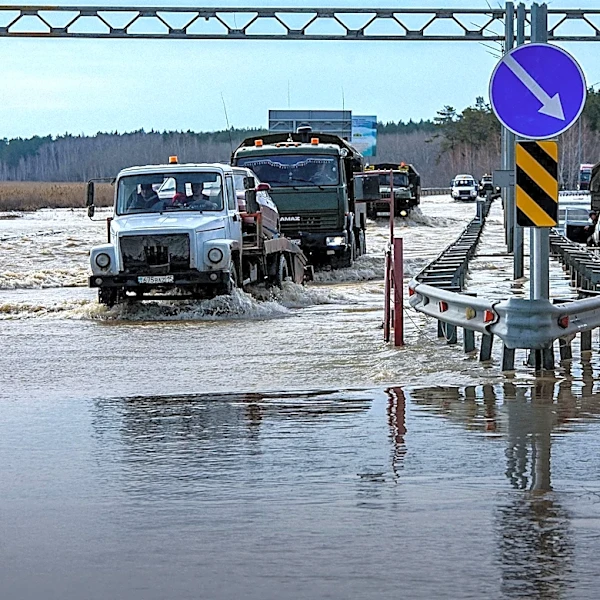
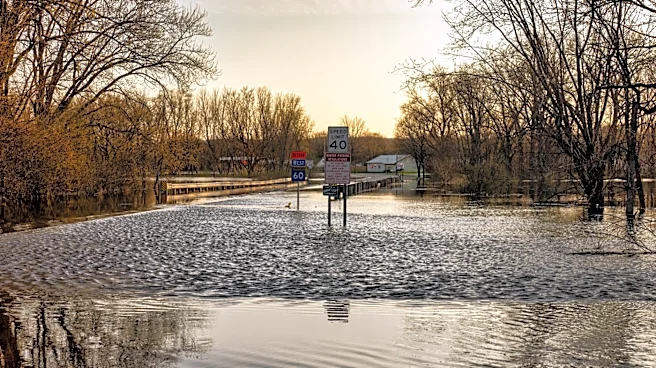
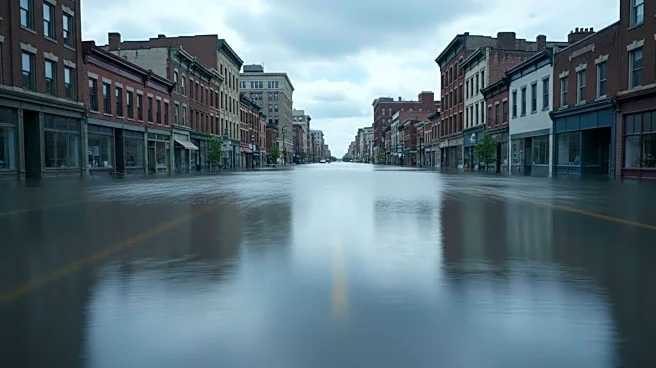
outages each. The storms brought damaging winds, heavy rain, and flash flooding, complicating restoration efforts. In Pennsylvania, PPL Electric Utilities reported over 75,000 customers still without power, despite crews working around the clock. Michigan faced similar challenges, with high winds causing extensive damage and affecting the Fermi 2 nuclear reactor, which shut down automatically but safely. New York and New Jersey also experienced significant outages, with emergency services responding to incidents like a tree falling on a subway train in the Bronx. The National Weather Service has issued warnings for further severe weather, including potential flash flooding, which could hinder ongoing restoration efforts.
Why It's Important?
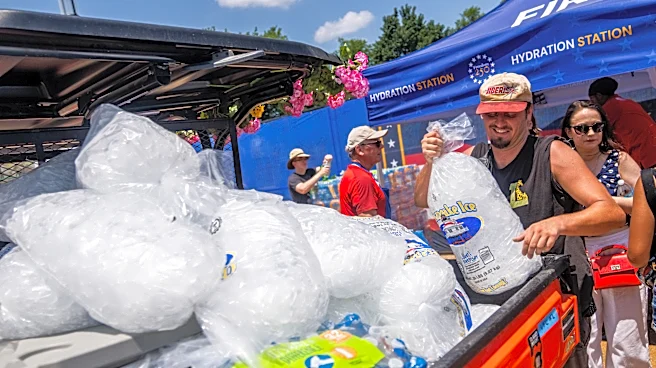
The widespread power outages highlight the vulnerability of infrastructure to severe weather events, which are becoming more frequent and intense. The impact is particularly severe for vulnerable populations who rely on electricity for cooling during high temperatures. The outages also disrupt daily life and economic activities, with businesses and public services affected. The situation underscores the need for investment in resilient infrastructure and emergency preparedness to mitigate the effects of such natural disasters. Utility companies face significant challenges in restoring power quickly, and the ongoing threat of additional storms could prolong recovery efforts, affecting millions of residents across the affected regions.
What's Next?
Utility companies are continuing restoration efforts, but the forecast of additional storms poses a risk of further outages and delays. Authorities are urging residents to prepare for potential flash flooding and to stay informed about weather updates. The situation may prompt discussions on improving infrastructure resilience and emergency response strategies. State and local governments, along with utility companies, may need to reassess their preparedness and response plans to better handle future severe weather events. The ongoing situation will likely lead to increased scrutiny of utility companies' response times and infrastructure robustness.