

What's Happening?
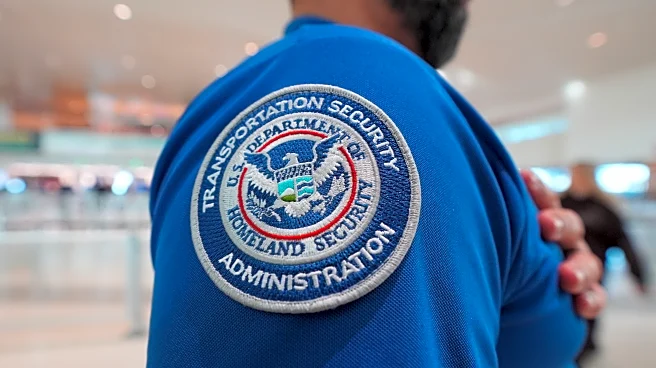
Senate Democrats have blocked a bill to fund the Department of Homeland Security (DHS) for the fourth time in a month, leading to a prolonged shutdown affecting Transportation Security Administration (TSA) workers. The bill failed to pass the 60-vote
threshold needed, as Democrats demand separate spending votes for individual subagencies, excluding those handling immigration enforcement. As a result, TSA agents are expected to miss their first paychecks, and major airports like Denver and Seattle are seeking donations to support unpaid federal employees. The shutdown has also led to significant flight delays and cancellations.
Why It's Important?
The ongoing DHS shutdown underscores the deep political divisions in Congress over immigration enforcement and federal spending. The impasse affects not only TSA workers but also the broader air travel industry, potentially disrupting travel plans for millions of Americans. The situation highlights the challenges of balancing national security needs with political priorities, as well as the human impact of government shutdowns on federal employees who continue to work without pay. The shutdown also raises concerns about the operational capacity of DHS to fulfill its security mandates.
What's Next?
Negotiations between Democrats, Republicans, and the White House are expected to continue as they seek a resolution to the funding impasse. Democrats are pushing for reforms in DHS operations, including requiring immigration agents to display identification and obtain judicial warrants. The outcome of these negotiations could set precedents for future funding and operational policies within DHS. Meanwhile, airports and communities may need to find interim solutions to support affected workers and maintain security operations.
Beyond the Headlines
The shutdown also brings attention to the broader debate over immigration policy in the U.S. and the role of federal agencies in enforcement. The Democratic push for reforms reflects ongoing concerns about civil liberties and the conduct of immigration enforcement agencies. The situation may influence public opinion and future legislative efforts related to immigration and homeland security, potentially impacting the political landscape in upcoming elections.