


What's Happening?
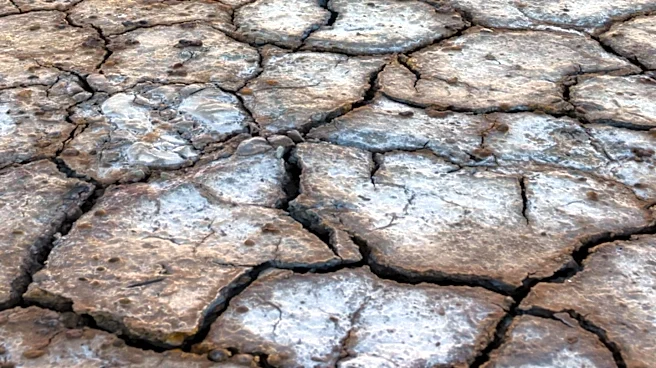
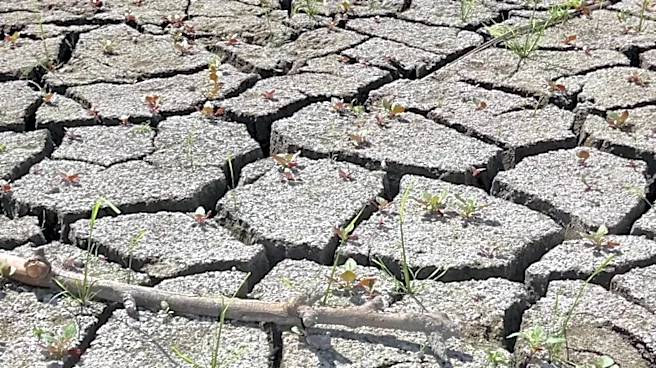
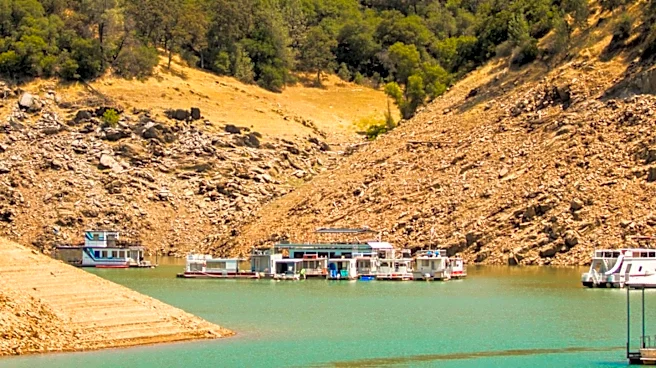
Drought conditions in Maine have deteriorated after a period of improvement, with the U.S. Drought Monitor reporting moderate drought along the coastline from York County to Hancock County. Inland areas, including Washington, Androscoggin, Kennebec, and Penobscot
counties, are experiencing abnormally dry conditions. The National Weather Service's Sarah Jamison noted that the lack of expected precipitation has contributed to the worsening drought, with July being particularly dry. The state needs consistent light rain to replenish groundwater, as heavy rains often result in runoff rather than absorption.
Why It's Important?
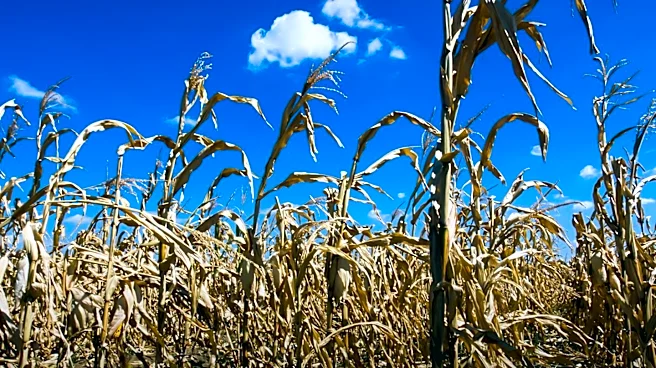
The worsening drought in Maine poses significant challenges for agriculture, water supply, and local ecosystems. Farmers may face reduced crop yields, and residents could experience water shortages, particularly those relying on wells. The economic impact could extend to increased costs for water and potential restrictions on water use. Additionally, the drought could exacerbate wildfire risks, affecting public safety and natural habitats. The situation underscores the need for effective water management and conservation strategies to mitigate the impact of climate variability.
What's Next?
Maine will need sustained above-average precipitation to recover from the current drought conditions. State and local authorities may need to implement water conservation measures and provide support to affected communities. Monitoring and forecasting efforts will be crucial in managing the drought's impact and preparing for potential future dry spells. Stakeholders, including farmers, policymakers, and environmental groups, will likely engage in discussions on long-term water resource management and climate adaptation strategies.