



What's Happening?
Omaha, Nebraska, is currently experiencing a significant September heatwave, with forecasts indicating that high temperatures will dominate through the weekend. The region is expected to see upper 90s, with heat index values potentially reaching 100-110
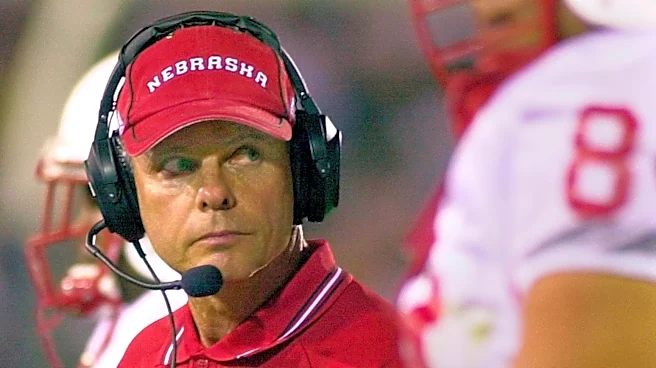
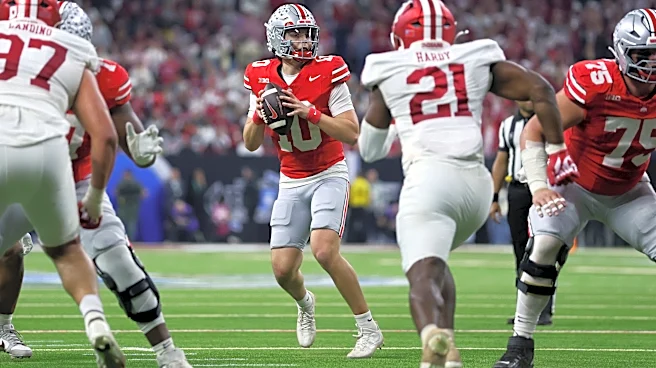
degrees Fahrenheit each afternoon. While a few spotty showers are possible in the early afternoon, most of the area will remain hot and dry. Friday's forecast includes upper 90s, with dew points surging into the lower 70s, making conditions feel even hotter. Saturday is projected to be near a record high, coinciding with the first Husker game of the season in Lincoln, where nearly 100,000 people will be exposed to intense heat. More heat is expected for Labor Day and the following Tuesday, with Tuesday potentially reaching 100 degrees before a cold front attempts to bring some relief.
Why It's Important?
This prolonged heatwave poses significant health risks to Omaha residents, particularly vulnerable populations such as the elderly, young children, and those with pre-existing health conditions. The high heat index values increase the risk of heat-related illnesses like heat exhaustion and heatstroke. For outdoor events, such as the Husker game, the intense heat necessitates extreme caution and preparedness from organizers and attendees. Economically, the heatwave can lead to increased energy consumption for cooling, straining power grids and potentially increasing utility costs. It also impacts outdoor workers and agricultural activities. The forecast highlights the growing concern over extreme weather events and their implications for public health, infrastructure, and daily life.
What's Next?
Residents are advised to take precautions against the heat, including staying hydrated, seeking air-conditioned environments, and limiting outdoor activities, especially during peak afternoon hours. Organizers of outdoor events, like the Husker game, will need to implement robust heat safety measures. The forecast indicates that the heat will persist through Labor Day and into the following Tuesday, with a cold front expected to bring some relief later in the week. However, even with the cold front, upper 80s might be the coolest temperatures by the end of next week, suggesting a continued period of warmer-than-average weather. Public health officials will likely issue ongoing advisories to ensure community safety.
Beyond the Headlines
The September heatwave in Omaha is not just a temporary weather event; it contributes to the broader narrative of changing climate patterns and their localized impacts. Such extreme temperatures, especially outside typical summer months, raise questions about long-term climate trends and the need for cities to adapt their infrastructure and public health strategies. This event could prompt discussions on urban heat island effects, the adequacy of public cooling centers, and the resilience of local power grids. It also underscores the importance of accurate and timely weather forecasting in mitigating public health risks and informing community planning. The experience of this heatwave may influence future policy decisions regarding climate adaptation and public health preparedness in Omaha and similar regions.