






What's Happening?
Florida has confirmed its first dengue fever-related death this year, an 80-year-old Tampa woman who died on September 4. This comes as the state experiences a significant increase in locally acquired dengue cases, reaching 152 for the week ending September 12.
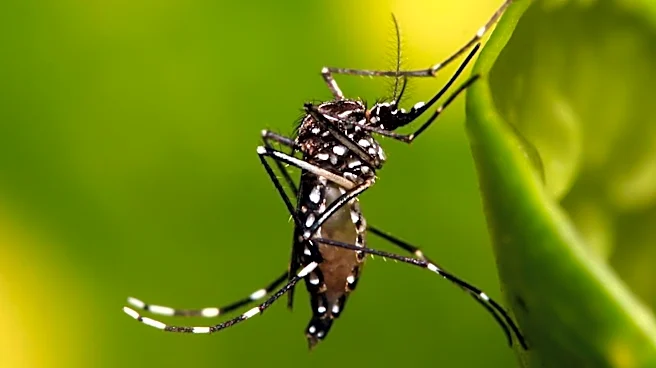
This figure surpasses the total number of cases reported in 2023, which was 189 for the entire year. Hillsborough County, which includes Tampa, has reported the highest number of cases with 134. Other counties with confirmed cases include Miami-Dade, Orange, Palm Beach, Pasco, and Pinellas. Dengue viruses are transmitted through the bites of infected Aedes species mosquitoes, which are also known to spread Zika and chikungunya viruses. The U.S. Centers for Disease Control and Prevention (CDC) states that about one in four people infected with dengue develop symptoms, which typically last two to seven days and are usually mild, including fever, rash, nausea, vomiting, and joint pain. However, about one in 20 infected individuals can develop severe dengue, leading to shock, internal bleeding, and potentially death.
Why It's Important?
The rise in dengue cases and the first reported death in Florida highlight a growing public health concern within the U.S., particularly in states with tropical and subtropical climates. The re-emergence and spread of mosquito-borne illnesses like dengue can strain healthcare systems and pose significant risks to vulnerable populations, such as the elderly. The lack of a specific treatment for dengue, with recommendations limited to rest, fluids, and over-the-counter medications (excluding aspirin or ibuprofen due to bleeding risks), underscores the importance of prevention and early diagnosis. The discontinuation of a previously approved dengue vaccine in the U.S. for specific age groups further emphasizes the reliance on mosquito control and personal protective measures. This situation could lead to increased public health spending on vector control programs and public awareness campaigns, impacting local economies and potentially affecting tourism if outbreaks become more widespread.
What's Next?
Florida health authorities are expected to continue monitoring and reporting dengue cases, likely intensifying mosquito control efforts and public health advisories. Residents in affected areas will be urged to take preventive measures, such as using insect repellent, wearing protective clothing, and eliminating standing water where mosquitoes breed. Healthcare providers will need to remain vigilant for dengue symptoms, especially in areas with active transmission, and ensure proper patient management. The CDC's recommendations for supportive care will continue to be crucial for those who contract the virus. Further research into effective vaccines or treatments for dengue may gain renewed urgency given the increasing incidence. The situation could also prompt discussions at state and federal levels regarding long-term strategies for managing mosquito-borne diseases in a changing climate.
Beyond the Headlines
The increasing prevalence of dengue in Florida points to broader implications concerning climate change and globalization. Warmer temperatures and altered precipitation patterns can expand the geographical range and breeding seasons of Aedes mosquitoes, making once-rare tropical diseases more common in temperate regions of the U.S. International travel also plays a role, as infected travelers can introduce the virus to new areas where mosquito populations are present. This situation underscores the interconnectedness of global health and local environmental factors. The challenges in differentiating dengue from other mosquito-borne illnesses like Zika and chikungunya, which share similar symptoms and vectors, highlight the need for advanced diagnostic tools. The long-term societal impact could include changes in public health infrastructure, increased awareness of vector-borne diseases, and potential shifts in lifestyle practices to mitigate exposure risks.