





What's Happening?
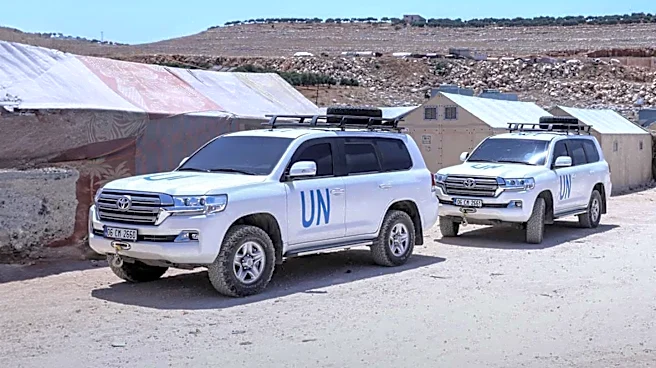
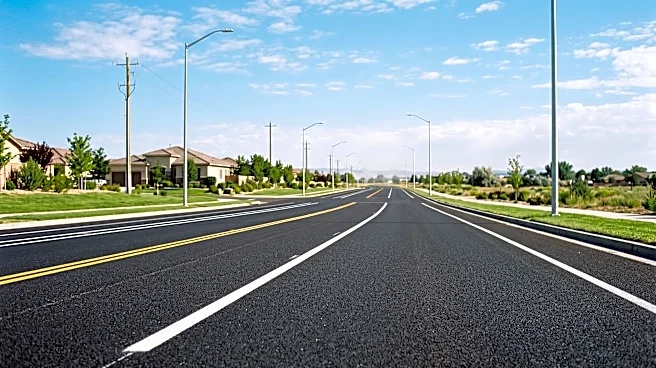
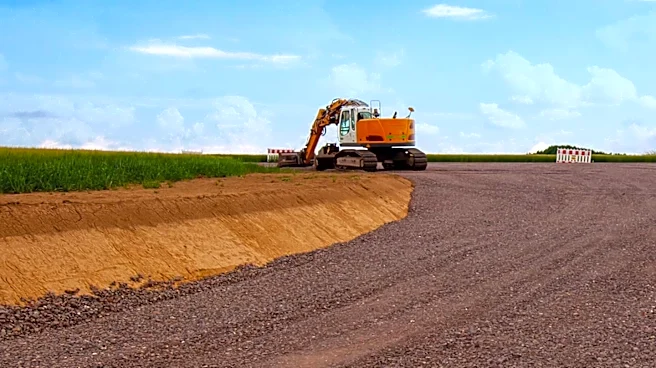
South Korean peacekeepers serving with the United Nations Mission in South Sudan (UNMISS) have successfully completed repairs on the main road connecting Pakwau Junction to Bor town hospital in Jonglei State. This road, vital for residents, authorities,
and humanitarian organizations, had been severely damaged by heavy rains, resulting in deep potholes, uneven surfaces, and dusty sections that made travel difficult and dangerous. The rehabilitation efforts have provided significant relief to the community, improving accessibility for daily commuters, pregnant women, and those needing medical attention at the hospital. The road also serves as a crucial link to the airport and facilitates the movement of essential commodities into the market. Community members, however, remain concerned about future floods impacting travel, despite the recent repairs.
Why It's Important?
The completion of road repairs by UNMISS peacekeepers is crucial for several reasons. Firstly, it directly enhances the safety and well-being of the local population in Bor, particularly vulnerable groups like pregnant women and sick individuals who rely on the road for access to healthcare. The previously hazardous conditions led to frequent accidents and injuries, which the improved infrastructure aims to mitigate. Secondly, the road's rehabilitation is vital for humanitarian operations and the local economy, as it ensures the smooth transport of aid and goods. This infrastructure improvement supports the broader efforts to stabilize and develop the region, which has been affected by conflict and natural disasters. The initiative also highlights the practical, on-the-ground impact of UN peacekeeping missions beyond traditional security roles, demonstrating their contribution to essential public services and community resilience.
What's Next?
While the immediate concerns regarding road conditions have been addressed, the community in Bor remains apprehensive about the long-term impact of continued flooding, especially during the rainy season. UNMISS peacekeepers have expressed their commitment to ongoing rehabilitation efforts in subsequent years, indicating a recognition of the persistent challenges posed by environmental factors. Future steps will likely involve continued monitoring of road conditions, potential extensions of repair work to other critical routes as requested by community members, and possibly the implementation of more robust, flood-resistant infrastructure solutions. Collaboration between UNMISS, local authorities, and humanitarian partners will be essential to develop sustainable strategies for maintaining road networks and mitigating the effects of future natural disasters, ensuring sustained access and safety for the population.
Beyond the Headlines
The road repair project in Bor, South Sudan, underscores the complex interplay between climate change, infrastructure, and humanitarian efforts in vulnerable regions. The recurring issue of floods washing away sections of the road highlights the increasing challenges posed by extreme weather events, which disproportionately affect communities with limited resources and fragile infrastructure. This situation also brings to light the broader issue of climate adaptation and resilience in conflict-affected areas, where existing vulnerabilities are exacerbated by environmental shifts. The involvement of UN peacekeepers in such civil engineering projects demonstrates an evolving role for international missions, moving beyond security mandates to address fundamental development and humanitarian needs. This integrated approach is critical for fostering stability and enabling long-term recovery in regions grappling with both man-made and natural crises, emphasizing the need for comprehensive strategies that link peacebuilding with climate resilience.