







What's Happening?
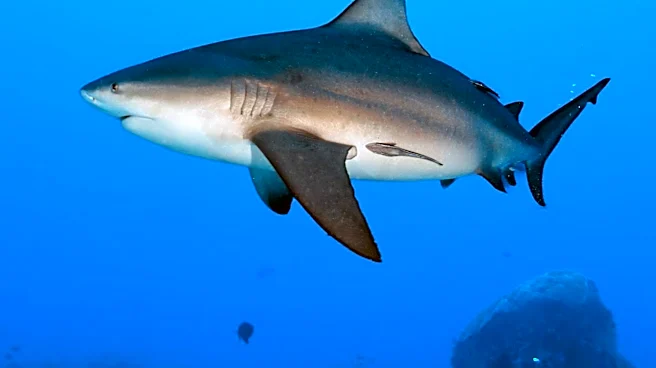
Bukangi, an endangered dusky shark, has resurfaced in Busan Port after spending over a month in a shallow canal at North Port Waterfront Park in Busan, South Korea. Despite being guided out of the waterway multiple times, the shark repeatedly returned,
raising concerns about its health. Gregory Skomal, a senior fisheries scientist at the Massachusetts Division of Marine Fisheries, expressed caution, stating it is too early to be optimistic about the shark's condition. Skomal suggested that weeks of confinement in the cramped channel could have led to chronic stress or disease, potentially exacerbated by pre-existing infections. He also noted that reports indicate the shark appears thinner and shows signs of injury, leading him to suspect it has not been feeding and its health is declining. Authorities had made several attempts to guide Bukangi back to the open sea, including using electrical deterrence devices and barrier nets, but the shark either evaded or re-entered the canal.
Why It's Important?
The situation with Bukangi highlights the challenges and complexities involved in the conservation of endangered marine species, particularly when they interact with human-modified environments. The expert opinion from a U.S. fisheries scientist underscores the international collaboration and shared scientific understanding required to address such incidents. The potential health decline of Bukangi due to prolonged confinement and lack of feeding could serve as a case study for future interventions with marine wildlife in urban or restricted areas. This event also brings attention to the broader issue of how human infrastructure, such as ports and canals, can impact the natural behavior and survival of migratory or displaced marine animals. The public's emotional investment in Bukangi, as evidenced by local protests and calls for her protection, demonstrates the growing public awareness and concern for wildlife conservation, which can influence policy and resource allocation for environmental protection efforts.
What's Next?
While Bukangi has moved beyond the narrow waterway into wider port waters, her long-term health and ability to return to the open sea remain uncertain. Professor Choi, a marine biology professor, believes the shark may be adjusting to deeper waters but is also concerned about injuries sustained from scraping against the canal walls. Experts will likely continue to monitor the situation, though there have been no recent sightings, which is considered a positive sign. The incident may prompt further discussions among marine biologists and port authorities on strategies to prevent similar occurrences and improve rescue and rehabilitation protocols for large marine animals in urbanized coastal areas. The South Korean Ministry of Oceans and Fisheries, which took over the rescue operation, may review its current practices and potentially collaborate with international experts, including those from the U.S., to develop more effective solutions for managing wildlife encounters in busy shipping hubs.
Beyond the Headlines
The saga of Bukangi extends beyond a simple animal rescue, touching upon ethical considerations regarding human intervention in wildlife. The public's strong emotional response, with some advocating for the shark to be left in the canal and others for her return to the sea, illustrates the complex ethical dilemmas that arise when human interests and animal welfare intersect. The suggestion by the oceans ministry that Bukangi's presence in the canal might be linked to warming seas points to the broader implications of climate change on marine ecosystems and species distribution. This incident could serve as a poignant example of how environmental shifts can force wildlife into unusual habitats, leading to increased human-wildlife conflict and demanding innovative conservation approaches. The commercialization of Bukangi's image, with merchandise and a petition for a baseball stadium, also highlights the intersection of environmental issues with local economics and community engagement, showcasing how a single animal can become a symbol for various societal concerns.