


What's Happening?
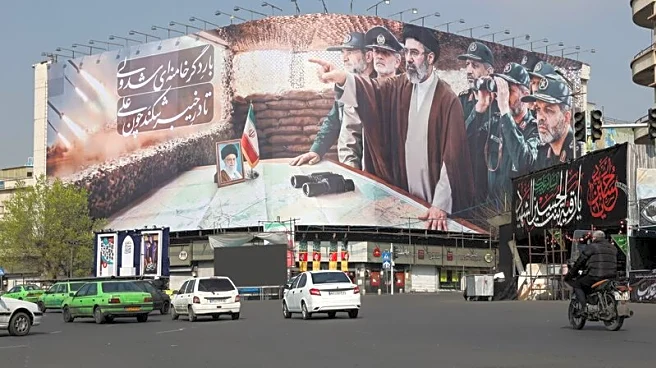
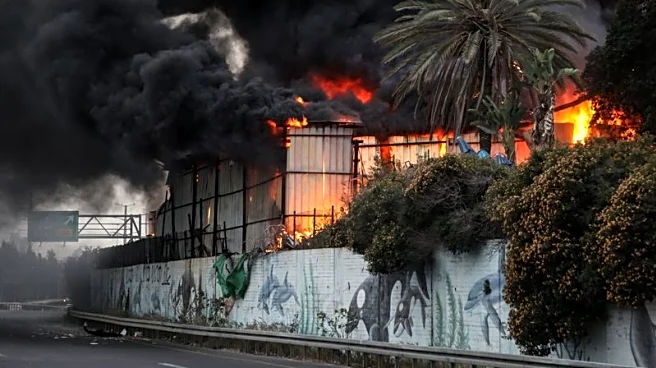
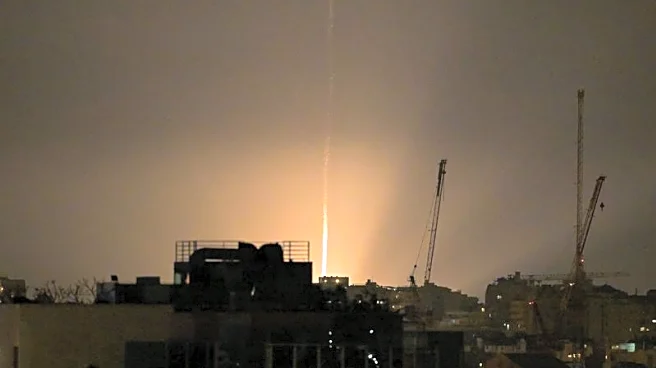
In the context of ongoing conflicts with Iran, Israel is facing daily ballistic missile barrages, including cluster munitions. These munitions are particularly dangerous as they split into smaller bombs mid-air, causing widespread damage. Aaron Godiner,
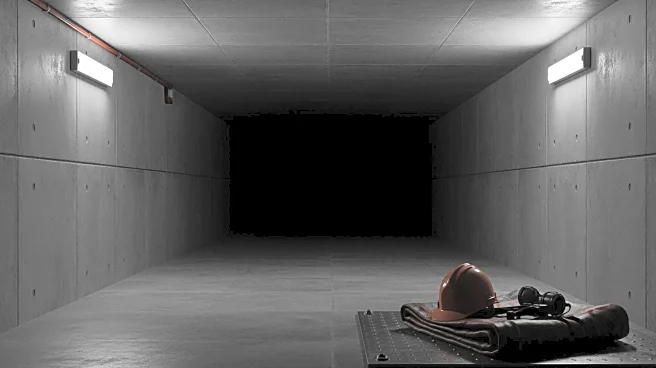
a former Fire and Rescue Authority commander, provided safety tips to the public, emphasizing the dangers of cluster munitions and missile shrapnel. He advised against approaching or touching any fragments or debris, urging people to call the police instead. Godiner also highlighted the risks associated with stopping vehicles under bridges during rocket sirens, as some bridges may not withstand the impact.
Why It's Important?
The use of cluster munitions in conflicts poses significant risks to civilian populations, leading to potential casualties and infrastructure damage. Godiner's advice is crucial for public safety, as it helps mitigate the risks associated with unexploded ordnance and shrapnel. The situation underscores the broader challenges of ensuring civilian safety in conflict zones and the importance of public awareness and preparedness. The ongoing conflict with Iran and the use of such munitions could have broader geopolitical implications, affecting regional stability and international relations.
What's Next?
As the conflict continues, Israeli authorities may need to enhance public safety measures and communication strategies to protect civilians. International organizations and governments might increase pressure on parties involved to adhere to international humanitarian laws regarding the use of cluster munitions. The situation could also lead to increased diplomatic efforts to de-escalate tensions and find peaceful resolutions. Monitoring the conflict's developments and the international community's response will be crucial in understanding the potential long-term impacts.