



What's Happening?
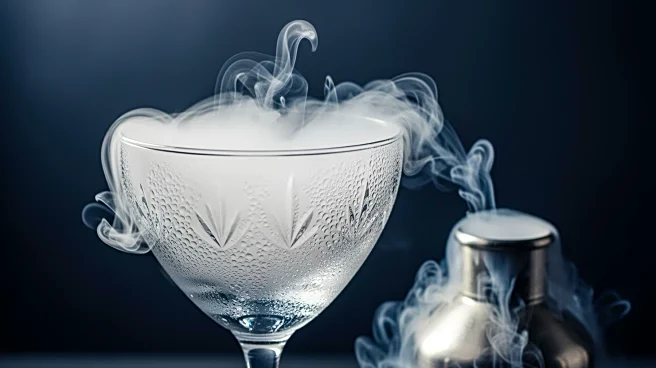
An ER doctor and toxicologist, Dr. Josh Trebach, has issued a warning about the dangers of using liquid nitrogen in cocktails. Liquid nitrogen, often used to create a 'smoking' effect in drinks, poses significant health risks if consumed improperly. The
substance is extremely cold and can cause frostbite upon contact with skin or tissues. If ingested before it has fully evaporated, it can expand in the stomach, potentially causing it to explode. This warning follows a case involving an 18-year-old who suffered a gastric perforation after consuming a drink containing liquid nitrogen. The incident required emergency surgery, including a total gastrectomy, due to the necrotic tissue surrounding the injury site. The use of liquid nitrogen in drinks is not regulated, and many consumers are unaware of the potential dangers.
Why It's Important?
The use of liquid nitrogen in cocktails highlights significant safety concerns in the food and beverage industry. The lack of regulation and consumer awareness can lead to severe health consequences, including life-threatening injuries. This issue underscores the need for stricter guidelines and education regarding the use of hazardous substances in food and drinks. The potential for severe injuries could lead to increased medical costs and legal liabilities for businesses that serve such drinks. Additionally, this situation raises questions about the responsibilities of establishments in ensuring the safety of their offerings.
What's Next?
In response to these incidents, there may be calls for regulatory bodies to implement stricter controls on the use of liquid nitrogen in the food and beverage industry. Establishments might need to provide better training for staff and clearer warnings for consumers. Public health campaigns could be launched to raise awareness about the risks associated with consuming drinks containing liquid nitrogen. Legal actions from affected individuals could also prompt changes in industry practices.
Beyond the Headlines
The use of liquid nitrogen in cocktails reflects broader trends in the food and beverage industry, where visual appeal often takes precedence over safety. This case could lead to a reevaluation of how novelty and aesthetics are balanced with consumer safety. It also highlights the ethical responsibility of businesses to prioritize the well-being of their customers over profit-driven innovations.