



What's Happening?
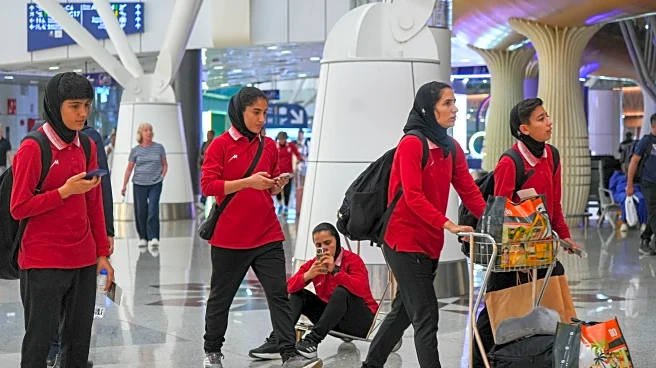
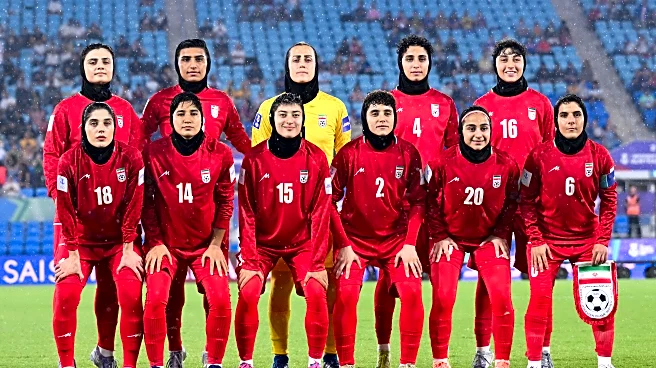
Zahra Ghanbari, the captain of Iran's women's football team, has withdrawn her asylum bid in Australia, becoming the fifth team member to do so. The team participated in the AFC Women's Asian Cup in Australia, where they initially sought asylum due to fears
of punishment for not singing Iran's national anthem. Ghanbari and other team members have decided to return to Iran, with some traveling to Malaysia. Australia's Home Affairs Minister confirmed that asylum was offered to all team members, but several have chosen to return home amid concerns about potential repercussions.
Why It's Important?
The withdrawal of asylum bids by Iranian team members highlights the complex interplay between sports, politics, and human rights. The initial decision to seek asylum was driven by fears of retribution from the Iranian government, reflecting broader issues of political dissent and freedom of expression in Iran. This situation underscores the challenges faced by athletes who use their platform to protest against governmental policies. The international attention on this case may influence future diplomatic relations and human rights advocacy efforts, particularly concerning the treatment of athletes and political dissenters.
What's Next?
As the team members return to Iran, there will be close monitoring of their treatment by the Iranian government. The international community, including human rights organizations, may continue to advocate for their safety and freedom. This case could lead to increased scrutiny of Iran's policies towards athletes and dissenters, potentially impacting future international sporting events and diplomatic engagements. The situation may also prompt discussions on the role of sports in political activism and the responsibilities of host countries in providing asylum to athletes facing persecution.