


What's Happening?
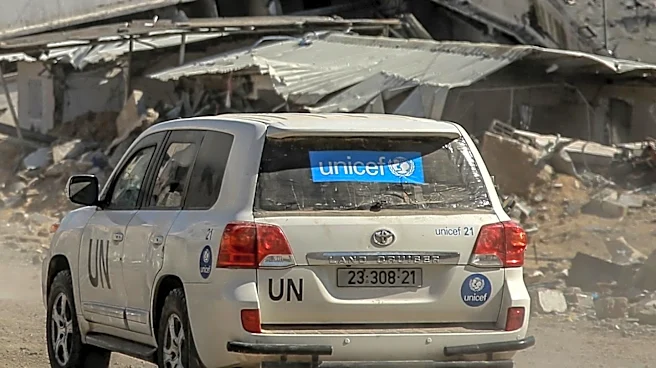
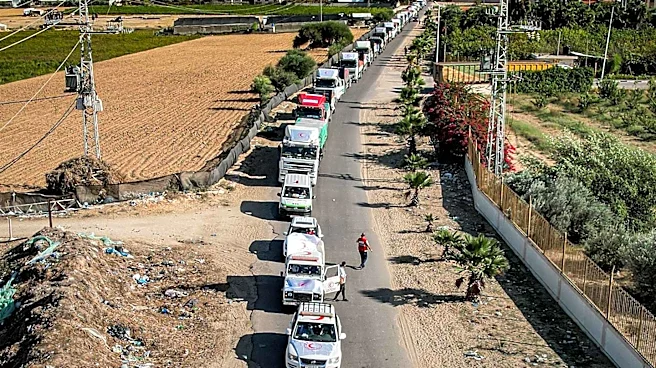
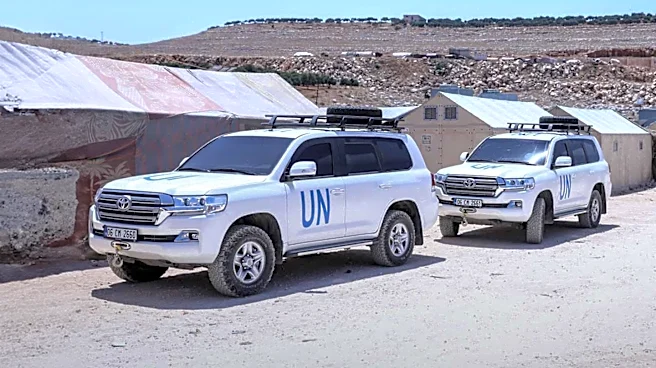
The UN Office for the Coordination of Humanitarian Affairs (OCHA) has reported severe funding shortfalls that are forcing significant cuts to assistance in Somalia. The number of people receiving food assistance has drastically fallen from 1.1 million
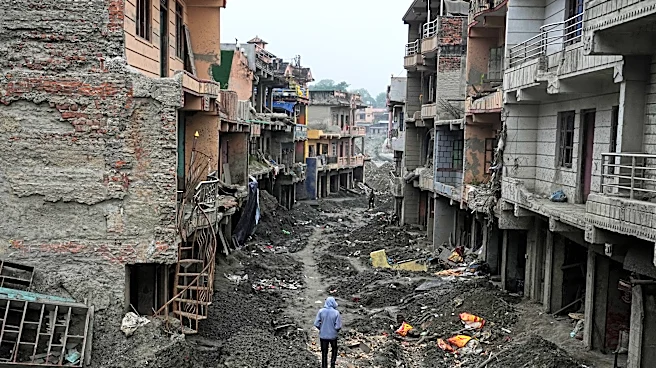
in January to approximately 600,000 in June, primarily due to underfunding. The Somalia humanitarian response plan, which requires 852 million U.S. dollars, is currently only 36 percent funded. These cuts have led to the closure or reduction of services at 233 nutrition sites and 380 health facilities this year. The International Committee of the Red Cross (ICRC) further noted that these aid reductions have resulted in clinic closures and limited access to healthcare, exacerbating the struggles of families already coping with widespread displacement, food shortages, and the anticipation of heavy rainfall.
Why It's Important?
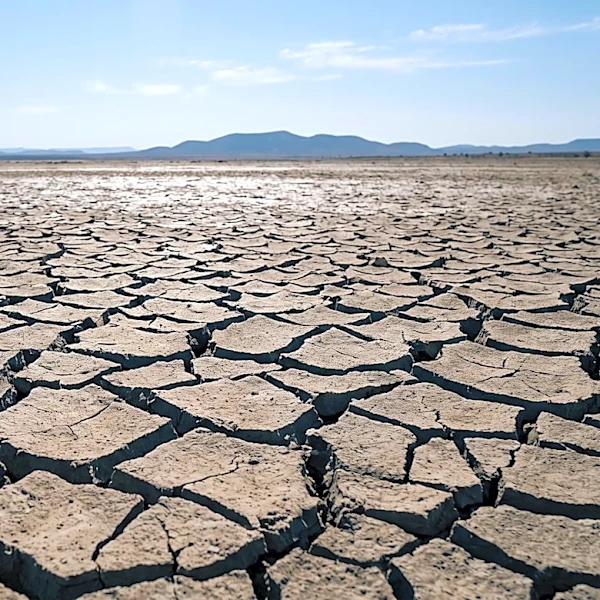
The severe reduction in humanitarian aid to Somalia carries significant implications for the U.S. and the international community. A deepening humanitarian crisis in Somalia, driven by drought, flooding, violence, and now aid cuts, can lead to increased instability in the Horn of Africa. This instability can foster environments conducive to extremist groups, potentially threatening U.S. security interests in the region. Furthermore, a prolonged crisis could trigger larger migration flows, impacting international humanitarian efforts and potentially leading to increased pressure on U.S. foreign aid budgets in the future. The situation also highlights the broader challenge of ensuring accountability and effectiveness in international aid, as past U.S. financial commitments to Somalia have faced scrutiny over alleged waste and diversion, contributing to a reluctance for further major interventions.
What's Next?
The immediate future for Somalia is precarious, with projected El Nino-related flooding expected to displace hundreds of thousands more people by December. The ongoing funding shortfalls mean that humanitarian organizations will continue to struggle to meet the basic needs of the population, potentially leading to a further increase in food insecurity, disease, and displacement. The international community, including the U.S., will face renewed calls for funding, but these appeals will likely be met with continued debate over aid effectiveness and accountability. Without a significant increase in funding and improved mechanisms to ensure aid reaches its intended recipients, the humanitarian situation in Somalia is expected to deteriorate further, posing ongoing challenges for regional stability and international humanitarian policy.
Beyond the Headlines
The crisis in Somalia extends beyond immediate humanitarian concerns, touching upon deeper ethical and policy dilemmas regarding foreign aid. The juxtaposition of acute human need with past allegations of aid diversion creates a complex narrative where humanitarian urgency clashes with demands for fiscal accountability. This situation prompts a re-evaluation of how foreign assistance is structured and monitored to prevent misuse while ensuring timely delivery to vulnerable populations. It also underscores the long-term consequences of climate change and conflict, which disproportionately affect already fragile states, creating a cycle of dependency and crisis. The debate over aid in Somalia reflects a broader global challenge: how to effectively intervene in complex humanitarian emergencies without inadvertently perpetuating governance issues or fueling skepticism among donor nations.