







What's Happening?
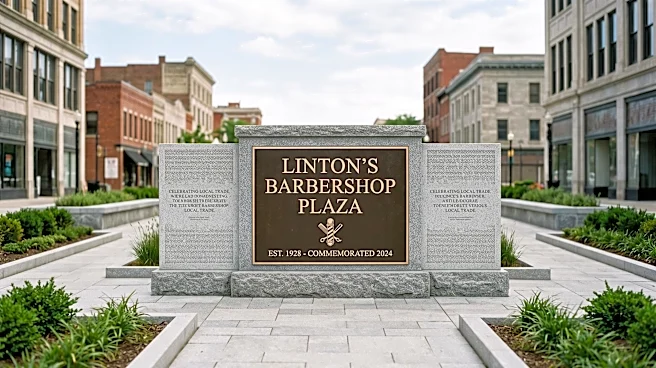
The city of Tuscaloosa has unveiled a new monument on its Civil Rights Trail, dedicated to honoring the Reverend Thomas Linton. The monument, named Linton’s Barbershop Plaza, is situated on the site of the former Howard and Linton Barbershop, a location
of significant historical importance in the city's desegregation efforts. City leaders hosted a ribbon-cutting ceremony to mark the occasion. The plaza features artwork and informational panels that detail the history of the site and Rev. Linton's pivotal role. Rev. Linton, a religious leader and businessman, used his barbershop as a clandestine meeting place for civil rights leaders to strategize the desegregation of Tuscaloosa. Notably, when Autherine Lucy, the first Black student to attempt enrollment at the University of Alabama, was chased by a mob, Linton offered his barbershop as a safe haven. The city invested nearly $1.5 million in the construction of this monument. The president of the Tuscaloosa Civil Rights Foundation indicated that many of Linton’s memorabilia from the barbershop are currently in storage, with plans to bring some back to the site in a future phase of the plaza's development.
Why It's Important?
The unveiling of Linton’s Barbershop Plaza is a significant act of historical recognition and reconciliation for Tuscaloosa. By publicly honoring Rev. Thomas Linton and the role of his barbershop, the city acknowledges a crucial, often overlooked, aspect of its civil rights history. This monument serves as a tangible reminder of the struggles and sacrifices made during the desegregation era, providing an educational resource for current and future generations. It highlights the courage of individuals like Rev. Linton and Autherine Lucy, whose actions paved the way for greater equality. For the community, this monument fosters a deeper understanding of its past, promoting dialogue about civil rights and social justice. As Tuscaloosa City Councilman Joseph Eatmon noted, many communities attempt to conceal their less favorable histories, but Tuscaloosa's decision to openly tell this story demonstrates a commitment to transparency and learning from the past. This initiative can also inspire other cities to confront and commemorate their own civil rights histories, contributing to a broader national narrative of progress and remembrance.
What's Next?
The next phase for Linton’s Barbershop Plaza will involve bringing some of Rev. Thomas Linton’s memorabilia from storage back to the site, which will further enrich the historical narrative presented at the monument. This addition will provide a more personal and authentic connection to the events and individuals involved. The plaza is expected to become a key stop on Tuscaloosa's Civil Rights Trail, attracting visitors and researchers interested in the history of the movement. Educational programs and community events may be organized around the monument to engage residents, particularly younger generations, in learning about civil rights. The city's commitment to telling its story openly suggests that there may be further initiatives to recognize other figures and sites important to the civil rights movement in Tuscaloosa. This ongoing effort will continue to shape the city's identity and its relationship with its past, fostering a more inclusive and informed community.
Beyond the Headlines
The establishment of Linton’s Barbershop Plaza transcends a simple historical marker; it represents a profound act of collective memory and civic responsibility. Barbershops, particularly in the African American community during the Civil Rights era, often served as vital social and political hubs, providing safe spaces for discussion, organizing, and community building. This monument acknowledges that often, the most significant acts of resistance and change originated in everyday places and through the actions of ordinary citizens. By investing in such a monument, Tuscaloosa is not just commemorating history but actively shaping its future narrative, demonstrating a commitment to confronting difficult truths and celebrating the resilience of its citizens. This initiative also highlights the power of local history in contributing to the national understanding of the Civil Rights Movement, reminding us that the struggle for equality was fought and won in countless communities across the country, often in places like a barbershop.