



What's Happening?
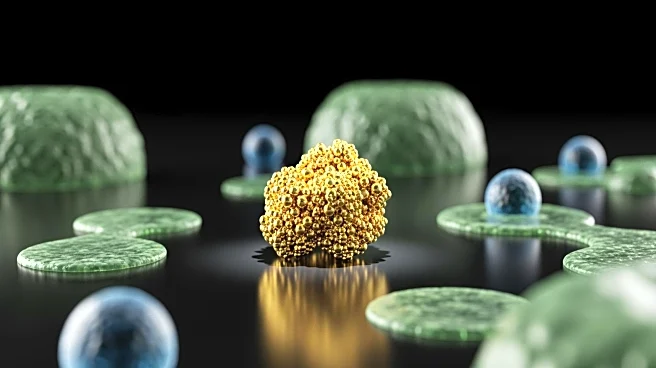
A recent study has explored the use of Coleus forskohlii leaf extract in the biogenic synthesis of gold nanoparticles, which has shown promising results in enhancing anticancer activity against HT-29 colon cancer cells. The research highlights the potential
of using plant-based extracts to create nanoparticles that can improve the efficacy of cancer treatments. The study found that the combination of Coleus forskohlii extract with gold nanoparticles significantly increased the expression of the p53 protein, a crucial tumor suppressor, in cancer cells. This increase in p53 levels is associated with enhanced apoptosis, or programmed cell death, in malignant cells. The research also noted that the nanoparticles could modulate the immune microenvironment within tumors, potentially improving the body's natural defenses against cancer.
Why It's Important?
The findings of this study are significant as they suggest a sustainable and potentially more effective approach to cancer treatment. By using plant-based extracts to synthesize nanoparticles, researchers can avoid the use of toxic chemicals typically involved in nanoparticle production. This method not only aligns with green chemistry principles but also enhances the therapeutic potential of traditional herbal medicines. The ability of these nanoparticles to increase p53 expression and modulate the immune microenvironment could lead to more targeted and less toxic cancer therapies. This research could pave the way for new treatments that leverage the natural properties of plants to combat cancer more effectively.