





What's Happening?
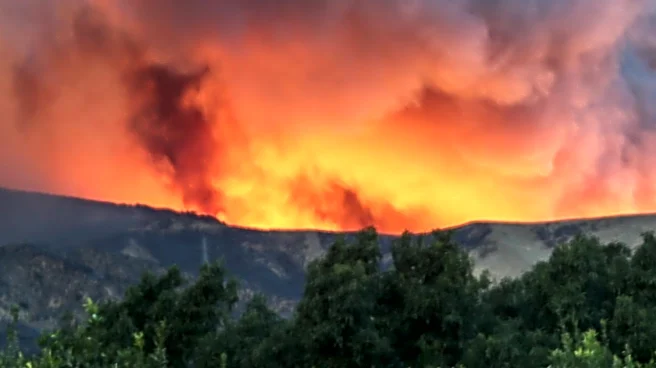
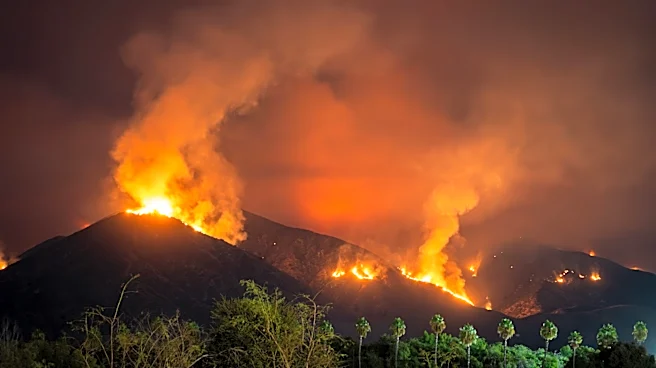
Los Angeles County has filed a lawsuit against State Farm, the state's largest insurance provider, alleging unfair business practices following the January 2025 wildfires in Altadena and Pacific Palisades. The 100-page complaint details widespread mishandling
of claims by policyholders, which has reportedly prevented many homeowners from returning to and rebuilding their neighborhoods. County Supervisor Kathryn Barger stated that wildfire survivors have faced significant delays in processing claims and payments, repeated adjustments to claims, underpayments, inconsistent handling of living expenses, and serious issues with smoke damage claims. The lawsuit, filed in Los Angeles Superior Court, specifically accuses State Farm of violating California's unfair competition and false advertising laws. County Counsel Dawyn Harrison indicated that the legal action seeks injunctive relief to halt these practices, restitution for policyholders, civil penalties, and abatement for ongoing health hazards linked to inadequate testing and remediation.
Why It's Important?
This lawsuit is significant as it highlights potential systemic issues within the insurance industry's response to major natural disasters, particularly wildfires, which are an increasing concern in California. The allegations of mishandled claims could have profound implications for thousands of policyholders who rely on their insurance to recover and rebuild after devastating events. If the county's claims are substantiated, it could set a precedent for how insurance companies are held accountable for their practices during disaster recovery, potentially leading to stricter regulations and greater consumer protections. The case also underscores the financial and emotional toll on communities affected by wildfires, as homeowners struggle with instability and prolonged displacement due to insurance disputes. The outcome could influence future insurance policies and claims processes across the state, impacting both insurers and policyholders.
What's Next?
State Farm has stated that it strongly disagrees with Los Angeles County’s characterization of its wildfire claims response and will review the lawsuit to respond through the appropriate legal process. The company asserts that its focus remains on helping customers recover, having paid over $6.2 billion in claims related to the 2025 Los Angeles wildfires, including approximately $1 billion for smoke-related damage, and has closed about 78% of claims. State Farm also noted that insurance practices in California are regulated by the California Department of Insurance, with whom they cooperated fully during a review of their wildfire claims response. This lawsuit follows a similar action filed by the state Department of Insurance in May, which also alleged mishandling of claims and could potentially result in State Farm temporarily losing its license to operate in California. The county's lawsuit, however, uniquely seeks restitution for policyholders, which the state's lawsuit does not. The legal proceedings will likely involve extensive discovery and potentially a trial, with the possibility of appeals, prolonging the resolution for affected homeowners.
Beyond the Headlines
Beyond the immediate legal battle, this case touches upon broader societal challenges related to climate change and its impact on housing and economic stability. As wildfires become more frequent and intense, the ability of insurance companies to adequately respond and the regulatory frameworks governing them are under increasing scrutiny. The lawsuit could expose vulnerabilities in current insurance models and prompt a reevaluation of how risk is assessed and managed in disaster-prone areas. Furthermore, the struggle of homeowners like Gita Murthy, who remains displaced due to ongoing insurance issues, highlights the human cost of these disputes. The outcome could influence public trust in insurance providers and potentially lead to legislative changes aimed at ensuring more equitable and efficient claims processing for future disaster victims. It also raises questions about the long-term viability of homeownership in high-risk zones and the role of government in supporting recovery efforts when private insurance falls short.