







What's Happening?
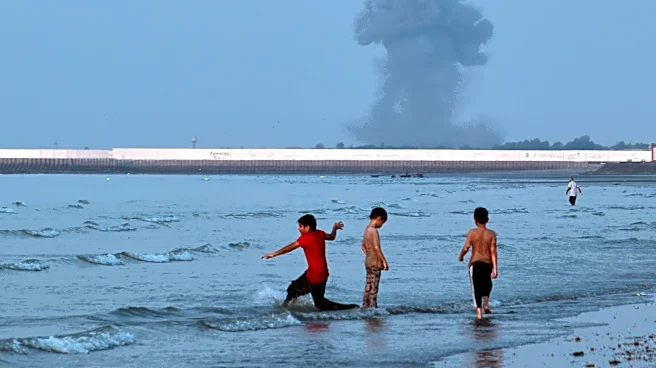
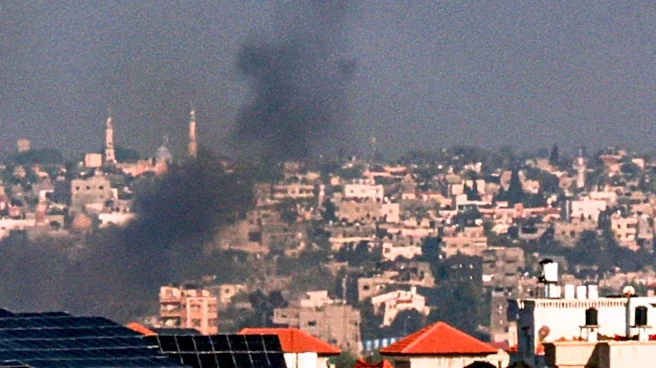
The ongoing conflict between the United States and Iran has intensified, with both nations engaging in a series of military strikes. President Trump has ordered U.S. forces to target Iranian military sites, while Iran has retaliated by launching missile
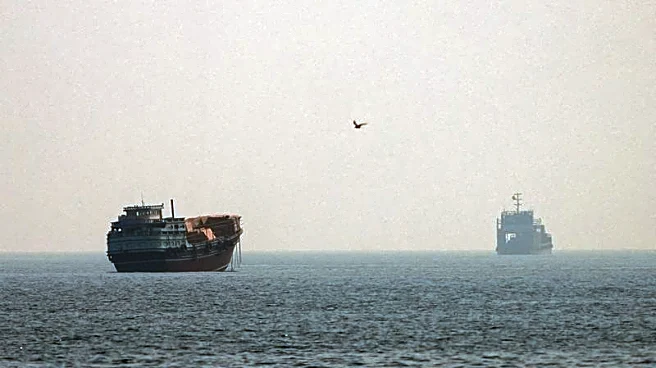
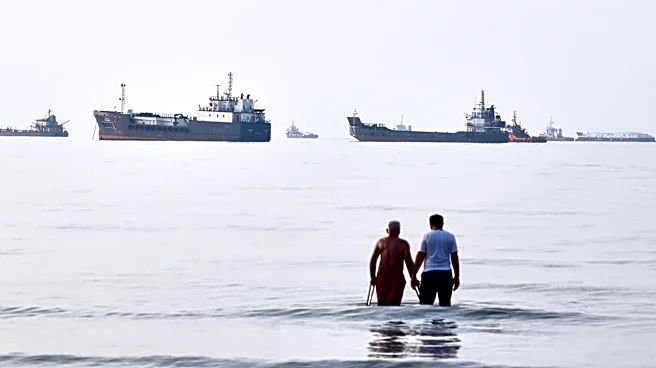
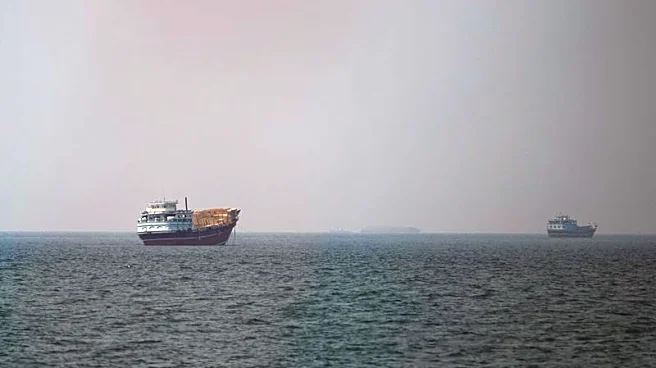
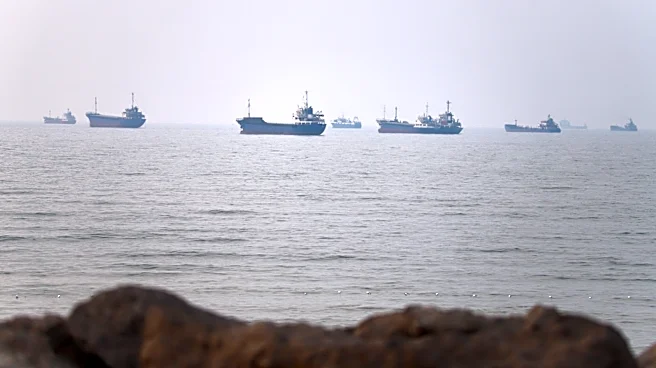
attacks on U.S. bases and allies in the region. This escalation follows a breakdown in diplomatic efforts, with a previously signed memorandum of understanding now in jeopardy. The conflict has also impacted the Strait of Hormuz, a vital oil transit route, where Iran has exerted control, affecting global oil supply routes.
Why It's Important?
The renewed hostilities between the U.S. and Iran have significant implications for global oil markets and regional stability. The Strait of Hormuz is a critical chokepoint for oil transportation, and disruptions there can lead to increased oil prices worldwide. The conflict also poses a challenge for President Trump, as rising tensions could affect his political standing domestically, especially with upcoming elections. The situation underscores the complexities of U.S.-Iran relations and the difficulties in achieving a lasting diplomatic resolution.
What's Next?
The continuation of military actions suggests that both the U.S. and Iran are preparing for a prolonged conflict. President Trump may face increasing pressure to find a diplomatic solution, but with trust eroded, negotiations remain challenging. The international community may seek to mediate, but the entrenched positions of both nations complicate potential resolutions. The U.S. military's strategic decisions in the region will be closely watched, as will Iran's responses, which could further escalate or de-escalate the situation.