








What's Happening?
The University at Albany has been awarded a $500,000 federal grant from the Substance Abuse and Mental Health Services Administration (SAMHSA). This four-year grant will fund Project REACH (Resilience through Engagement, Access, Collaboration, and Hope),
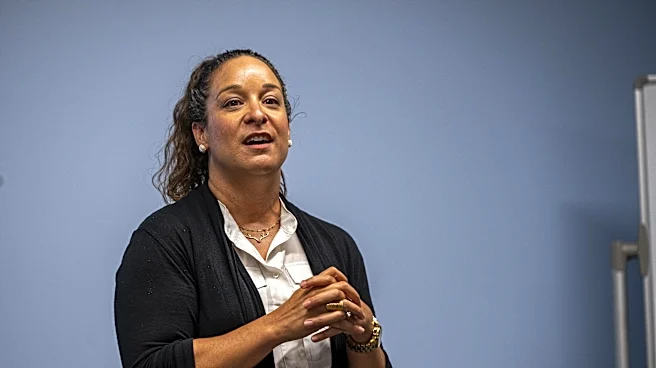
an initiative aimed at creating a more coordinated, campus-wide approach to suicide prevention and student mental health. The project is led by Jessica Martin, interim director of the Center for Behavioral Health Promotion and Applied Research (CBHPAR), in collaboration with Vivian Wilson-Hwang and Karen Carusone from UAlbany’s Counseling and Psychological Services (CAPS). Project REACH will serve approximately 18,000 undergraduate and graduate students, with a specific focus on those at risk for suicide, depression, substance use, and those in recovery. A key component is the establishment of a new Campus Behavioral Health Collaborative, which will unite various departments and programs supporting student well-being to develop a comprehensive plan encompassing outreach, training, crisis response, and postvention strategies. The university has observed a growing demand for mental health services and an increase in the severity of student mental health concerns.
Why It's Important?
This federal grant is crucial for addressing the rising mental health challenges faced by college students nationwide, including those at the University at Albany. By fostering a coordinated campus-wide approach, Project REACH aims to break down existing silos between departments, ensuring students can access appropriate resources more efficiently. The initiative's focus on early intervention through expanded screening programs like SBIRT (Screening, Brief Intervention, and Referral to Treatment) is vital for identifying at-risk students before their conditions escalate. Furthermore, training faculty and staff through programs like UAlbany’s C.A.R.E.S. will empower more individuals within the university community to recognize warning signs and connect students with professional help, thereby reducing the burden on specialized mental health services and potentially preventing tragic outcomes. The grant also emphasizes reducing stigma around mental health, which is essential for encouraging students to seek help without fear of judgment.
What's Next?
Over the next four years, Project REACH will implement several key strategies. The Campus Behavioral Health Collaborative will develop and refine a comprehensive plan for student well-being. The university plans to screen 250 students annually through the expanded SBIRT program, aiming for a 30% increase in referrals to behavioral health services. Additionally, 200 individuals each year will receive C.A.R.E.S. training to enhance their ability to support students in distress. A campus-wide awareness campaign utilizing social media, digital advertising, and outreach events will aim to reach 1,200 people annually to reduce stigma. CAPS will also distribute a guide for faculty and staff on supporting students. The project will conduct annual needs assessments and develop a sustainability plan to ensure effective practices continue beyond the grant period, indicating a long-term commitment to student mental health at UAlbany.
Beyond the Headlines
The University at Albany's proactive approach, supported by this federal grant, reflects a broader national recognition of the mental health crisis on college campuses. This initiative goes beyond immediate crisis intervention by focusing on prevention, early detection, and fostering a supportive campus culture. The emphasis on training non-clinical staff and faculty highlights a shift towards a community-wide responsibility for student well-being, acknowledging that mental health support extends beyond traditional counseling services. This model could serve as a blueprint for other universities grappling with similar challenges, demonstrating the effectiveness of integrated, collaborative approaches. The long-term impact could include not only a reduction in suicide rates and mental health crises but also the creation of a more resilient and supportive academic environment, ultimately enhancing student success and overall campus health.