






What's Happening?
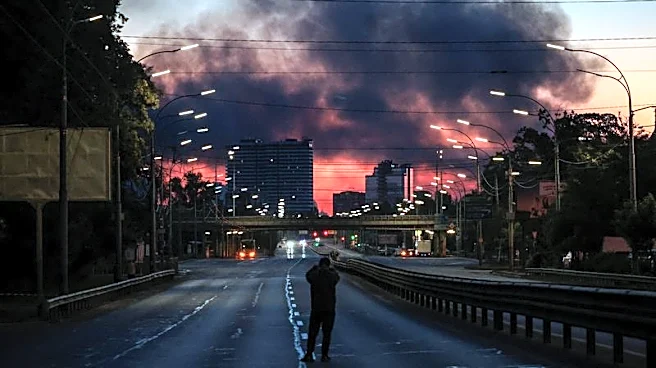
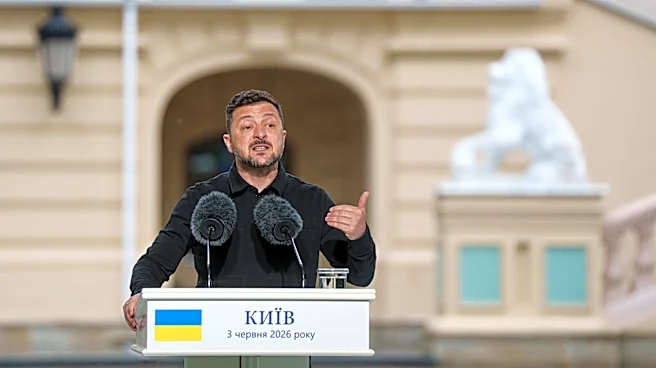
The United Nations Security Council is set to hold an emergency session on Monday to address the recent large-scale Russian attack on Ukraine. This meeting, requested by Kyiv, follows a significant aerial assault by Russia that targeted Ukrainian cities,
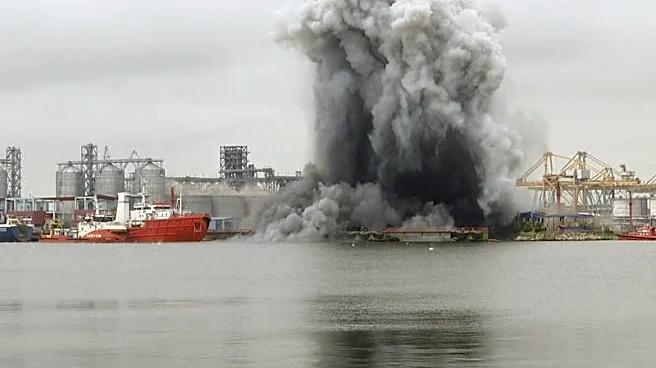
including residential areas and energy facilities. Ukrainian Foreign Minister Andrii Sybiha emphasized the need for sustained international pressure on Russia, highlighting the attack as a choice of escalation over peace. The assault involved 729 aerial weapons, with Ukrainian defenses intercepting most but not all, resulting in casualties and destruction in cities like Kyiv and Dnipro. Kyiv is urging international partners to provide stronger support, including air defense systems and tougher sanctions against Russia.
Why It's Important?
The emergency session underscores the ongoing geopolitical tensions and the international community's role in addressing conflicts. The situation in Ukraine has significant implications for global security and diplomatic relations, particularly between Western nations and Russia. The outcome of this session could influence international policies and the level of support Ukraine receives. It also highlights the challenges faced by the UN in maintaining peace and security, as well as the potential for increased sanctions and military aid to Ukraine. The session's decisions could impact global energy markets and international relations, especially in Europe.
What's Next?
The UN Security Council's decisions could lead to increased diplomatic and military support for Ukraine. There may be further discussions on sanctions against Russia and the provision of advanced defense systems to Ukraine. The international community will likely continue to monitor the situation closely, with potential implications for NATO and EU policies. The session could also influence future diplomatic engagements between Russia and Western nations, potentially affecting global geopolitical dynamics.