






What's Happening?
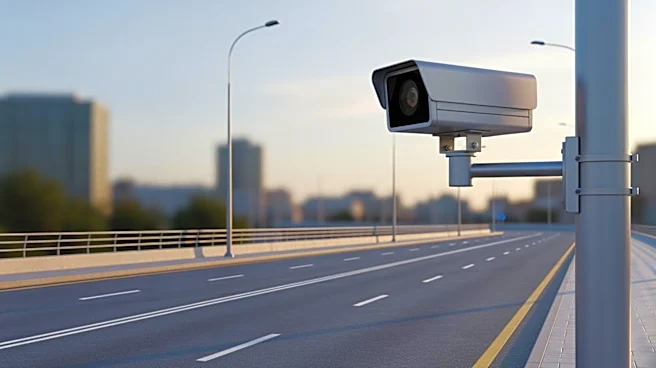
A new bill in the Hawaii state legislature proposes the use of traffic cameras to monitor vehicle registration and safety checks at high-risk intersections. The measure, which has passed the Senate Ways and Means Committee, aims to implement automated
license plate recognition (ALPR) technology to track expired registrations and safety checks, as well as common traffic infractions like red light violations and speeding. The state Department of Transportation supports the bill, citing the need for safer roads following a record number of traffic fatalities in 2025. Fines for non-compliance could range from $75 to $200, with the possibility of waiving fees if issues are resolved within 30 days. The bill is set to be heard by the full senate floor.
Why It's Important?
The proposed legislation could significantly impact traffic law enforcement in Hawaii by enhancing the state's ability to monitor and enforce vehicle compliance. The use of ALPR technology is seen as a step towards improving road safety, potentially reducing accidents and fatalities. However, the measure has raised concerns about privacy and the potential for increased surveillance. Critics argue that the widespread use of traffic cameras could disproportionately affect under-resourced communities and infringe on privacy rights. The bill's outcome could set a precedent for similar measures in other states, influencing national discussions on traffic enforcement and privacy.
What's Next?
The bill will be presented to the full senate floor for further debate and voting. If passed, it could lead to the installation of traffic cameras at designated high-risk intersections across Hawaii. The implementation of this technology may prompt reactions from civil rights groups and privacy advocates, who could challenge the measure on legal grounds. Additionally, the state may need to address public concerns about the potential for increased traffic citations and the impact on insurance premiums.
Beyond the Headlines
The introduction of traffic cameras raises broader questions about the balance between public safety and individual privacy. The potential for mass surveillance through ALPR technology could lead to legal challenges and public debate about the ethical implications of such measures. The bill also highlights the ongoing tension between technological advancements in law enforcement and the protection of civil liberties.