
What's Happening?
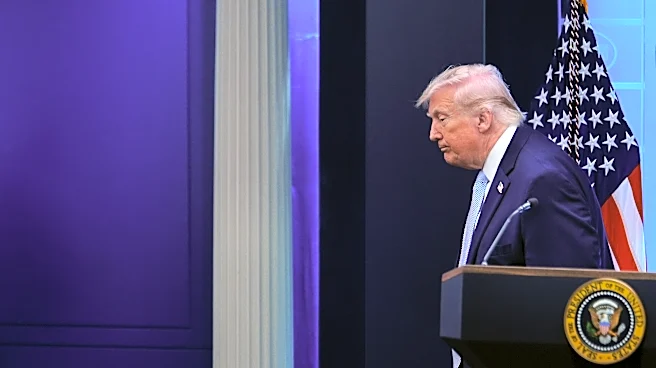
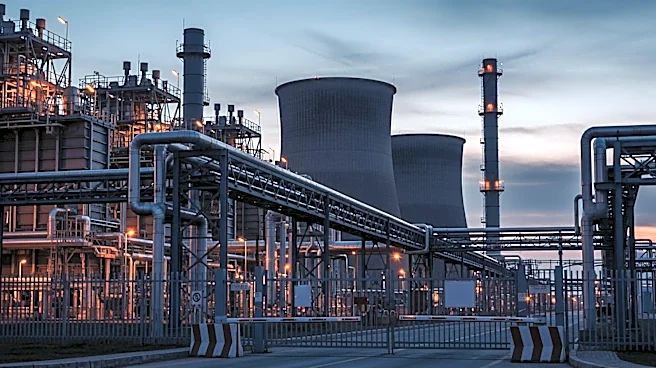
Iran has called on its youth to form human chains around power plants in response to President Trump's threats to destroy the country's energy infrastructure. This move comes as tensions escalate over
the reopening of the Strait of Hormuz. Iranian officials have urged students, artists, and athletes to participate in this protective measure, highlighting the importance of these facilities to the nation's future. The call to action is part of a broader strategy to resist U.S. pressure and demonstrate national unity. President Trump has warned of severe consequences if Iran does not comply with U.S. demands, further heightening the stakes in this geopolitical standoff.
Why It's Important?
The mobilization of Iranian youth to protect critical infrastructure underscores the high stakes involved in the U.S.-Iran conflict. This development highlights the potential for civilian involvement in military conflicts, raising ethical and humanitarian concerns. The situation also reflects the broader geopolitical tensions in the region, with implications for international relations and energy security. The Strait of Hormuz is a vital corridor for global oil shipments, and any disruption could have significant economic repercussions. The international community is closely watching these developments, given their potential to affect regional stability and global markets.
What's Next?
As the deadline set by President Trump approaches, the likelihood of military action increases if Iran does not meet U.S. demands. This could lead to a broader conflict involving regional and global powers. Diplomatic efforts may intensify to prevent further escalation, with potential involvement from international organizations and other nations. The situation remains fluid, and the coming days will be critical in determining the future of U.S.-Iran relations and the broader geopolitical landscape in the Middle East.