




What's Happening?
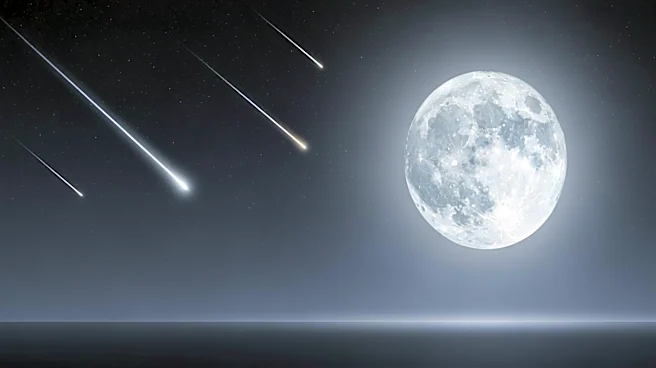
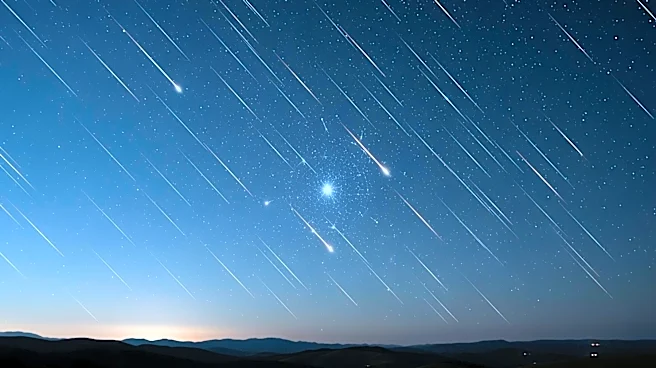
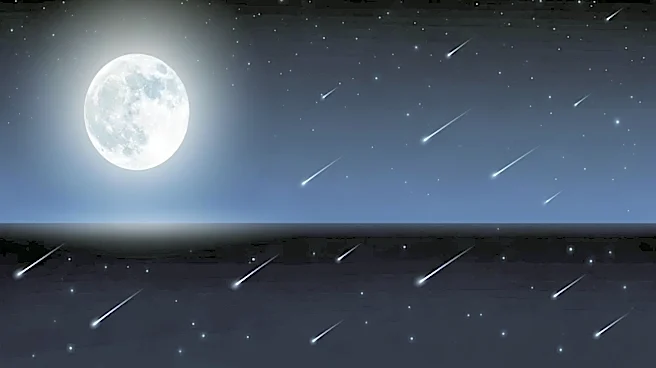
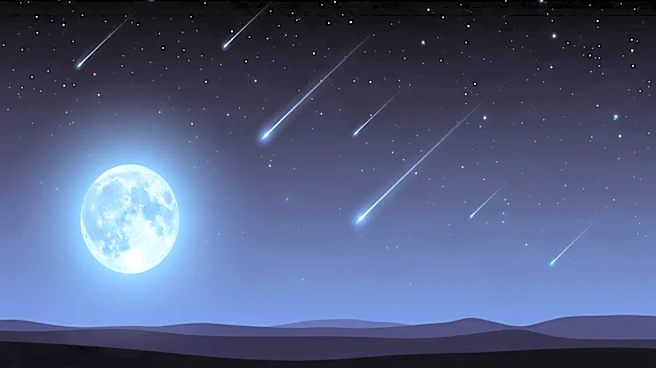
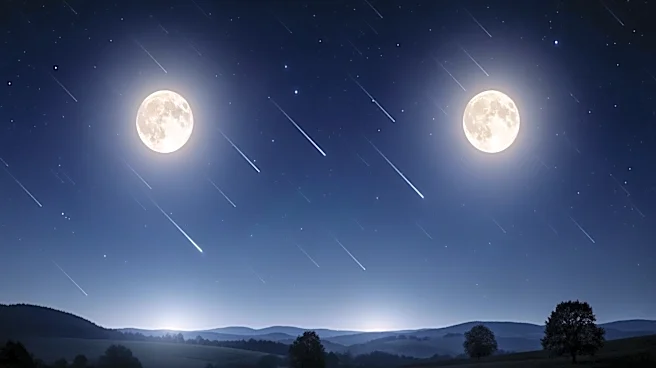
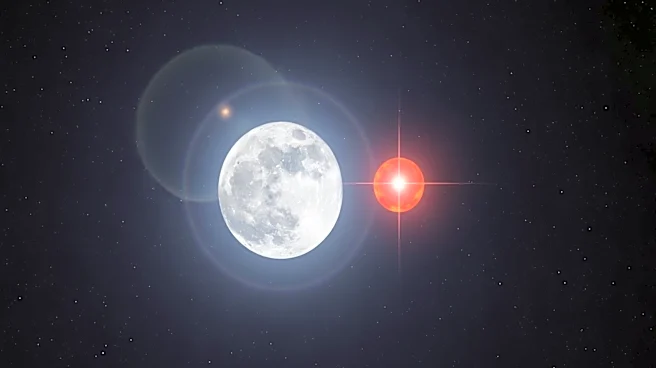
The Eta Aquarid meteor shower, which peaks on May 6, 2026, is expected to be less visible this year due to the bright light of a waning gibbous moon. The meteor shower, linked to Halley's Comet, typically offers a spectacular display of shooting stars,
especially in the Southern Hemisphere. However, the moon's brightness, at 81% illumination, is likely to obscure many of the fainter meteors. The Eta Aquarids are known for their long streaks of light, which appear to emanate from the constellation Aquarius. Historically, the shower was first noted in the late 19th century, with its connection to Halley's Comet established by astronomers soon after.
Why It's Important?
The Eta Aquarid meteor shower is a significant event for astronomers and skywatchers, offering a chance to observe remnants of Halley's Comet. The visibility of such meteor showers can influence public interest in astronomy and space science. The reduced visibility this year due to the moon's brightness may impact the number of observers and the overall experience. This event highlights the challenges faced by astronomers in predicting and observing celestial phenomena, which can be affected by various natural factors such as moonlight and weather conditions.
What's Next?
Skywatchers are advised to seek dark locations away from city lights to improve their chances of seeing the meteor shower. Observers in the Southern Hemisphere are likely to have better visibility compared to those in the Northern Hemisphere. Despite the challenges, there is still a possibility of witnessing 'Earthgrazers,' which are bright meteors that skim the Earth's atmosphere. These meteors can provide a memorable experience for those who manage to spot them.