





What's Happening?
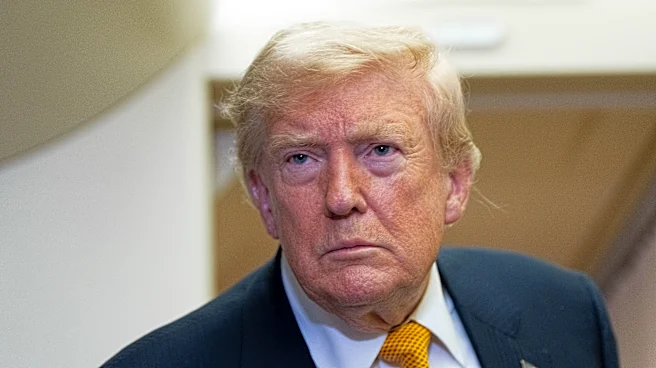
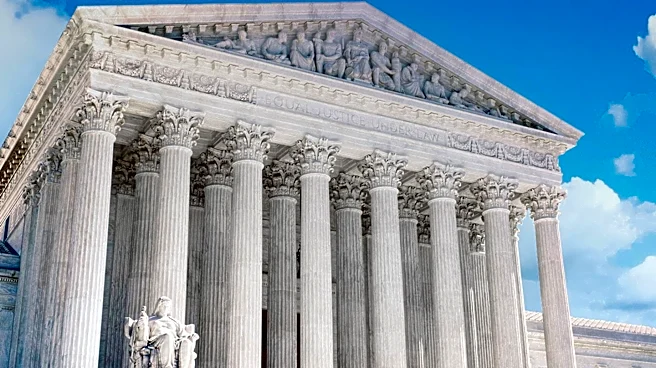
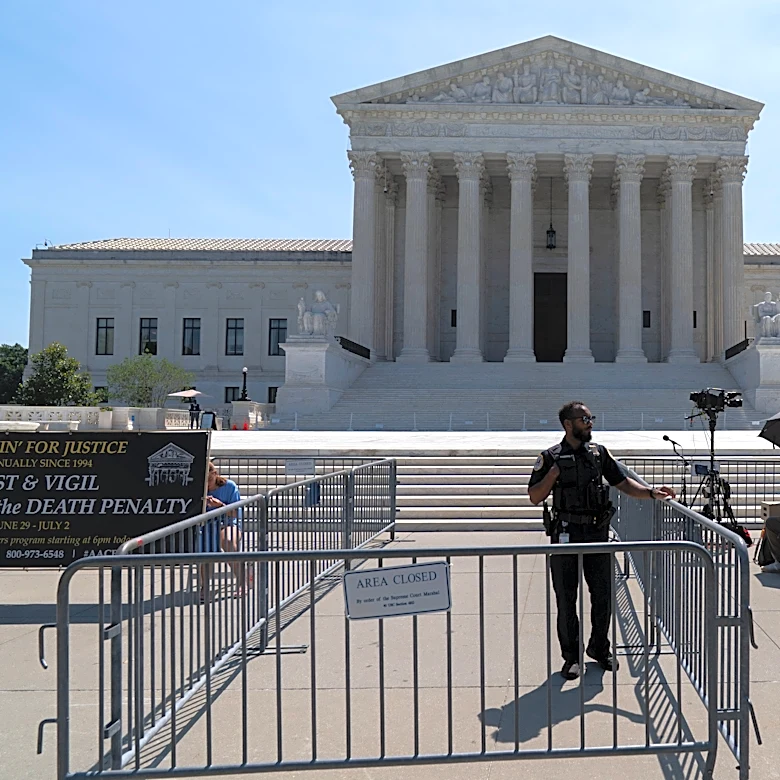
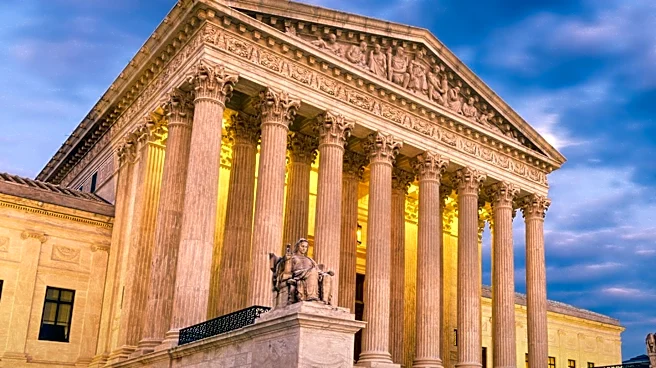
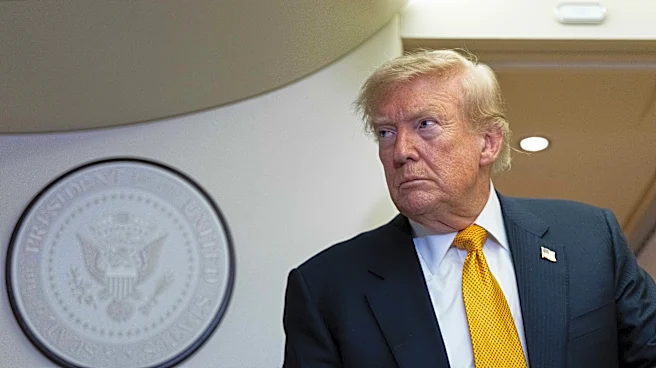
President Trump is pursuing a rehearing after the Supreme Court invalidated his order limiting automatic U.S. citizenship for children born on American soil. The court's decision, which was a 5-4 ruling, affirmed that nearly all children born in the U.S. are
citizens, citing the 14th Amendment. Trump's directive had required at least one parent to be a citizen or lawful permanent resident for a newborn to qualify. Legal experts suggest that the chances of the court granting a rehearing are slim, as such motions are rarely approved.
Why It's Important?
The Supreme Court's decision has significant implications for U.S. immigration policy and the interpretation of the 14th Amendment. Trump's push for a rehearing highlights ongoing debates over birthright citizenship and the legal framework governing immigration. The outcome of this case could affect millions of individuals and families, shaping the future of U.S. citizenship laws. Additionally, the case underscores the broader political and legal challenges facing the Trump administration as it seeks to implement its immigration agenda.
What's Next?
While the likelihood of a rehearing is low, the Trump administration may continue to explore other legal avenues to challenge the Supreme Court's decision. This could involve legislative efforts or further executive actions aimed at altering immigration policies. The case may also influence public discourse and political debates on immigration, potentially impacting upcoming elections and shaping the priorities of policymakers.