




What's Happening?
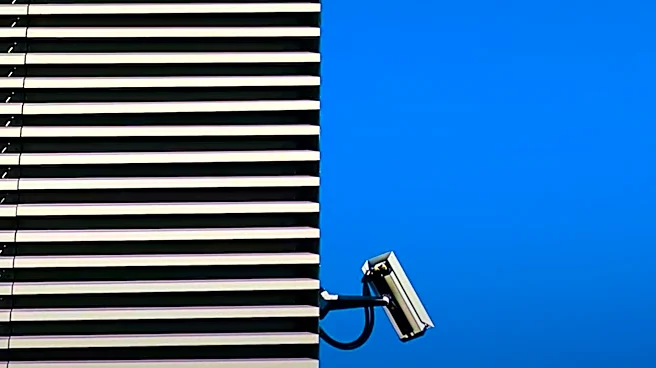
A protest was held in the Fargo-Moorhead area against the use of Flock cameras by local law enforcement. Protesters gathered near intersections where these cameras are installed, expressing concerns about mass surveillance and the potential for wrongful
arrests. This demonstration marks the second protest against Flock cameras in the past week. Avery Cagle, a protester, highlighted that even a 4% error rate in cases could lead to innocent people being detained at gunpoint, emphasizing that such situations should be avoided. The protest took place despite rainy weather, indicating the strong sentiments of the participants regarding the privacy and civil liberties implications of the camera system.
Why It's Important?
The protests against Flock cameras in Fargo-Moorhead underscore a growing national debate regarding the balance between public safety and individual privacy in the age of advanced surveillance technology. While law enforcement agencies often deploy these cameras to aid in crime prevention and investigation, concerns about their potential for mass surveillance and the accuracy of their data are significant. The possibility of wrongful arrests, as articulated by protesters, highlights the real-world impact on citizens' lives and civil liberties. This issue is important because it reflects a broader societal tension over how technology is integrated into policing and the extent to which citizens are willing to trade privacy for perceived security. The outcome of such debates in local communities like Fargo-Moorhead could influence policies and public acceptance of similar technologies nationwide.
What's Next?
The ongoing protests suggest that public scrutiny of Flock cameras and similar surveillance technologies will likely continue in Fargo-Moorhead. Local law enforcement agencies may face increased pressure to address the concerns raised by protesters, potentially leading to public forums, policy reviews, or increased transparency regarding the use and data handling practices of these cameras. The debate could also prompt local legislative bodies to consider ordinances or regulations governing the deployment and use of surveillance technology. Depending on the response from authorities and the persistence of activist groups, this issue could escalate into broader legal challenges or become a significant factor in local elections, as citizens demand accountability and protection of their privacy rights.
Beyond the Headlines
The controversy surrounding Flock cameras extends beyond immediate concerns about privacy and wrongful arrests, touching upon deeper implications for democratic governance and the future of policing. The widespread adoption of such technologies can create a 'chilling effect' on public assembly and free speech, as individuals may feel constantly monitored. Furthermore, the data collected by these cameras, even if anonymized, could potentially be aggregated and used for purposes beyond crime fighting, raising questions about data security, potential misuse, and the erosion of civil liberties over time. The debate also highlights the need for robust oversight mechanisms and clear ethical guidelines for the use of AI-powered surveillance tools to prevent algorithmic bias and ensure equitable application of the law. This local protest is a microcosm of a larger national conversation about the kind of society we want to build with emerging technologies.