






What's Happening?
Social engineering and phishing continue to be prevalent threats in U.S. workplaces, manipulating individuals into divulging confidential information or performing unsafe actions. Social engineering encompasses a broad range of tactics, including pretexting,
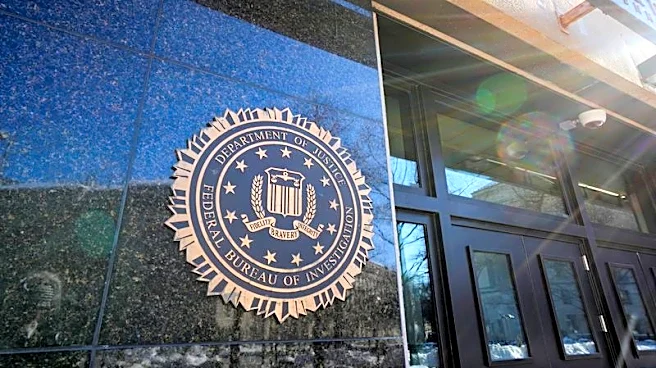
baiting, impersonation, and tailgating, which can occur through various channels like phone calls, in-person requests, or digital messages. Phishing, a specific type of social engineering, uses deceptive communications or websites to trick targets into sharing information, sending money, or opening malicious links. The FBI's 2025 Internet Crime Report recorded 191,561 phishing or spoofing complaints and 24,768 business email compromise (BEC) complaints, with reported BEC losses around $3.05 billion. These attacks often leverage urgency, impersonation of trusted contacts (like IT support or managers), or appealing offers to bypass normal security protocols. Modern techniques, including AI-generated audio and messages, are making these attacks more convincing and harder to detect.
Why It's Important?
The pervasive nature of social engineering and phishing attacks has significant implications for U.S. businesses and their employees. These attacks can lead to severe financial losses, data breaches, and reputational damage. Employees, often the primary target, can inadvertently become entry points for attackers, highlighting the critical need for robust cybersecurity awareness training. The FBI's reported losses from BEC alone underscore the substantial economic impact. Beyond financial costs, these incidents can disrupt operations, compromise sensitive data, and erode trust within organizations. The increasing sophistication, particularly with AI integration, means that traditional security measures focused solely on technical vulnerabilities are insufficient; a strong human defense layer is equally vital. The ability of attackers to exploit human psychology makes these threats particularly challenging to mitigate, requiring continuous vigilance and education across all levels of an organization.
What's Next?
Organizations must prioritize comprehensive employee training to recognize and respond to social engineering and phishing attempts. This training should cover common tactics, such as unexpected requests for sensitive information, changes to payment details, or urgent demands to act. Employees are advised to pause before acting on suspicious requests, verify them through trusted channels (not relying on contact information within the suspicious message), and report any suspicious activity to their organization's IT or security team. If an employee clicks a malicious link or shares information, prompt reporting is crucial to enable the organization to secure accounts and limit further harm. For payment changes or urgent transfers, independent verification through known contact methods is recommended. The FTC advises businesses to ensure employees know how to report suspicious emails and phishing attempts effectively.
Beyond the Headlines
The ongoing battle against social engineering and phishing underscores a fundamental challenge in cybersecurity: the human element remains the most vulnerable link. While technological advancements provide stronger defenses, attackers continuously adapt by exploiting human psychology, trust, and urgency. This dynamic creates an ethical imperative for organizations to not only protect their systems but also empower their employees with the knowledge and tools to resist manipulation. The rise of AI in crafting more believable scams suggests a future where the line between legitimate and fraudulent communications will blur further, demanding a more critical and skeptical approach to all digital interactions. This also highlights the need for a cultural shift within workplaces, where reporting potential security incidents is encouraged without fear of reprisal, fostering a collective defense against these evolving threats.