






What's Happening?
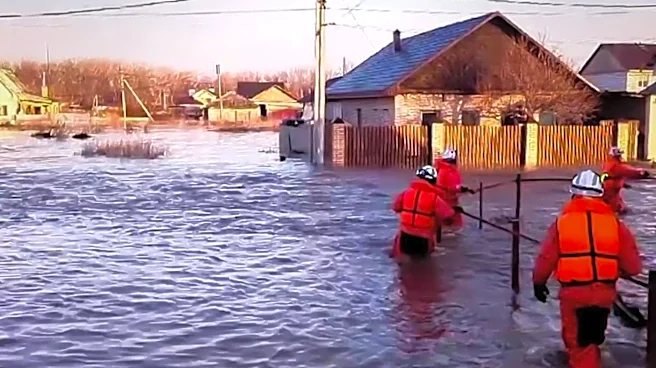
Severe storms in west El Paso, Texas, have led to significant flooding, a water main washout, and the displacement of 16 households in the Dawnlight area. The Anthony Water & Sanitation District reported that heavy rain and flooding damaged water lines
in the Enchanted Street and Peppers areas, causing customers in the Desert Aire system to lose service and others to experience low water pressure. The city's Office of Emergency Management elevated its status to Level 3, Increased Readiness, in response to the widespread damage. Rescue teams were deployed across the city as a precautionary measure. District 1 City Rep. Alejandra Chavez was present in the Dawnlight area, offering support to affected residents and coordinating with first responders and city crews. The Red Cross and Sun Metro assisted with evacuations, and El Paso Water utilized vacuum trucks to remove standing water from flooded zones. A vehicle rescue was also reported on South Desert Boulevard, with no injuries confirmed.
Why It's Important?
This incident highlights the increasing vulnerability of U.S. infrastructure and communities to extreme weather events, which are becoming more frequent and intense due to rising average temperatures and warming oceans. The disruption of essential services like water supply and the displacement of residents underscore the immediate and tangible impacts on daily life and public safety. For local governments and utility providers, such events necessitate robust emergency response plans and resilient infrastructure investments. The involvement of multiple agencies, including the Red Cross, Sun Metro, and El Paso Water, demonstrates the collaborative effort required to manage and mitigate the effects of natural disasters. Economically, these events can lead to significant costs for repairs, emergency services, and potential long-term recovery efforts for affected households and businesses. The incident also brings attention to the broader national conversation about climate change adaptation and infrastructure resilience in the face of evolving environmental challenges.
What's Next?
Crews from the Anthony Water & Sanitation District planned to repair the broken water main on Sunday, October 25, with full service expected to be restored by 5 p.m. on the same day. Bottled water was made available to affected residents starting at 9 a.m. on October 25. The Office of Emergency Management will likely continue to monitor weather conditions and assess the full extent of the damage to infrastructure and private property. Local authorities will also focus on supporting the displaced households, ensuring they have safe accommodations and access to necessary resources. In the longer term, this event may prompt discussions among city officials and utility providers regarding infrastructure upgrades and enhanced flood mitigation strategies to better prepare for future severe weather. Community leaders and residents may also advocate for increased funding and resources to bolster local resilience against climate-related impacts.
Beyond the Headlines
The El Paso flooding incident is a microcosm of a larger national challenge: adapting to a changing climate. Beyond the immediate repairs and relief efforts, there are deeper implications concerning urban planning, environmental justice, and public policy. Communities in vulnerable areas, often those with older infrastructure or lower-income populations, disproportionately bear the brunt of such disasters. This event could spark renewed calls for federal and state investment in climate-resilient infrastructure, including updated water systems and improved flood defenses. It also raises questions about the adequacy of current emergency preparedness protocols and the need for more proactive, rather than reactive, disaster management. The human element of displacement and loss of essential services can have lasting psychological and economic effects on individuals and families, highlighting the critical need for comprehensive support systems and long-term recovery planning that extends beyond immediate crisis response.