




What's Happening?
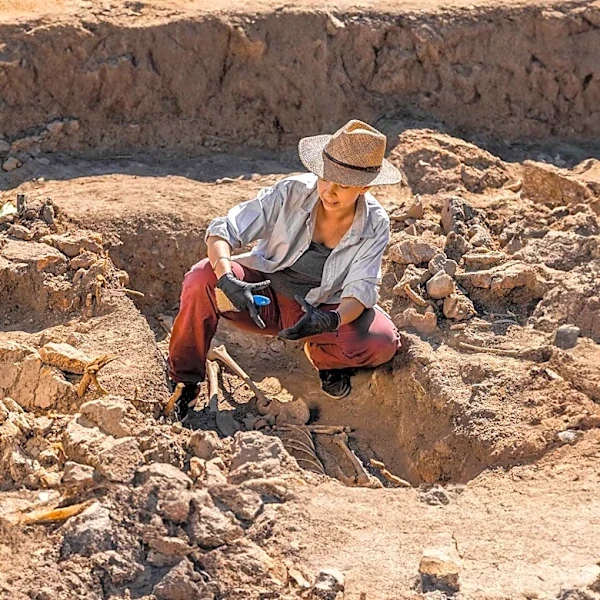
The Royal Commission for AlUla (RCU) has initiated its 2026–2027 archaeology season across the AlUla and Khaybar regions. This season builds upon previous years of extensive archaeological research, excavation, documentation, and conservation efforts.
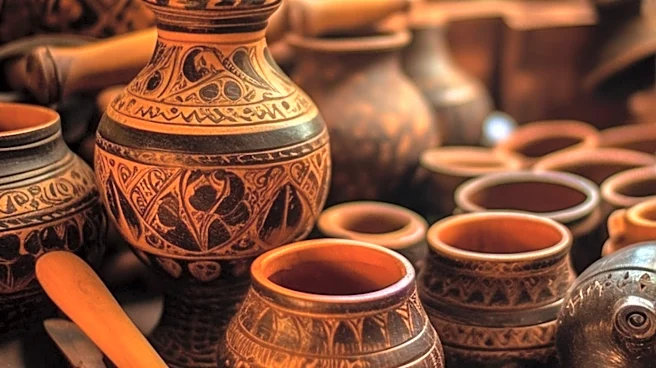
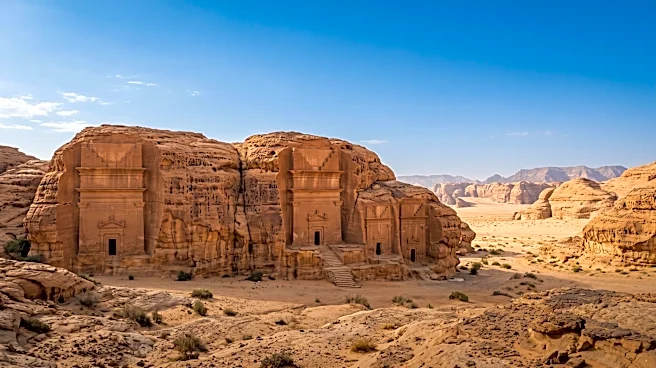
The program is structured around several key research themes, including the early human presence in the region, the study of ancient Arabian kingdoms and oasis societies, and the historical routes of movement and pilgrimage. Other areas of focus include environmental history, water management systems like qanats, and the rich written heritage of AlUla, which boasts over 25,000 recorded inscriptions. Researchers are also examining material culture and daily life aspects, utilizing specialist studies of animal remains and ceramics to gain a deeper understanding of past communities and civilizations. The Hegra archaeological site, a UNESCO World Heritage Site known for its Nabataean rock-cut tombs, is open to visitors with guided tours available through the RCU’s tourism platform.
Why It's Important?
This archaeological season is crucial for deepening the understanding of northwest Arabia's historical, linguistic, and cultural interactions. The extensive collection of over 25,000 inscriptions in AlUla provides invaluable primary data for historical linguistics and the study of ancient societies. The research into early human presence and ancient kingdoms sheds light on the foundational periods of civilization in the Arabian Peninsula, offering insights into human adaptation to arid environments and the development of complex societies. Furthermore, the focus on environmental history and water management systems, such as qanats, is particularly relevant today, as it can inform contemporary approaches to sustainable resource management in similar arid regions. The ongoing work at sites like Hegra, Saudi Arabia's first UNESCO World Heritage Site, not only preserves global heritage but also promotes cultural tourism, contributing to the local economy and fostering international appreciation for the region's rich past.
What's Next?
The ongoing archaeological season is expected to yield new discoveries and further insights into the historical landscape of AlUla and Khaybar. The research themes are designed to connect archaeological evidence across different sites, periods, and disciplines, which will likely lead to a more comprehensive understanding of how communities and civilizations evolved in the region. The continued study of Khaybar's relationship between people and the oasis, from the Neolithic period through Islamic times, will contribute to a detailed environmental and cultural history. Additionally, research into historic routes of movement in South AlUla will enhance understanding of ancient pilgrimage and trade networks, including associated archaeological remains like forts and railway stations. The RCU's long-term commitment suggests sustained efforts in research, conservation, and the development of tourism infrastructure to make these historical sites accessible and educational for a global audience.
Beyond the Headlines
Beyond the immediate archaeological findings, this initiative has broader implications for cultural identity and national development. By meticulously uncovering and preserving its ancient past, Saudi Arabia is actively shaping its narrative on the global stage, moving beyond its contemporary image to highlight its deep historical roots and contributions to human civilization. The emphasis on written heritage and cultural interactions underscores the region's historical significance as a crossroads of cultures and ideas. This archaeological endeavor also plays a role in the Kingdom's Vision 2030, which aims to diversify the economy and promote cultural tourism. The careful management of sites like Hegra, balancing research with public access, reflects a growing commitment to responsible heritage stewardship and sustainable tourism development, potentially setting a precedent for other nations with rich, yet underexplored, historical landscapes.