








What's Happening?
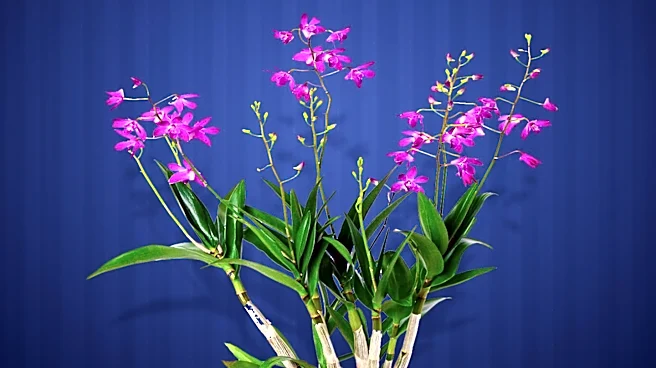
Scientists have issued a warning about the potential extinction risk facing many of Earth's flowering plants. According to recent research, approximately 21.2 percent of angiosperm evolutionary history is at risk, with about 3 percent of all known plant species
being both evolutionarily unique and globally endangered. This includes well-known plants like the vanilla orchid and the corpse flower, as well as lesser-known species such as the jellyfish tree and the Hondurodendron urceolatum tree. The study highlights the importance of protecting these plants to maintain the planet's rich ecosystems.
Why It's Important?
The potential extinction of these flowering plants poses a significant threat to global biodiversity and ecosystem stability. These plants are crucial for providing air, food, and maintaining ecological balance. The loss of such species could lead to a cascade of negative effects on other species, including humans, who rely on these plants for various resources. Conservation efforts are essential to preserve these unique species and the benefits they provide, such as potential medicinal discoveries and maintaining ecological diversity.
What's Next?
The study calls for increased conservation efforts and resource allocation to protect these endangered plant species. By prioritizing species with high EDGE scores, conservationists can focus on those most in need of protection. This approach aims to prevent the loss of irreplaceable species and ensure the continued benefits they provide to ecosystems and human society.
Beyond the Headlines
The research underscores the ethical responsibility to preserve the planet's biodiversity. The extinction of these plants would not only mean the loss of unique species but also the potential loss of future scientific and medical breakthroughs. The study advocates for a shift in conservation priorities to include plants, which have historically been underrepresented in conservation efforts.