





What's Happening?
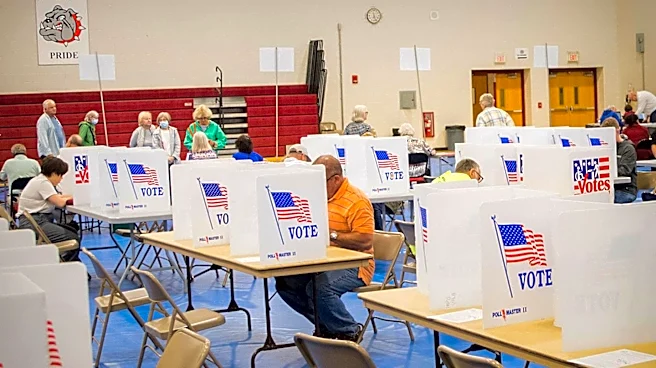
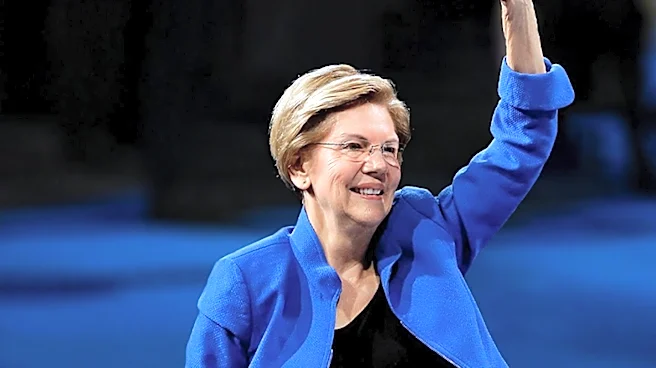
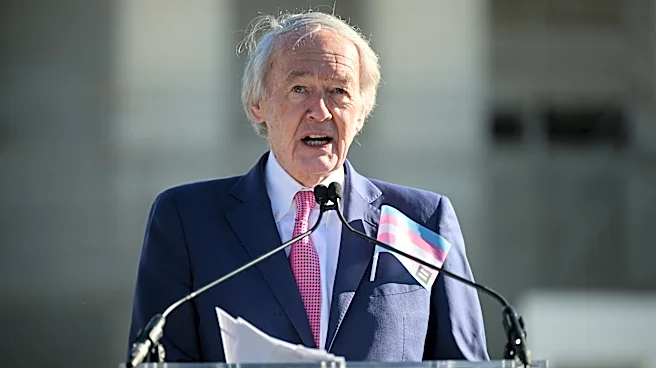
Massachusetts is holding its primary election today, with voters determining candidates for the November general election. A significant race to watch is the Democratic primary between incumbent U.S. Senator Ed Markey, 80, and U.S. Representative Seth
Moulton, 47. Moulton is advocating for generational change within the Democratic Party, questioning Markey's accomplishments during his long tenure in politics. Markey, seeking a third six-year term, has countered by highlighting Moulton's more moderate stances and his own legislative achievements, such as the 2022 climate bill. Beyond the Senate race, similar generational challenges are evident in other Democratic primaries. In the 8th Congressional District, Patrick Roath is challenging long-serving Representative Stephen Lynch, 71. In the 1st Congressional District, Jeromie Whalen, 39, is running against Representative Richard Neal, 77. Early voting has concluded, and mail-in ballots are now recommended to be dropped off at City or Town Halls rather than mailed. Polls are open from 7 a.m. to 8 p.m. statewide.
Why It's Important?
This primary election is crucial for the Democratic Party in Massachusetts, as it reflects a broader national sentiment for generational change within the party. The outcomes of these races could signal a shift in the party's direction and leadership. If younger challengers like Moulton, Roath, and Whalen succeed, it could empower a new wave of Democratic politicians with potentially different policy priorities and approaches. Conversely, if incumbents like Markey, Lynch, and Neal retain their seats, it would underscore the value placed on experience and established leadership within the party. The results will also indicate the effectiveness of arguments for and against 'wait-your-turn' politics. Given Massachusetts' heavily Democratic lean, the primary winners are highly likely to secure victory in the general election, making these internal party contests particularly impactful for the state's representation in Congress.
What's Next?
Following the close of polls at 8 p.m. today, election results will be tallied and made available, determining the Democratic and Republican nominees for the November general election. The winners of these primaries, particularly in the contested Democratic races, will then proceed to campaign for the general election. The deadline for general election voter registration is October 24, with the general election scheduled for November 3. The focus will shift to how the nominated candidates consolidate support within their respective parties and prepare to face their general election opponents. The outcomes will also be closely watched for any broader implications regarding the Democratic Party's future leadership and policy platforms, especially concerning the balance between experienced incumbents and calls for new blood.
Beyond the Headlines
The Massachusetts primary highlights a significant internal debate within the Democratic Party regarding age, experience, and the call for generational change. This dynamic is not unique to Massachusetts but is playing out in various forms across the U.S. The challenges to long-serving incumbents by younger, often more progressive, candidates reflect a desire among some voters for fresh perspectives and a more agile response to contemporary issues. The debate also touches on the role of 'establishment' politicians versus those advocating for a more radical shift. Furthermore, the discussion around Representative Moulton's past comments on transgender athletes, despite his subsequent apology, underscores the evolving social and cultural sensitivities that candidates must navigate, even within their own party. These internal party struggles can shape the ideological direction and public image of the Democratic Party for years to come.