





What's Happening?
Connecticut's transportation infrastructure projects are experiencing a mix of progress, setbacks, and significant cost overruns. While new train stations are being built in Windsor Locks and Enfield, and renovations are underway at Union Station in New
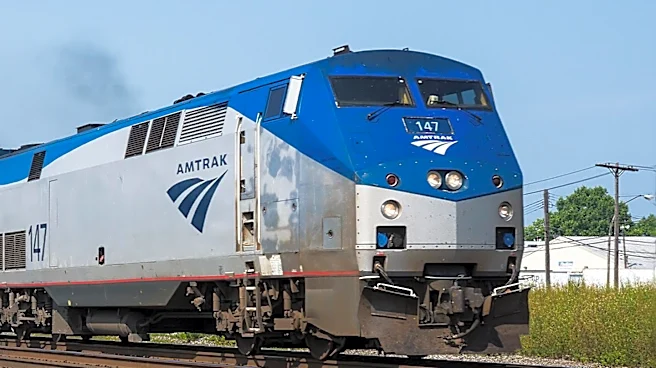
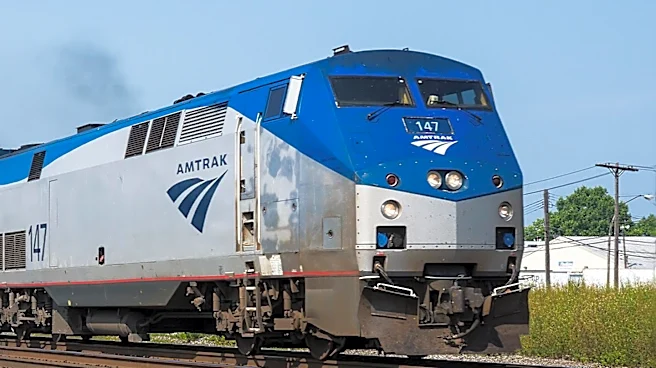
Haven, other major projects are facing delays. The Waterbury line remains closed until May 2027 for upgrades, and a $340 million investment over nine years is allocated for three miles of track between Bridgeport and Stratford, equating to $113 million per mile. The total budget for New Haven line speed enhancements is $1.6 billion over nine years. Despite a projected $209 million surplus in the Special Transportation Fund by FY2027, the state has implemented two fare hikes. Ridership on Metro-North has recovered to about 90% of pre-COVID levels, with strong on-time performance. However, Shore Line East service has not returned to pre-2020 numbers, and the state is reverting to diesel locomotives due to unwillingness to pay Amtrak for overhead wire usage. The $1 billion Walk rail bridge replacement in Norwalk, initially promised for 2029, is now expected to be completed by 2031.
Why It's Important?
These developments highlight the ongoing challenges in funding and executing large-scale infrastructure projects in Connecticut, impacting commuters and the state's economy. The significant per-mile cost for track upgrades between Bridgeport and Stratford, alongside the overall $1.6 billion for New Haven line enhancements, raises questions about fiscal efficiency and resource allocation. The reliance on fare hikes despite a projected surplus in the Special Transportation Fund could burden commuters, potentially affecting ridership growth. The shift back to diesel locomotives for Shore Line East service not only impacts environmental goals but also could deter riders who prefer electric service. Delays in critical projects like the Walk rail bridge replacement in Norwalk can lead to prolonged disruptions and increased costs, affecting regional connectivity and economic activity. The state's approach to 'studying' problems rather than implementing immediate solutions suggests a systemic issue in addressing long-standing transportation needs, which could have long-term implications for economic development and quality of life.
What's Next?
Connecticut commuters can anticipate the arrival of sixty new railcars from Alstom for testing later this year, which may improve service quality on some lines. However, the Waterbury line will remain closed until May 2027, requiring continued reliance on alternative transportation. The ongoing conflict between Amtrak and Metro-North could further complicate inter-state rail services and future infrastructure planning. The state's continued reliance on 'studies' for complex issues like the electrification of rail lines and the construction of new train stations (such as the West Hartford station, which is 30% designed but 0% funded) indicates that many promised improvements may not materialize in the near future. Lawmakers will face continued pressure to find sustainable funding mechanisms for transportation projects that do not solely rely on fare increases, while also addressing the environmental impact of reverting to diesel locomotives on certain lines.
Beyond the Headlines
The recurring theme of 'studies' replacing concrete action in Connecticut's transportation sector points to a deeper issue of political will and fiscal prioritization. This approach, where 'goals are sold as accomplishments,' can erode public trust and perpetuate a cycle of delayed or abandoned projects. The high cost per mile for track upgrades and the substantial overall budget for the New Haven line raise questions about the transparency and accountability of infrastructure spending. The environmental implications of reverting to diesel locomotives on Shore Line East, despite broader efforts towards sustainability, highlight a disconnect between policy goals and practical implementation. This situation could set a precedent for how other states manage their aging infrastructure, balancing immediate financial constraints with long-term environmental and economic objectives. The ongoing challenges underscore the complex interplay between state budgets, federal funding, environmental concerns, and the daily lives of commuters.