




What's Happening?
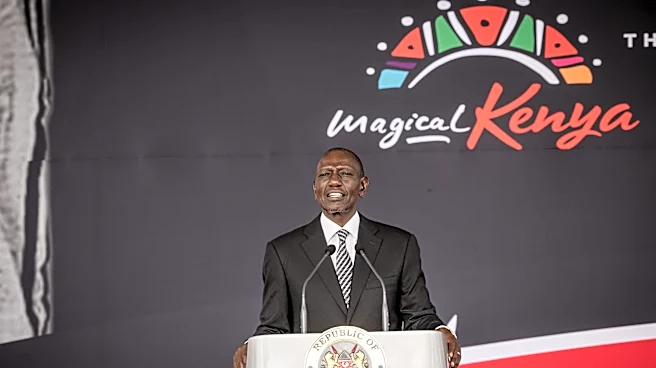
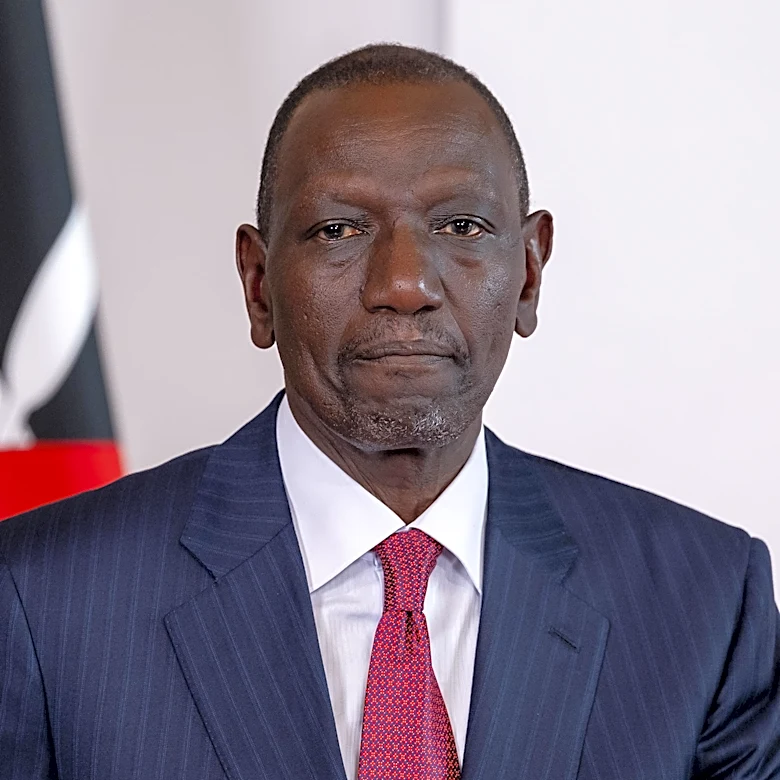
President William Ruto has announced a significant investment of an additional KSh 4 billion to support teacher promotions in Kenya. This funding is part of a broader initiative to boost career progression for educators, with 50,000 teachers slated for promotion in the
current financial year, marking the largest such exercise in a single year. The announcement was made during the Kenya Comprehensive School Heads Association (KESSHA) National AGM in Mombasa. President Ruto also confirmed the approval of new career progression guidelines, developed by the Teachers Service Commission (TSC) and teachers' unions, and sanctioned by the Salaries and Remuneration Commission. Furthermore, his administration has recruited 100,000 teachers over the past four years, with an additional 20,000 expected to join by December 2026, addressing a reported shortage of 116,000 teachers in 2022.
Why It's Important?
This substantial investment in teacher promotions and recruitment by President Ruto's administration is critical for the future of Kenya's education system and its broader socio-economic development. A well-supported and adequately staffed teaching workforce is fundamental to improving educational outcomes, which in turn impacts human capital development and economic productivity. For U.S. interests, a stronger education system in Kenya can contribute to a more stable and prosperous partner in East Africa, fostering an environment conducive to trade, investment, and regional security cooperation. The emphasis on preparing learners for an AI-shaped future also aligns with global trends and the need for a skilled workforce capable of adapting to technological advancements, which is a shared concern for both Kenya and its international partners, including the U.S. This initiative could also mitigate potential social unrest stemming from unemployment and lack of opportunity.
What's Next?
The immediate next steps involve the implementation of the KSh 4 billion allocation for teacher promotions and the recruitment of the additional 20,000 teachers by December 2026. The newly approved career progression guidelines will also be put into effect, potentially leading to a more structured and motivating career path for educators. President Ruto has challenged education stakeholders to focus on preparing students for a future influenced by artificial intelligence, suggesting a shift in curriculum and teaching methodologies. This will likely involve further discussions and policy development to integrate AI readiness into the national education framework. The long-term success of these initiatives will depend on sustained funding, effective implementation, and continuous evaluation of their impact on teacher morale, student performance, and the overall quality of education in Kenya.
Beyond the Headlines
Beyond the immediate benefits of teacher promotions and recruitment, President Ruto's emphasis on preparing learners for an AI-driven future highlights a deeper recognition of the evolving global economy. His statement, "The world will not pay our children for what they know. It will pay them for what they can do with what they know," underscores a paradigm shift from rote learning to skills-based education. This philosophical change has profound implications for curriculum design, teacher training, and educational technology adoption. It suggests a move towards fostering critical thinking, problem-solving, and adaptability, which are essential skills in a rapidly changing technological landscape. This forward-looking approach could position Kenya as a leader in educational innovation in Africa, potentially attracting international partnerships and investments in its human capital development, aligning with broader U.S. foreign policy goals of supporting sustainable development and innovation in partner nations.