








What's Happening?
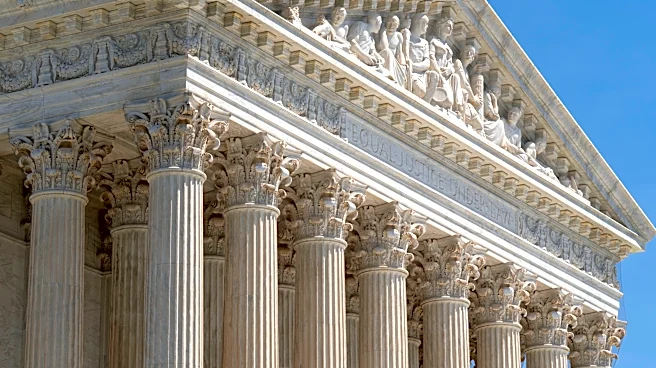
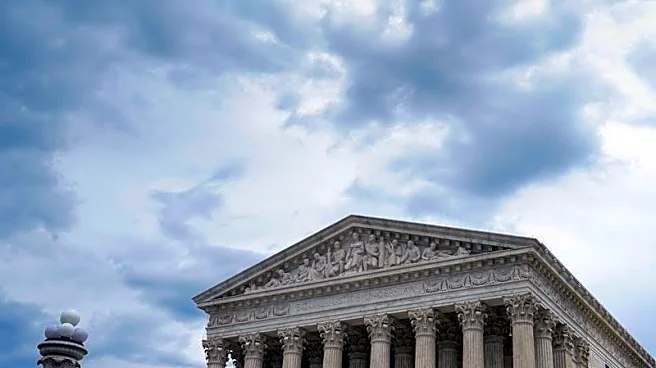
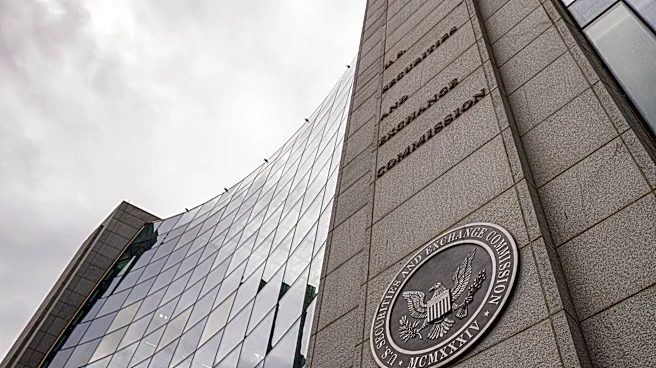
The U.S. Supreme Court has decided not to review the constitutionality of a Securities and Exchange Commission (SEC) policy known as the 'gag rule', which was rescinded earlier this year. This rule, in place since 1972, required individuals and companies
settling enforcement cases with the SEC to refrain from publicly criticizing or contesting the agency's claims. The case was brought by Thomas Powell, who was accused by the SEC in 2021 of making misrepresentations in unregistered oil and gas securities offerings. Powell settled the case with a $75,000 penalty and agreed not to deny the SEC's allegations publicly. His attorneys argued that the gag rule amounted to censorship and violated First Amendment rights. Despite the SEC's recent decision to rescind the rule, critics, including Powell's legal team, expressed concerns that a future administration could easily reinstate it.
Why It's Important?
The Supreme Court's refusal to hear the case leaves the door open for potential reinstatement of the gag rule by future administrations, raising concerns about the balance between regulatory enforcement and free speech rights. The rule has been criticized for stifling public discourse and preventing individuals from defending themselves against government allegations. The decision not to review the case means that the constitutional questions surrounding the gag rule remain unresolved, potentially impacting how regulatory agencies enforce compliance and how individuals and companies can respond to such enforcement actions. This development is significant for the financial industry and legal community, as it underscores ongoing debates about the limits of regulatory authority and the protection of constitutional rights.
What's Next?
While the SEC has rescinded the gag rule, the possibility of its reinstatement remains a concern for critics. Legal and regulatory experts may continue to advocate for legislative or judicial clarification to prevent future administrations from easily reviving the rule. The case highlights the need for ongoing scrutiny of regulatory practices and their alignment with constitutional protections. Stakeholders in the financial and legal sectors may push for more transparent and fair enforcement mechanisms that respect free speech rights while maintaining regulatory integrity.