



What's Happening?
A Georgia O'Keeffe painting, which had been stored in a New York City apartment closet since the mid-1980s, is now set to be auctioned by Christie's. The artwork, depicting Lobo Peak near Taos, New Mexico, is estimated to be valued between $3 million
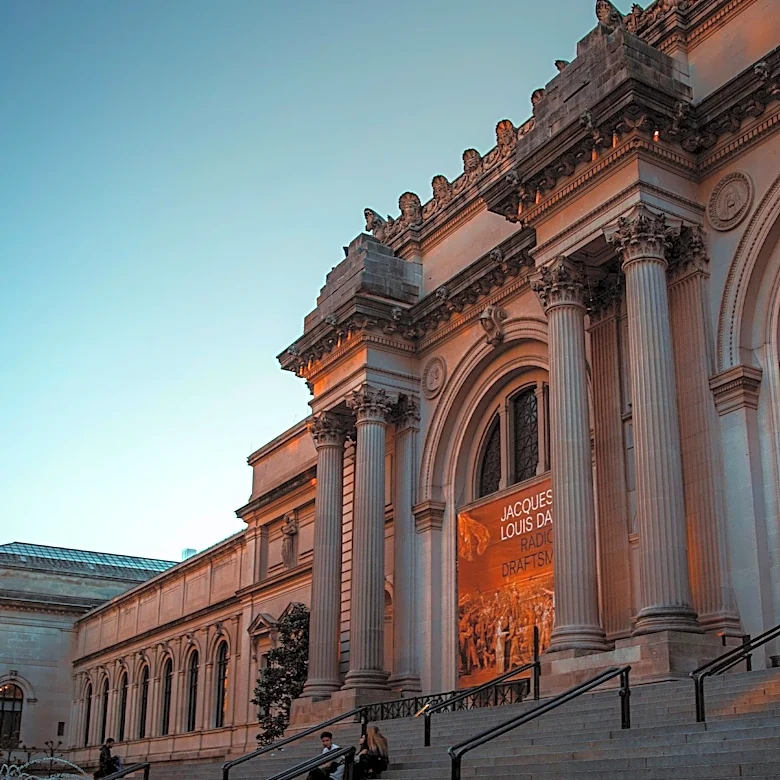
and $5 million. The painting, created in 1930, is believed to be the first in a series of three, with the other two residing in the Metropolitan Museum of Art and the Rockefeller family collection. Its whereabouts had largely been unknown until recently. The painting was originally sold in 1963 for $3,800 to a woman who later gave it to her daughter as a graduation gift. The daughter displayed it for years before placing it in storage after a guest showed excessive interest. The painting was rediscovered this year during an apartment clean-out, and its authenticity was confirmed by O'Keeffe's signature marking on the back.
Why It's Important?
The discovery and upcoming auction of this Georgia O'Keeffe painting hold significant importance for the art world and collectors. O'Keeffe, often referred to as the 'Mother of American modernism,' is renowned for her unique abstract art, particularly her Southwestern landscapes. This specific painting is considered 'particularly important' due to its early date and its representation of O'Keeffe's initial engagement with the American Southwest, a period that profoundly influenced her artistic development. The re-emergence of a previously 'lost' work by such a prominent artist can reshape scholarly understanding of her oeuvre and market value. For collectors, it represents a rare opportunity to acquire a piece with a compelling backstory and historical significance, potentially driving intense bidding and setting new benchmarks for O'Keeffe's early works. The event also highlights the potential for valuable art to remain hidden in private collections for decades, underscoring the ongoing thrill of discovery in the art market.
What's Next?
The Georgia O'Keeffe painting is scheduled to go up for auction on Tuesday at Christie's. The auction house anticipates significant interest given the painting's provenance and the artist's stature. Following the auction, the painting will likely enter a new private or institutional collection, potentially becoming accessible for public viewing or further academic study. The sale's outcome will also provide a current market valuation for O'Keeffe's early works, influencing future appraisals and sales of similar pieces. The family who owned the painting has requested anonymity, and it is expected that they will remain private following the sale. The event may also inspire other individuals to re-examine their own private collections for hidden artistic treasures, potentially leading to further discoveries in the art market.
Beyond the Headlines
The story of the rediscovered O'Keeffe painting touches upon several deeper implications beyond its immediate market value. It underscores the often-unpredictable journey of art through private hands, where significant works can remain out of public view for generations. The decision by the previous owner to store the painting after a guest's intense interest highlights the complex relationship between private ownership, security, and the public's access to cultural heritage. Ethically, it raises questions about the responsibility of art owners to preserve and potentially share culturally significant works. The painting's re-entry into the public sphere through auction also reflects the ongoing commercialization of art, where historical and aesthetic value are often intertwined with financial worth. This narrative contributes to the romanticized notion of 'hidden treasures' and the enduring allure of art history's untold stories.