



What's Happening?
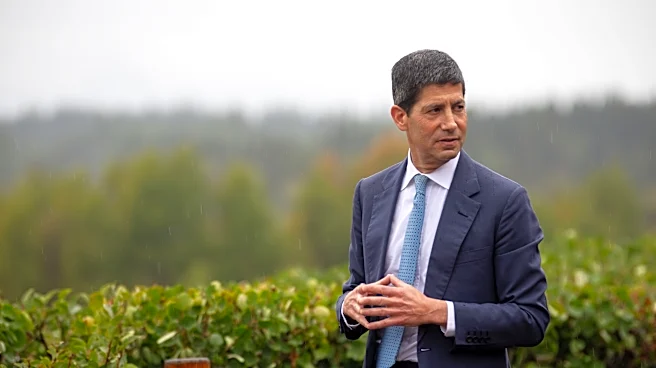
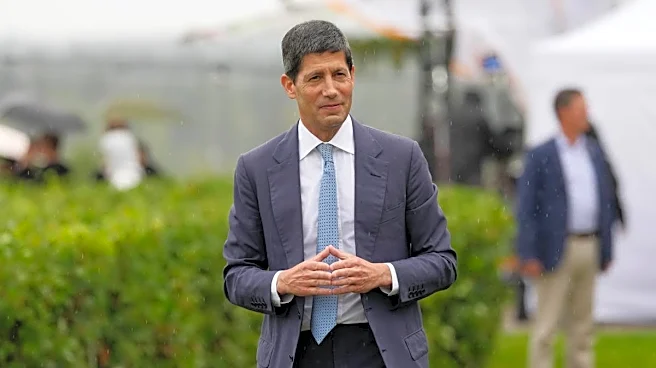
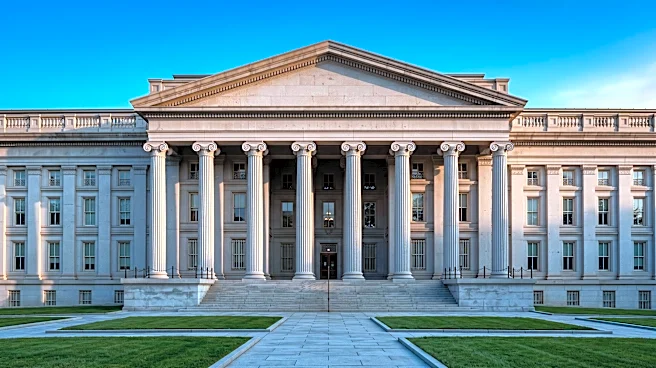
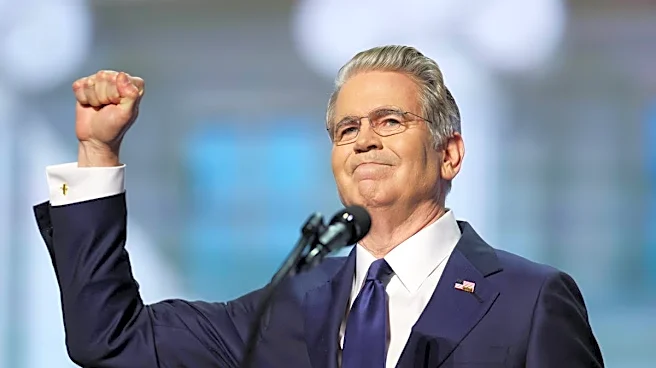
U.S. Treasury Secretary Scott Bessent is scheduled to appear before the House Financial Services Committee for his annual testimony. During this appearance, Secretary Bessent is expected to highlight the success of the ongoing economic campaign against
Iran and report on rising wages for lower-income Americans. However, he is also anticipated to face rigorous questioning from Democrats regarding various economic issues, including inflation, escalating energy prices, interest rates, and the burgeoning federal debt. Oil prices have recently surpassed $100 a barrel due to the renewed conflict in Iran, leading to an increase in U.S. gas prices to an average of $4.32 per gallon, a significant rise from the previous year. Diesel costs have also seen a substantial increase. Secretary Bessent has been a vocal proponent of the economic measures against Iran, with his department intensifying sanctions on Iran and financial institutions facilitating its business. The testimony is formally part of Congress's oversight of the International Monetary Fund, an organization Bessent has criticized for 'mission creep,' advocating for American interests to be prioritized.
Why It's Important?
Secretary Bessent's testimony is crucial as it provides a platform for Congress to scrutinize the administration's economic policies and their impact on the U.S. economy. The discussion around inflation, energy prices, and interest rates directly affects American consumers and businesses. Rising gas and diesel prices, driven by international conflicts, can lead to increased operational costs for businesses and reduced purchasing power for households. The national debt, which has exceeded $40 trillion, is another critical concern, as its growth, coupled with artificial intelligence spending and oil price surges, increases funding costs for government debt. This, in turn, can make consumer debt more expensive, impacting mortgage rates and overall affordability. The administration's focus on affordability will be challenged against a backdrop of rising mortgage rates. The testimony will also shed light on the U.S. strategy regarding economic sanctions against Iran and its broader implications for global financial stability and U.S. foreign policy objectives.
What's Next?
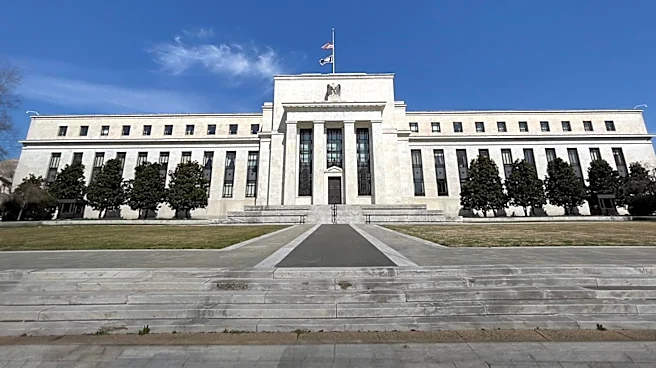
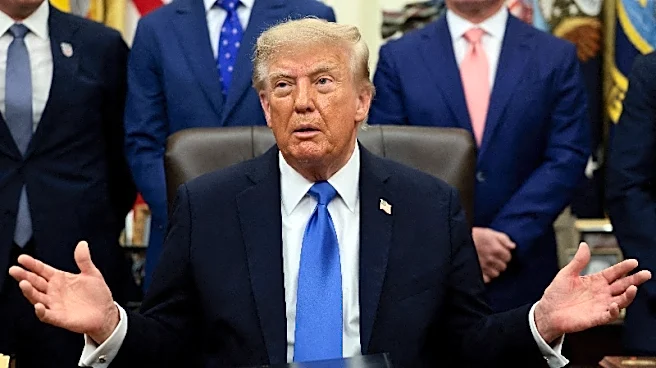
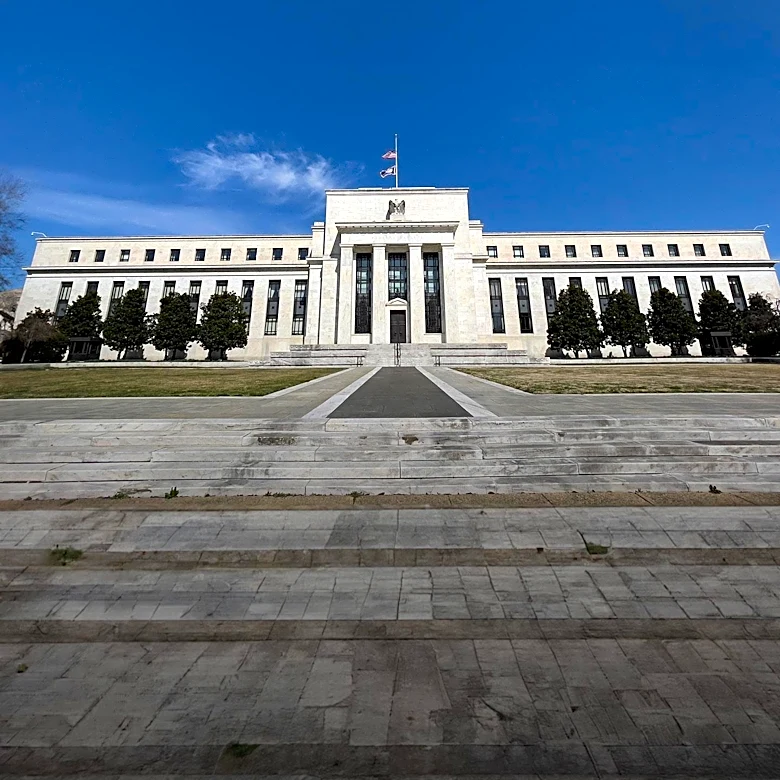
During his testimony, Secretary Bessent is expected to face questions regarding the pressure President Trump is reportedly exerting on Federal Reserve Chairman Kevin Warsh concerning interest rates. With the consumer price index up 3.4% from a year ago, investors are anticipating rate hikes, while President Trump has advocated for rate cuts. Bessent, a long-time associate of Warsh, meets weekly with the Fed's top official, suggesting potential insights into the administration's monetary policy stance. The outcome of these discussions could influence future economic policies, including decisions on interest rates, which have significant implications for borrowing costs, investment, and economic growth. The testimony will also likely set the stage for further debates on fiscal responsibility, the national debt, and the effectiveness of the U.S.'s economic isolation campaign against Iran. Stakeholders, including financial markets, businesses, and consumers, will closely monitor the proceedings for indications of future economic direction.
Beyond the Headlines
The testimony extends beyond immediate economic indicators, touching upon the ethical and strategic dimensions of U.S. foreign policy and its economic tools. The 'Operation Economic Outcast' campaign, aimed at severing Iran's financial lifelines, signifies a broader shift in how the U.S. leverages its economic power to achieve geopolitical objectives. This strategy not only targets Iranian entities but also threatens foreign companies and financial institutions with exclusion from the U.S. market if they continue dealings with Tehran. This approach raises questions about the extraterritorial reach of U.S. sanctions and their potential impact on international trade and financial systems. The ongoing debate about the national debt and the administration's fiscal track record also highlights a deeper concern about intergenerational equity and the long-term sustainability of government spending. The interplay between political pressure on the Federal Reserve and its independent mandate to manage inflation and employment will also be a critical underlying theme, reflecting the delicate balance between political influence and economic stability.